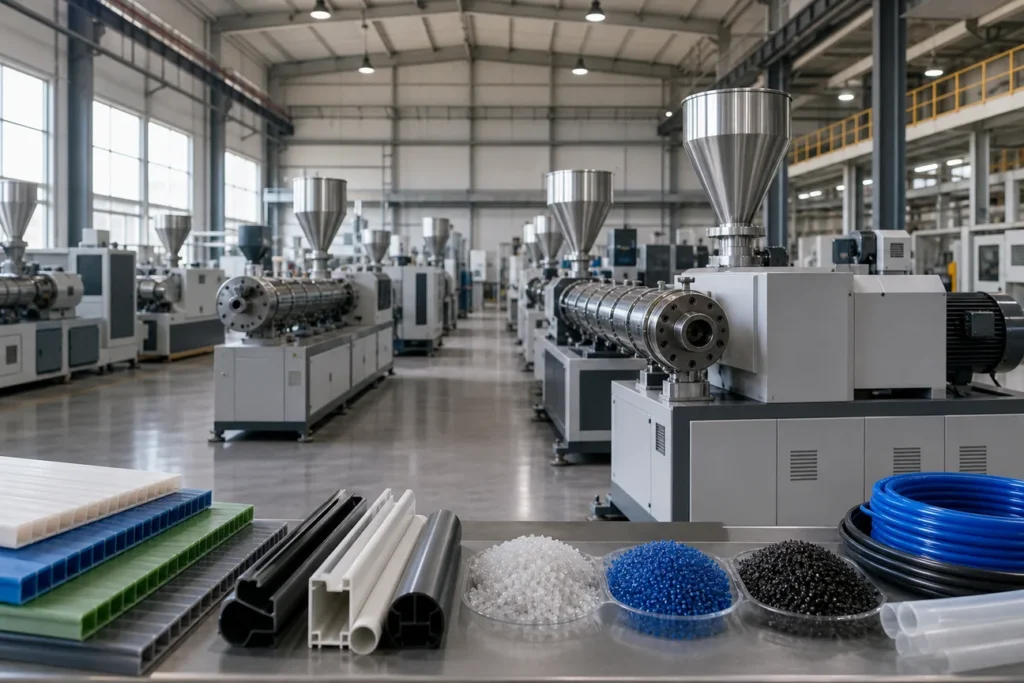
Choosing the right extruder can feel like hunting for a needle in a haystack of specs and hidden costs. You need clear price points, capacity data and a machine that fits your process. Here’s a short‑list of ten options, each with the details that matter.
1. Plastivo Extrusions (Our Top Pick) , Leading price‑performance for Indian markets
Plastivo Extrusions builds both single and twin‑screw machines on the same platform, so you can start small and grow without swapping equipment. The line ships from Vatva, Gujarat and is already in use across Gujarat, Kerala, Tamil Nadu, as well as Kenya, Nigeria and the UAE. It covers a wide L/D ratio range and offers nitrided screw barrels for longer wear life.
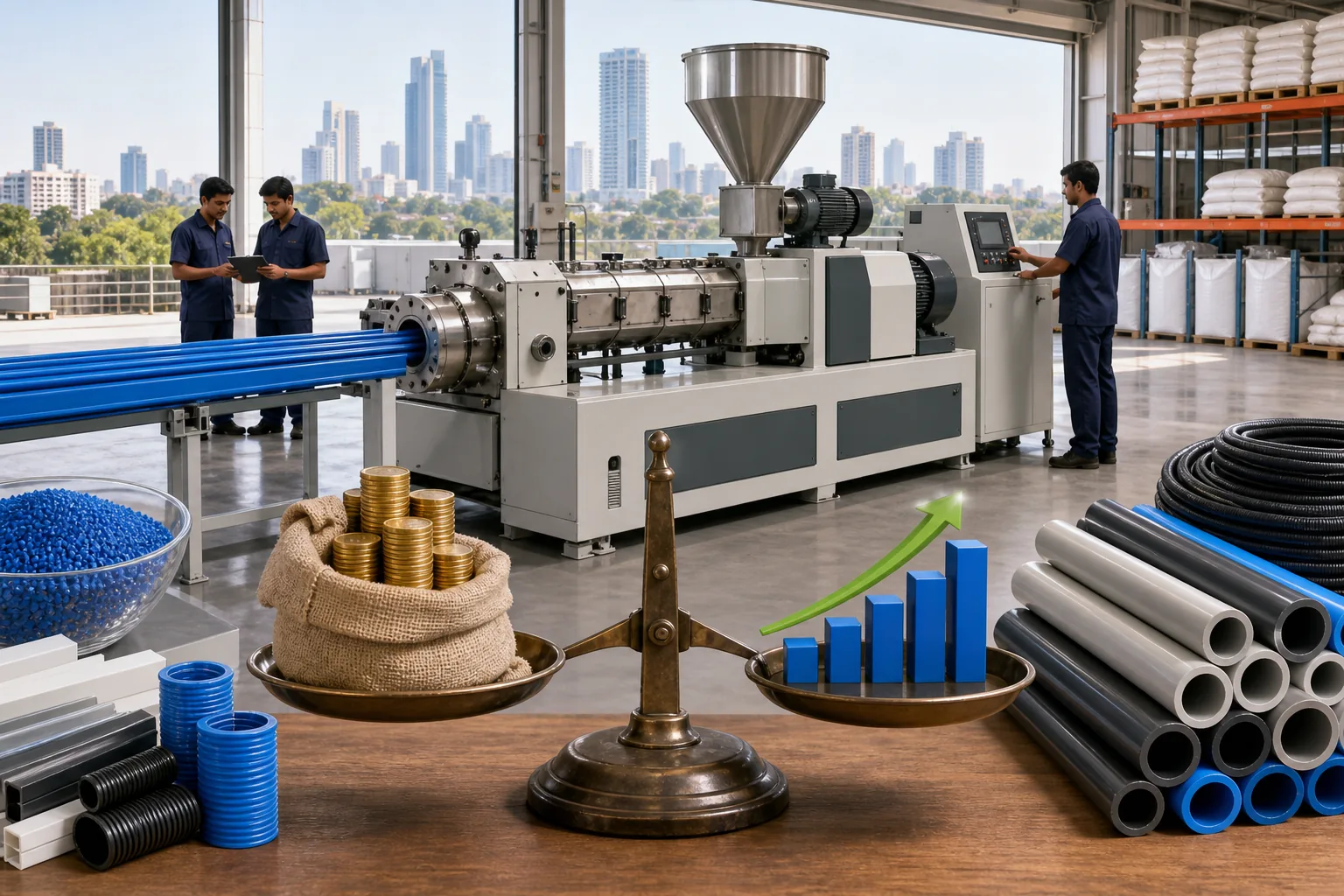
Because the company publishes a clear price sheet, buyers avoid the typical opacity that 60 % of competitors hide. The dual‑type offering also fills the market gap where single‑screw options are scarce.
The only caveat is that custom‑engineered options can push lead times out to 12 weeks, which is common for high‑precision gearboxes.
2. Brabender , Compact single‑screw extruder for pilot runs
Brabender’s single‑screw extruder model packs a 16 kW drive into a footprint that fits a standard lab bench. It features a 40:1 L/D ratio, 450 °C melt zone and a touch‑panel for quick recipe tweaks.
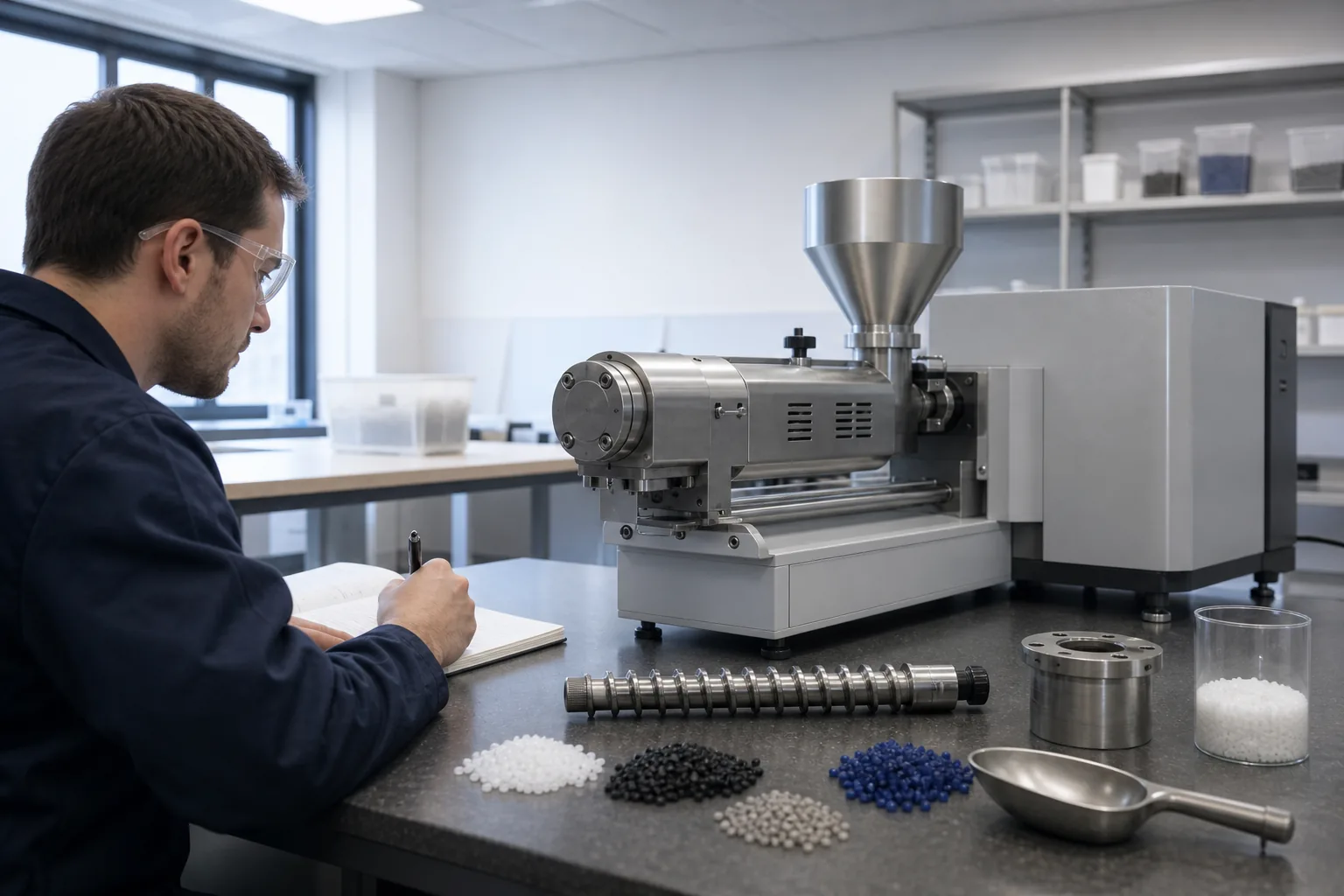
It’s ideal for R&D teams that need to test new compounds before scaling. The machine’s screw geometry handles high screw speeds, giving fast melt turnover.
At the same time, the pre‑owned market often lists it above $200 k, so budgeting must account for refurbishment.
The unit does not include a screw, so you’ll need to order one that matches your polymer’s viscosity.
3. Coperion ZSK 58 Mc¹⁸ , High‑torque twin‑screw for engineering plastics
The ZSK Mc¹⁸ delivers 18 Nm/cm³ specific torque, which lifts throughput by up to 100 % for high‑viscosity grades like PA, PC and glass‑fiber reinforced compounds. Its 1.55 Do/Di ratio balances shear and residence time, giving stable melt quality.
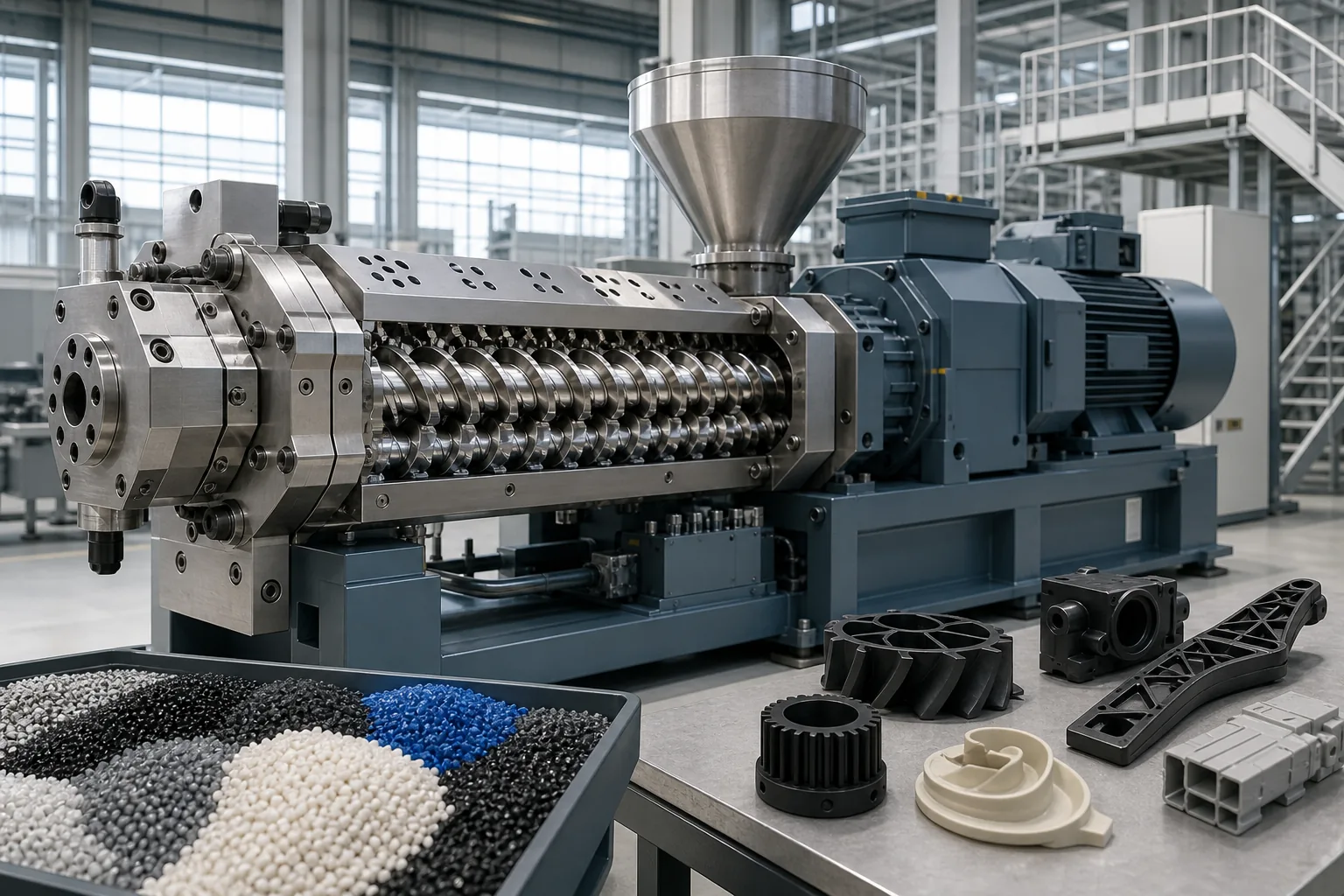
Coperion’s global service network means you’ll get spare‑parts within 48 hours in most regions, a real advantage for continuous lines.
One limitation is the premium price; the machine targets large‑scale producers rather than small workshops.
Extrusion is a process that pushes polymer through a heated barrel and shapes it via a die, a principle explained in Wikipedia.
4. KraussMaffei ZE BluePower , Versatile twin‑screw for compounding and recycling
KraussMaffei’s ZE BluePower offers a 1.65 Da/Di torque density, which helps when you blend low‑bulk‑density fillers or masterbatch concentrates. The machine’s modular screw design lets you swap elements in under an hour.
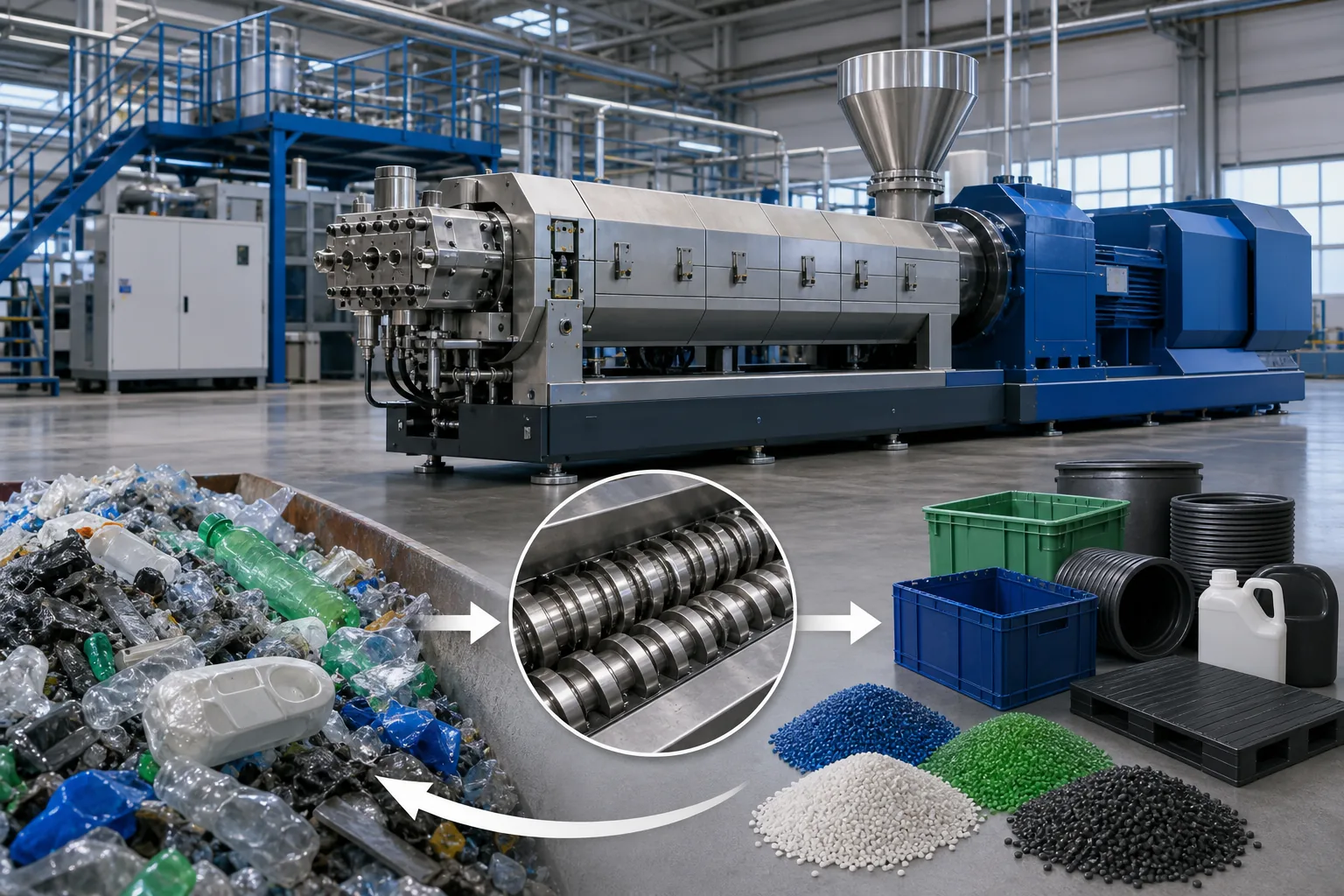
It’s been used in recent chemical‑recycling projects in Europe, showing strong free‑volume performance for mixed‑plastic streams.
Maintenance can be more involved because the high‑torque gearbox requires skilled technicians.
5. Leistritz ZSE 18 MAXX , Pilot‑scale twin‑screw for pharma & R&D
The ZSE 18 MAXX handles up to 40 kg/h, making it a solid bridge between bench‑scale labs and full‑production lines. Its high OD/ID of 1.66 gives excellent heat transfer while keeping energy use low.
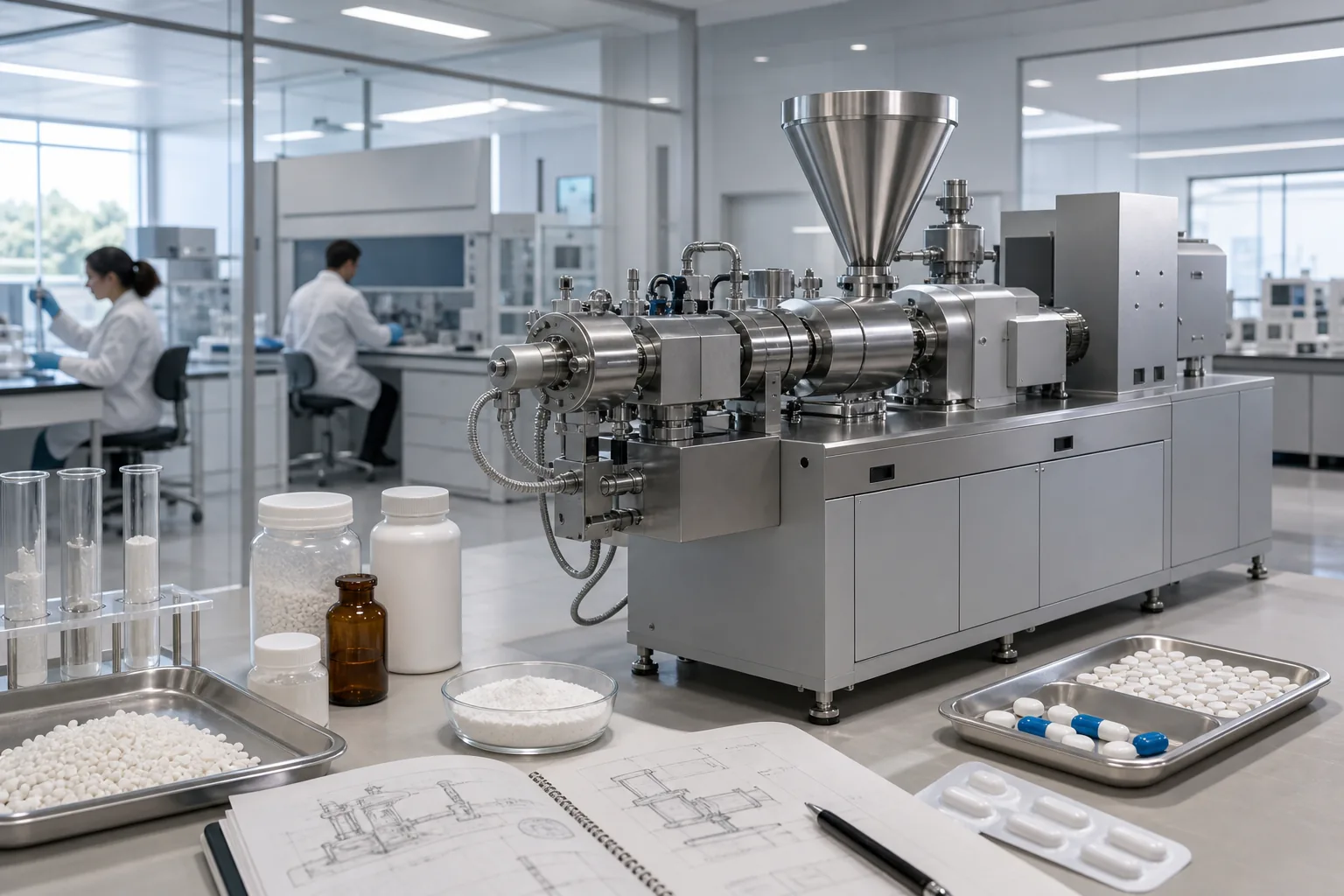
Leistritz equips the line with an advanced HMI, which logs torque, temperature and screw speed for predictive maintenance.
The system’s price is on request, and customization can add weeks to delivery.
6. Bühler POLYtwin , Integrated twin‑screw line for food and feed
Bühler’s POLYtwin family covers everything from a two‑stage pre‑conditioner to a patented ejection unit that saves downtime during screw changes. The line processes breakfast cereals, pet food and aqua feed at high throughput rates.
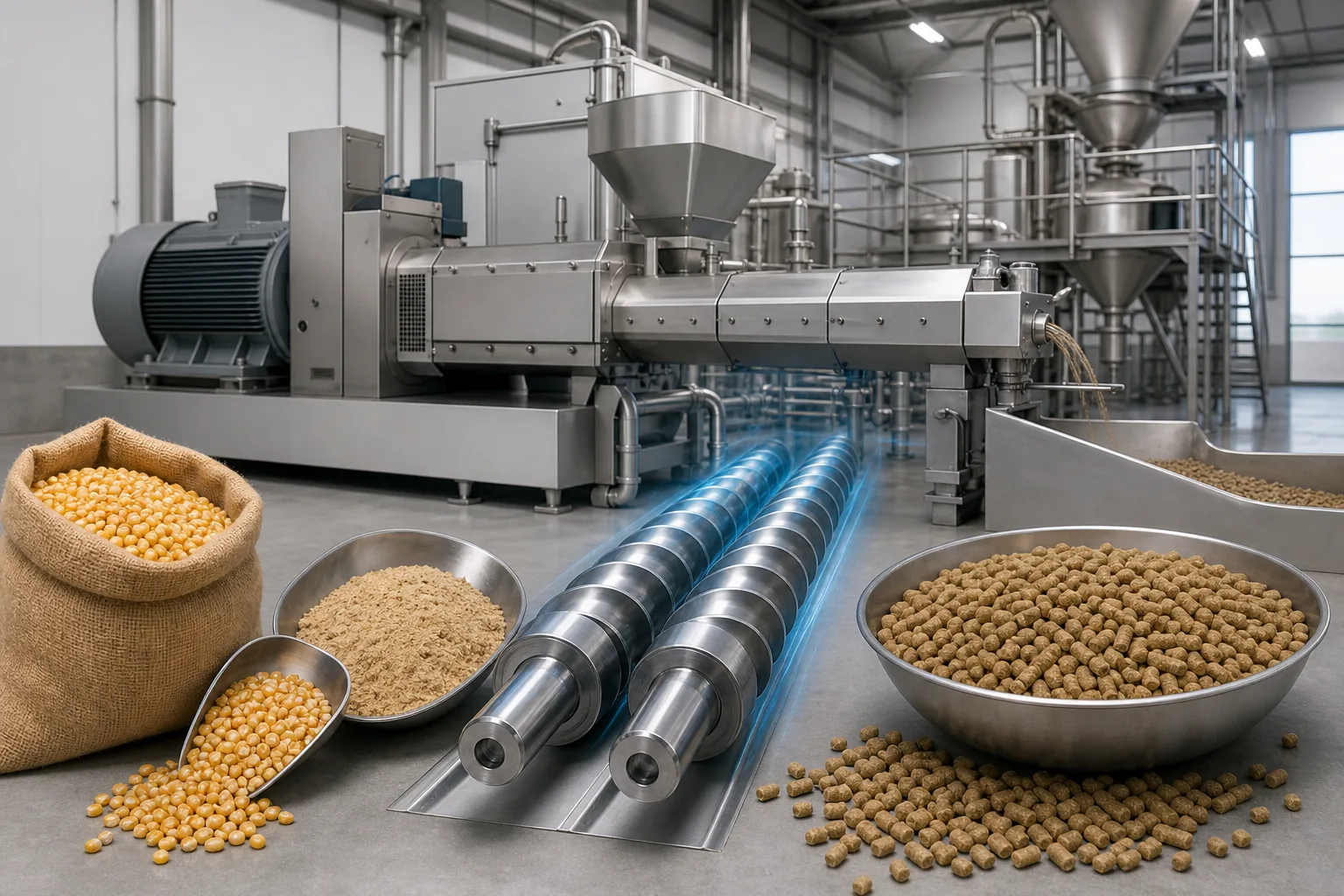
Because the system is built for 24/7 operation, it includes a self‑cleaning barrel design that meets food‑grade hygiene standards.
One downside is the higher capital outlay; the package is best for producers scaling beyond 200 t/yr.
Modern extrusion lines can significantly reduce waste when paired with efficient recycling loops.
7. Bausano MD Nextmover , Italian twin‑screw for PVC pipe and medical tubing
Bausano’s MD Nextmover series uses a Multidrive transmission and induction heating, cutting energy consumption by up to 35 %. The machines handle pipe diameters from 30 mm to 200 mm, with precise temperature control across five zones.
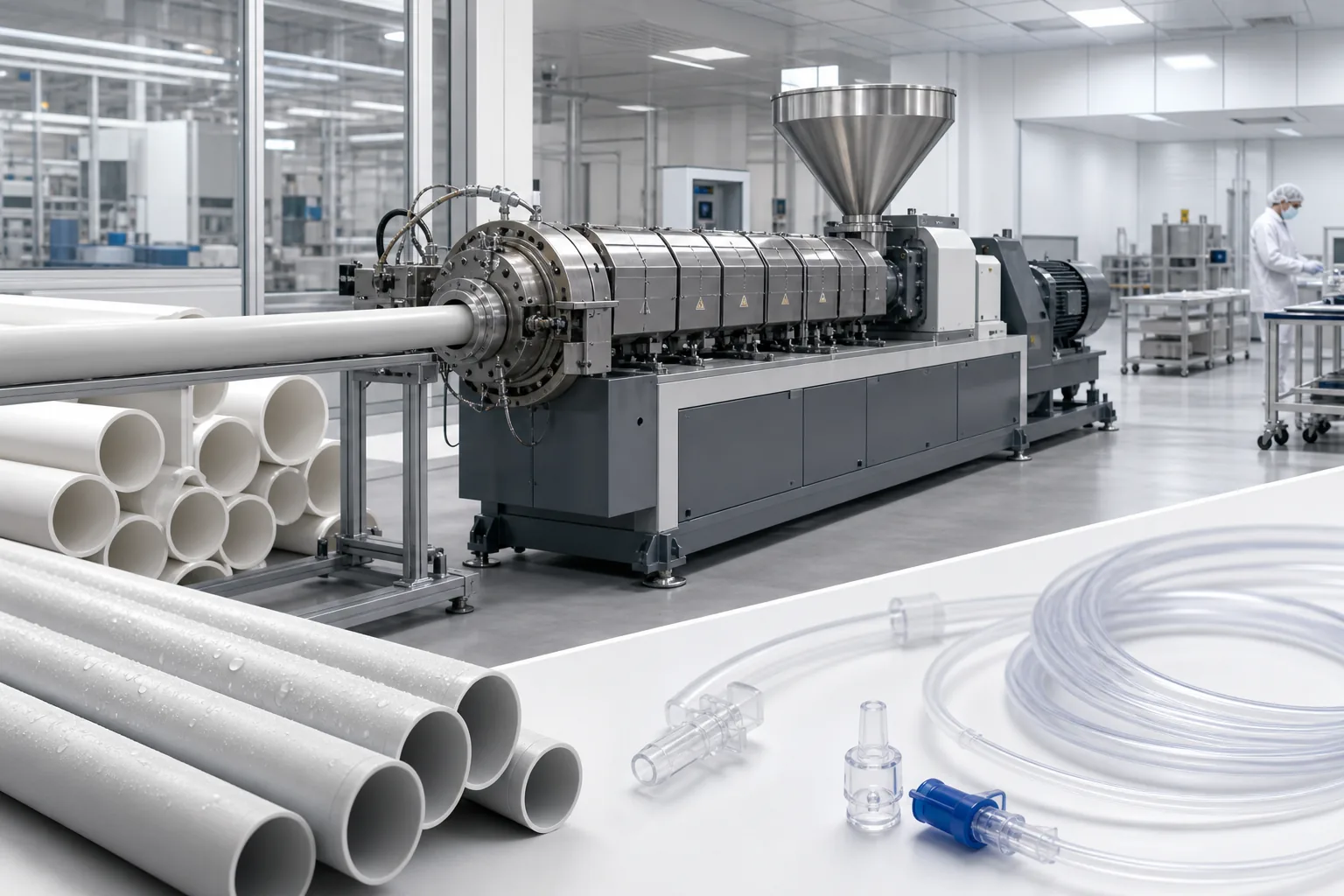
North‑American dealer support in Oswego, IL and Houston, TX makes spare‑part logistics smooth for overseas buyers.
Because the design is counter‑rotating, it excels at gentle PVC melt handling, but it may not suit high‑shear applications like polycarbonate compounding.
8. JSW TEX-αⅢ , Japanese‑grade precision twin‑screw for high‑performance polymers
JSW’s TEX‑αⅢ reaches a specific torque of 18.2 Nm/cm³, rivaling the best German platforms. The screw range runs from 26.5 mm to 443 mm, letting you size the line for anything from specialty alloys to reactive extrusion.
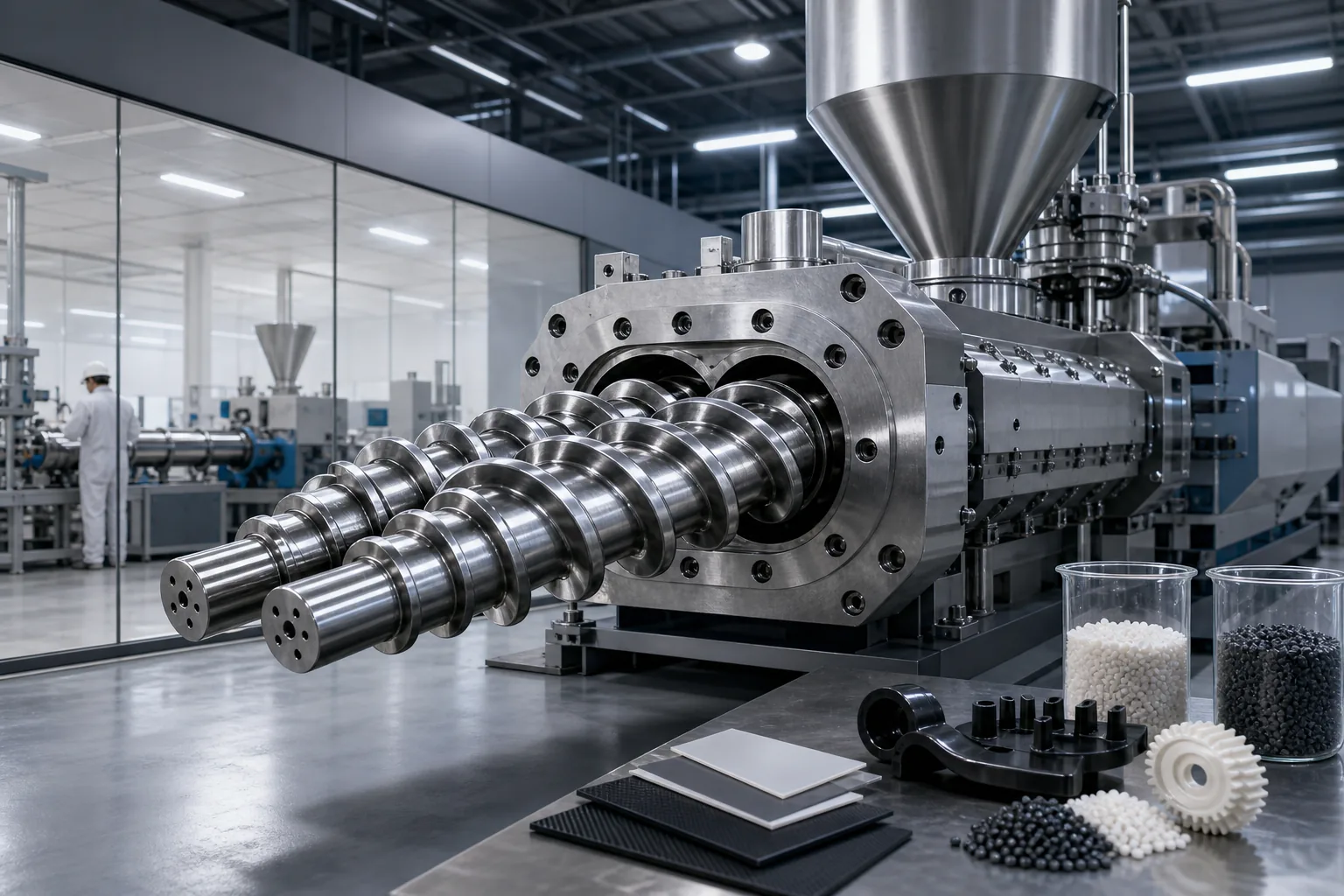
Its controller offers multi‑touch operation and an assist mode that starts strand production with one tap, reducing setup time.
The main trade‑off is that the machine is made to order, so lead times can stretch beyond six months.
How to Choose the Right Extruder
- Define the material family (PVC, engineering plastics, food, pharma).
- Match required throughput (kg/h) to screw diameter and torque.
- Check for available service hubs in your region.
- Ask for a clear price quote that includes spare‑parts and training.
- Consider future scaling , a dual‑type line can save a later purchase.
What is an extruder machine price?
It’s the total cost you pay for the hardware, controls and any optional accessories such as feeders or cooling systems.
How much does a twin‑screw extruder cost?
Prices range widely; basic models start around $30 k, while high‑torque, large‑diameter units can exceed $200 k.
Do I need a separate die for each product?
Yes, the die geometry determines the final shape, so budgeting for multiple dies is common.
What maintenance costs should I expect?
Regular barrel and screw wear, plus occasional gearbox oil changes, typically run 2‑5 % of the purchase price per year.
Is financing available for extrusion equipment?
Many manufacturers, including Plastivo, work with leasing partners to spread the cost over 3‑5 years.
Ready to upgrade your line? Visit Plastivo’s catalogue and request a quote today.