Uncategorized

HDPE Pipe Making Machine Price in India

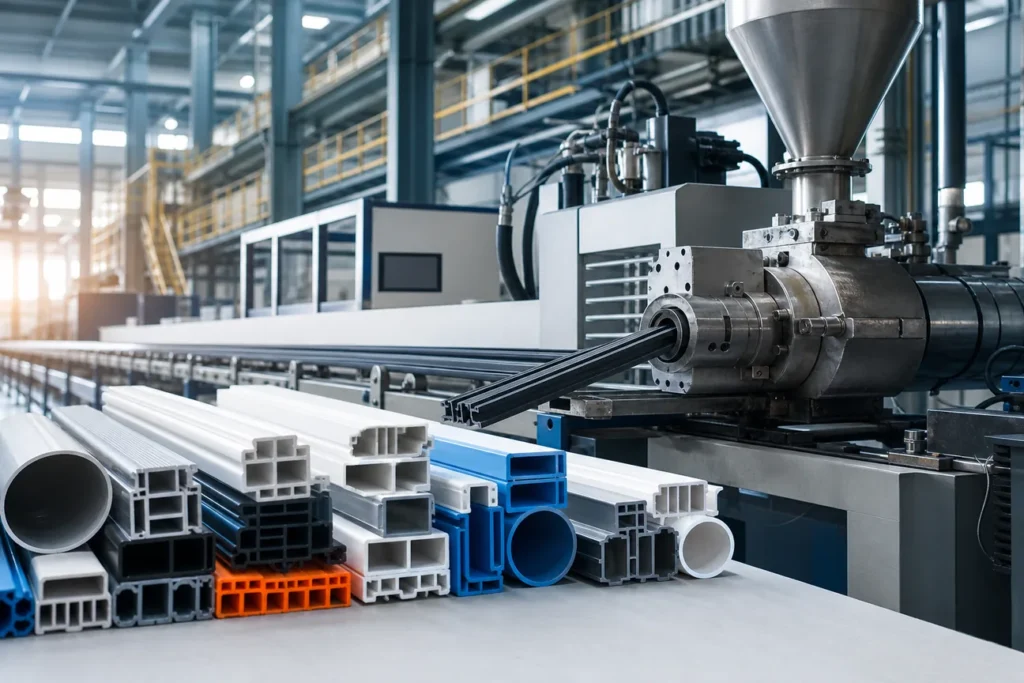
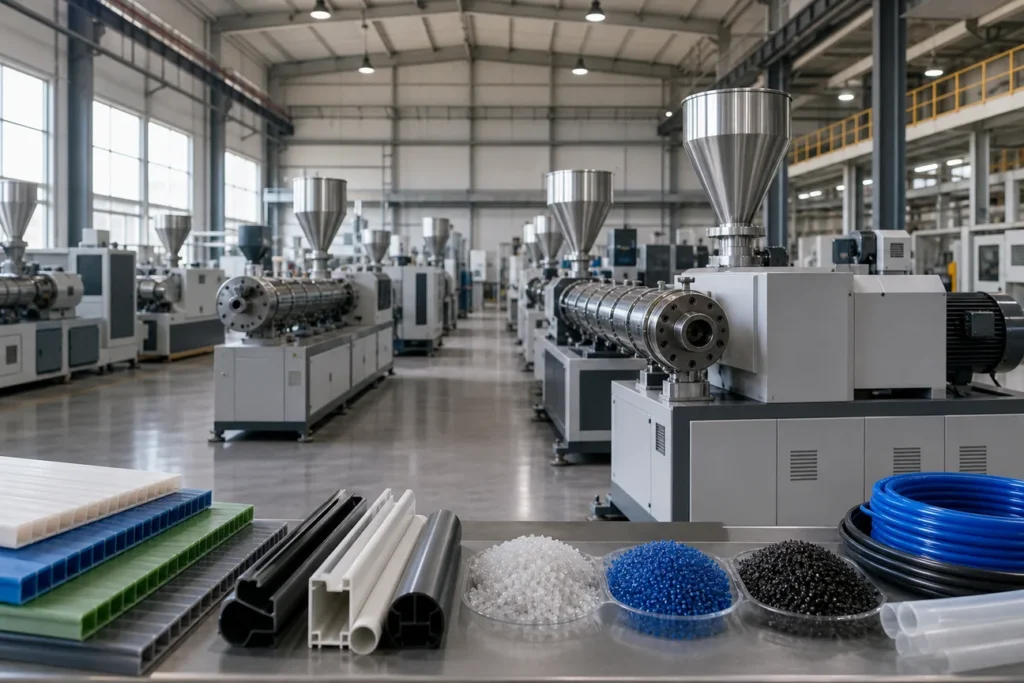
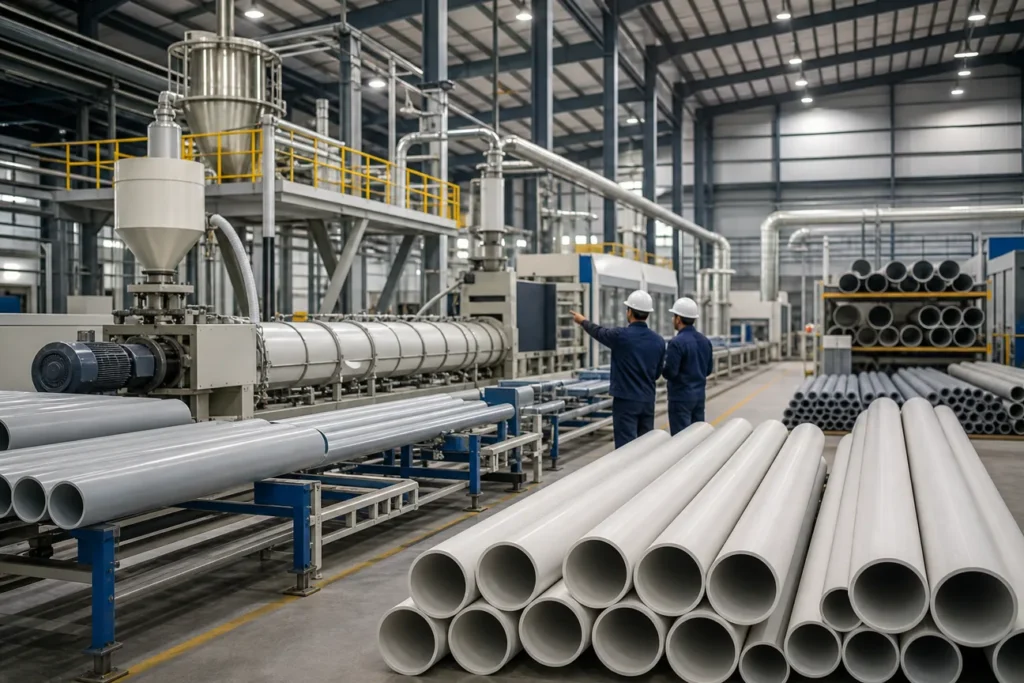
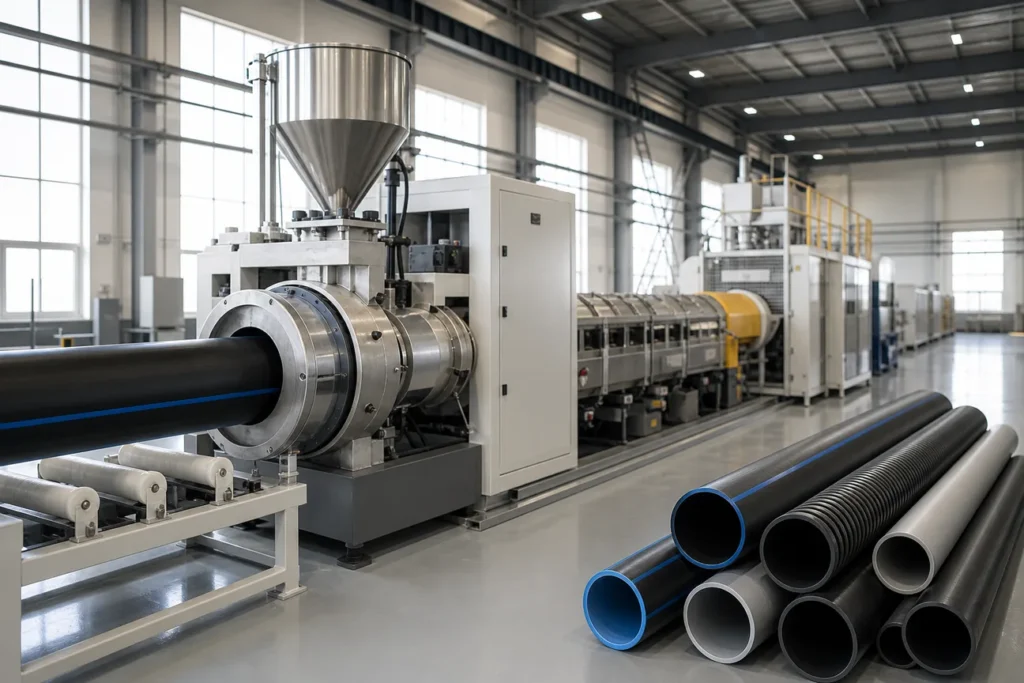
Ahmedabad, Gujarat GST No.-24AAVHA8297E1ZU +91 98982 41416Linkedin-in Instagram Whatsapp Home About us ☰ Our Product Auxiliary Equipment Extruders Pipe Making Machine Plastic Recycling Machine Screw Barrel Blogs Contact us Home About us ☰ Our Product Auxiliary Equipment Extruders Pipe Making Machine Plastic Recycling Machine Screw Barrel Blogs Contact us Request Appointment HDPE Pipe Making Machine Price in India: What Affects the Cost in 2026? So you’re planning to invest in an HDPE pipe-making machine. First question that comes to mind — what’s the price? Fair enough. Everyone asks that. But there isn’t one fixed number. Because what you are actually paying for depends on multiple technical and practical factors. Two machines may look similar from the outside. Inside, they can be completely different. At Plastivo Extrusions, we often see buyers focusing only on the lowest quotation. Later, they realise the smarter question is not “What is the cheapest option?” but “What gives stable production for years?” Let’s look at what really affects pricing. Capacity Changes the Equation Production capacity plays a major role. If you plan to manufacture small-diameter pipes in moderate quantities, the investment will be lower. But if your goal is large diameter, high-pressure pipes with heavy hourly output, the entire extrusion line becomes bigger and stronger. Higher capacity means: Bigger extruder size Higher motor power Heavy-duty gearbox Larger cooling system Stronger haul-off mechanism All of this increases the cost. But it also increases revenue potential. Buying more capacity than required is also not ideal. Underutilised machines slow down return on investment. The Extruder – Where Quality Is Decided In HDPE pipe production, melt consistency is everything. If the screw design is average, you’ll see thickness variation and unstable pressure. Rejection rate increases quietly. A well-designed screw and barrel system improves: Melting efficiency Pressure stability Output consistency Power usage control Better metallurgy and precision machining raise the initial price. But they reduce long-term maintenance problems. You don’t see the screw from the outside. But it decides your production stability. Automation – Cost vs Convenience Some manufacturers still prefer basic systems with manual monitoring. Lower investment. More operator involvement. Others prefer PLC-based panels, touchscreen controls and synchronised speed systems. That increases cost. Automation helps in: Reducing human error Maintaining uniform pipe thickness Managing temperature automatically Improving production consistency In 2026, labour dependency has become a real concern. Automation reduces daily stress inside the plant. Yes, it adds to the price. But it also simplifies operations. Cooling and Calibration – Often Overlooked After extrusion, pipes must maintain shape and roundness. That depends heavily on vacuum calibration and cooling systems. If cooling is unstable, pipes may develop: Oval shape Surface unevenness Wall thickness variation High-quality stainless steel tanks, proper vacuum pumps and efficient water circulation increase the machine cost slightly. But they reduce rejection and improve finishing. This is one area where cutting costs can hurt quality. Haul-Off, Cutting and Finishing Pulling speed must match extrusion speed. If it fluctuates, thickness changes along the pipe length. Upgraded haul-off systems provide stable traction. Advanced cutting units give cleaner edges and less wastage. Basic systems cost less. Better systems improve daily smoothness. Small components. Big impact. Power Consumption – The Hidden Factor Electricity is a continuous expense. Especially in long production shifts. Energy-efficient motors and drives may increase initial cost slightly. But they offer: Lower monthly power bills Stable performance Reduced overheating   Longer equipment life Over five years, operating cost matters more than purchase price. Many buyers ignore this calculation. Service and Support This is rarely discussed during price comparison. Ask yourself: Are spare parts easily available? Is installation support included? Will technical guidance be available during startup? If the machine stops and support is delayed, production loss begins immediately. Sometimes paying slightly more for reliable after-sales service makes a big difference. Market Scenario in 2026 Infrastructure projects across India are expanding. Water supply networks, gas distribution lines, irrigation systems, and urban development are all pushing HDPE pipe demand higher than ever. That means manufacturers cannot rely on just any machine. It’s no longer about buying the cheapest setup and hoping it works. You need equipment that runs consistently. Stable production. Controlled quality. Manageable operating cost. That’s what matters now. If you’re planning to invest or upgrade your production line in 2026, it’s better to speak with experienced manufacturers who understand both technology and market demand. Contact us to discuss your production goals, required capacity, and budget. The right guidance at the beginning can save you years of operational stress later. Final Thought HDPE pipe making machine price in India depends on capacity, extrusion quality, automation level, cooling efficiency, power usage and service reliability. The lowest price is not always the safest choice. Better to evaluate what the machine will cost you over the next five years, not just what it costs today. Because in manufacturing, consistency quietly builds profit. And in 2026, efficiency will decide who grows… and who struggles.  Learn how manufacturers turn waste into revenue in From Plastic Waste to Profitable Granules: How the Plastic Granules Making Process Works and discover the process step by step. At Plastivo Extrusions, we specialize in designing and manufacturing high-performance plastic extrusion, recycling, and pipe-making machines. With a strong commitment to innovation, quality, and customer satisfaction Pages Home About Us Our Products Blog Contact us Products Auxiliary Equipment Extruders Pipe Making Machine Plastic Recycling Machine Screw Barrel Contact +919898241416 sales@plastivoextrusion.com GST No.-24AAVHA8297E1ZU Links

HDPE Pipe Making Machine Price in India Read More »

How the Plastic Granules Making Process Works

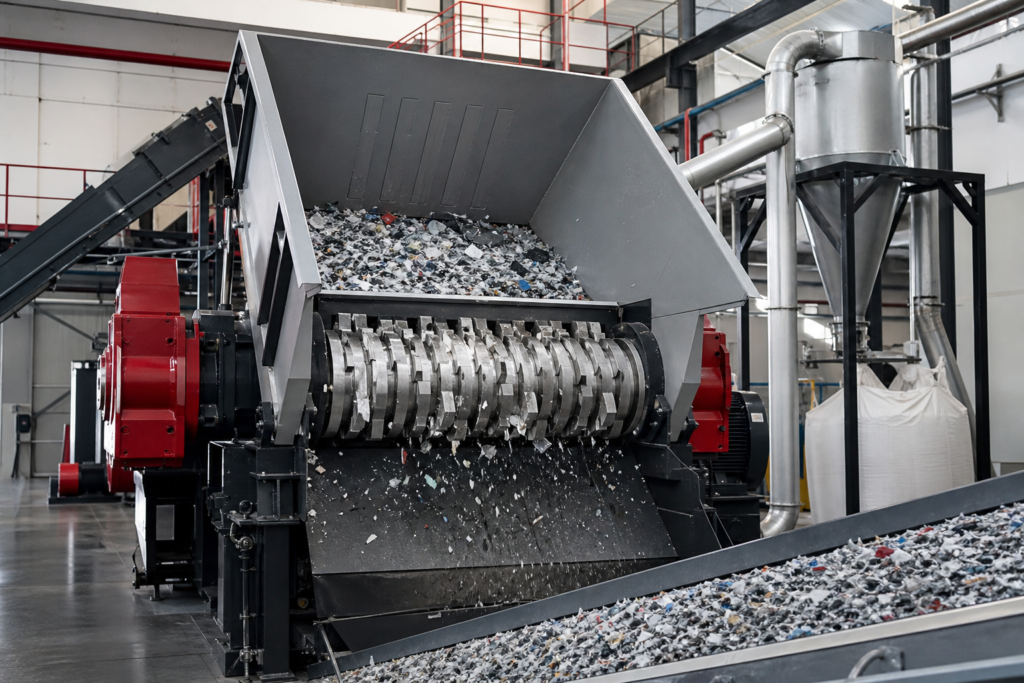
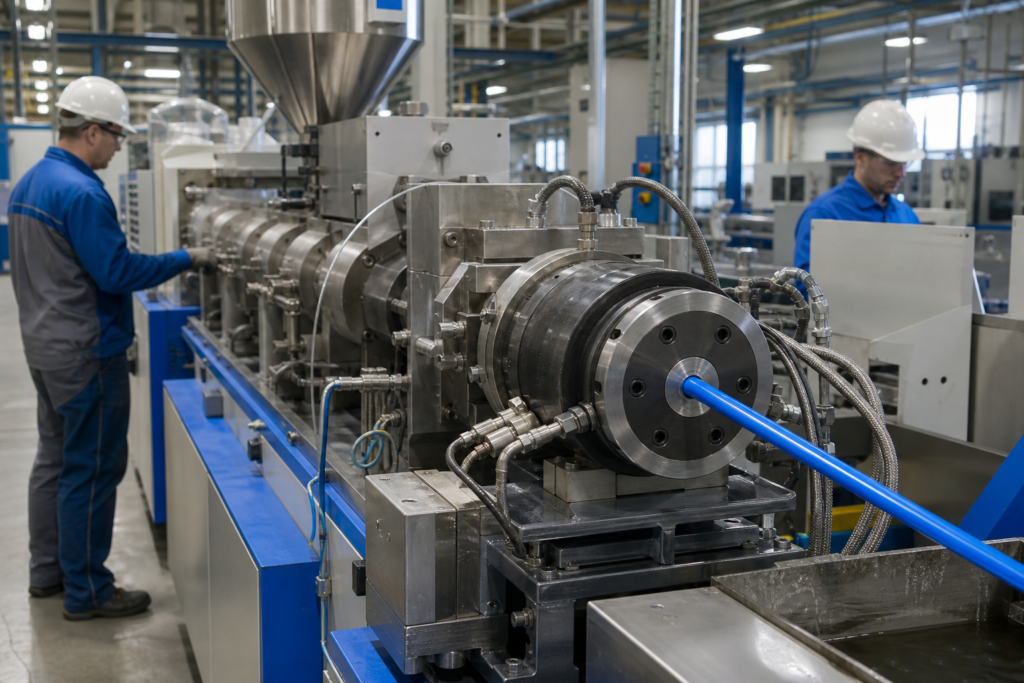
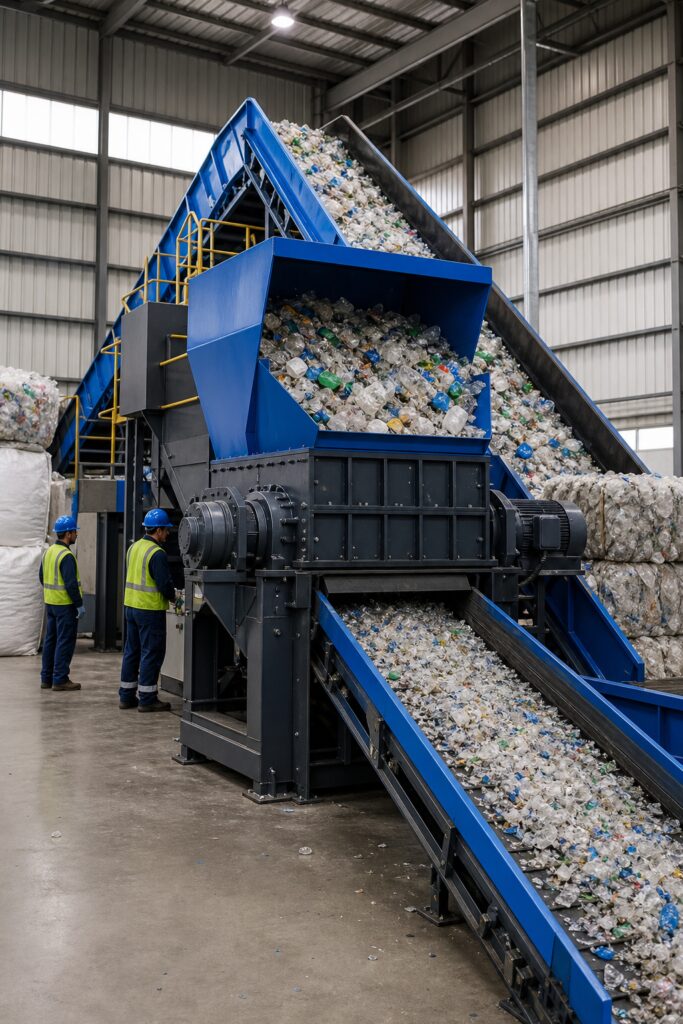
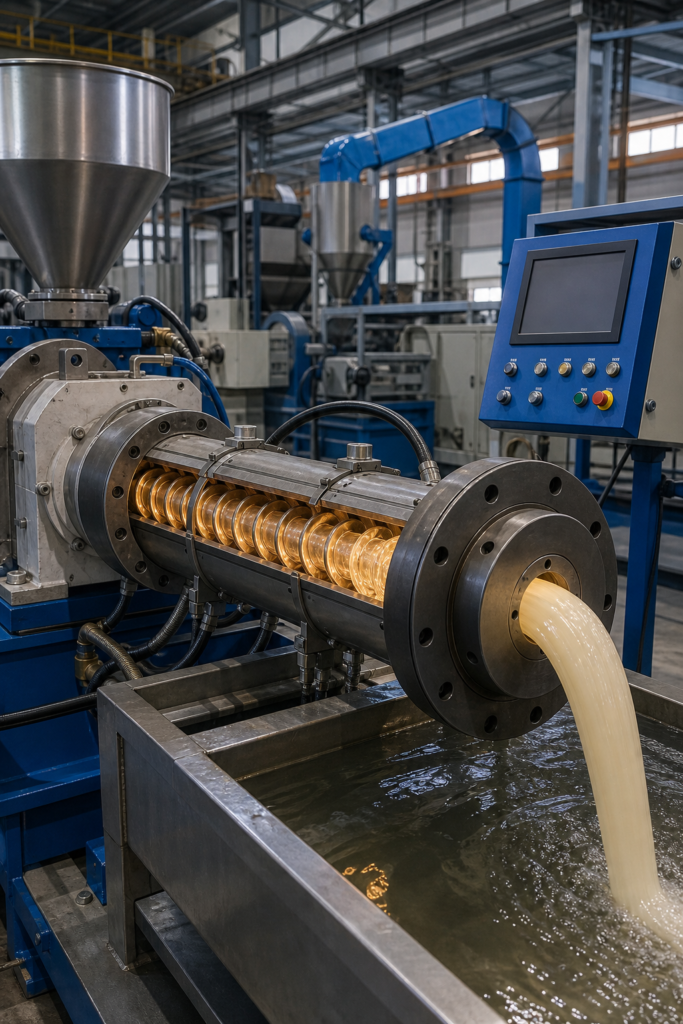
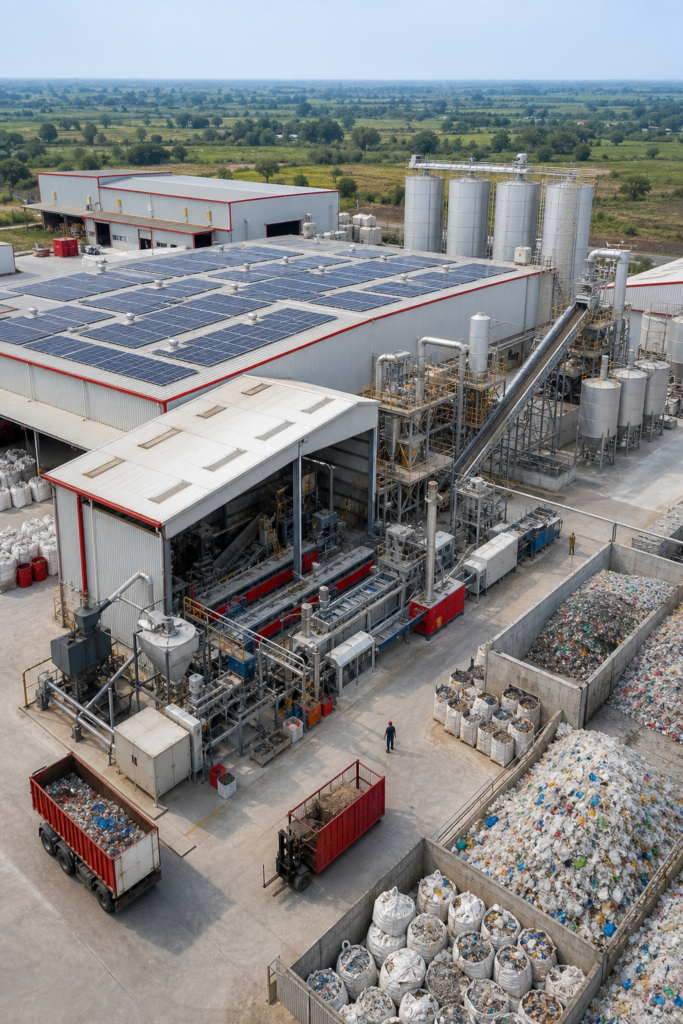
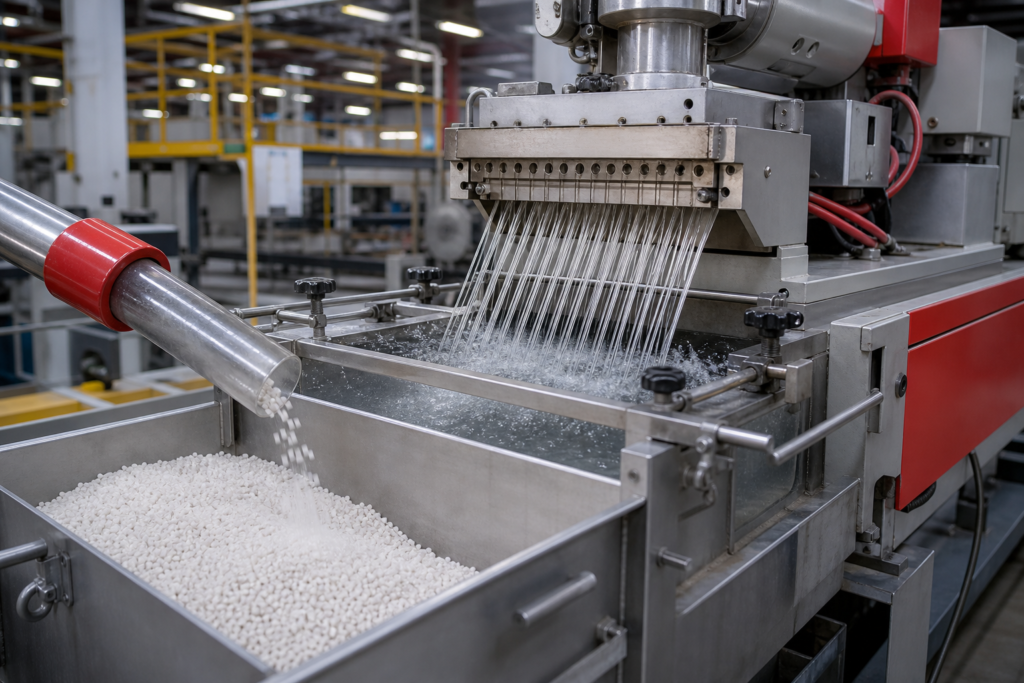
Ahmedabad, Gujarat GST No.-24AAVHA8297E1ZU +91 98982 41416Linkedin-in Instagram Whatsapp Home About us ☰ Our Product Auxiliary Equipment Extruders Pipe Making Machine Plastic Recycling Machine Screw Barrel Blogs Contact us Home About us ☰ Our Product Auxiliary Equipment Extruders Pipe Making Machine Plastic Recycling Machine Screw Barrel Blogs Contact us Request Appointment From Plastic Waste to Profitable Granules: How the Plastic Granules Making Process Works Plastic waste is everywhere. Streets, warehouses, scrap yards, small towns, big cities. For some people, it’s just a waste. For others, it’s raw material waiting to be converted into money. That’s the shift happening across India right now. Recycling is no longer just about cleaning the environment. It’s proper business. At Plastivo Extrusions, we see this change happening closely. New recycling units are coming up. Existing manufacturers are expanding capacity. Demand for recycled plastic granules is increasing across industries. And at the centre of this entire system sits one important setup — the plastic granules making machine. The concept is simple. Collect plastic waste.Process it correctly.Convert it into reusable granules.Sell it back into the manufacturing cycle. But what happens between waste and granules decides whether your business runs smoothly or struggles every month. Step One: Collection and Sorting Everything begins with raw material. Plastic waste comes from different sources: Post-consumer waste Industrial scrap Rejected moulded parts Packaging films and containers It never comes neatly separated. Different polymers get mixed. Different colours get mixed. Even moisture levels vary. Sorting is not optional. HDPE must be separated from PP. LDPE should not be mixed blindly. Each polymer has a different melting behaviour. If you ignore this step, output quality suffers immediately. Many new recyclers underestimate sorting. Later, they realise it is the foundation. Step Two: Washing and Cleaning Plastic scrap is rarely clean. Oil stains. Mud. Labels. Dust. Food residue. If washing is weak, your final granules will show problems like: Black specks Unpleasant smell Weak mechanical strength Poor finish And once quality drops, buyers negotiate hard. So proper washing lines matter. Hot washing tanks. Friction washers. Drying systems. It may look like a simple step, but it controls the quality of the final granules more than people think. Step Three: Shredding Large plastic pieces cannot directly go into the extrusion machine. They must be reduced into smaller flakes first. Uniform shredding ensures: Smooth feeding into the extruder Consistent melting Stable output If shredding is uneven, feeding becomes inconsistent. That creates pressure fluctuations inside the barrel. Which again affects output quality. One weak stage affects the next. Everything is connected. Step Four: Melting and Extrusion This is where the real transformation happens. The shredded flakes enter the plastic granules making machine. Inside the barrel, a rotating screw pushes the material forward while heaters gradually melt it. Temperature control is critical. Too low — incomplete melting. Too high — material degradation. Recycled plastic is never perfectly uniform. That’s why the screw design and heating control must handle variation without constant breakdown. The molten plastic passes through a screen changer. This removes remaining impurities. Clean melt moves forward to the die head. Stable pressure. Clean filtration. Controlled temperature. That combination decides granule quality. Step Five: Pelletizing Once the molten plastic exits the die, it needs to be converted into small, uniform pellets. Common methods include: Strand pelletizing Water bath cooling and cutting Underwater pelletizing systems Uniform size matters. Manufacturers want granules that feed smoothly into injection moulding or extrusion machines. Irregular pellets cause feeding disturbance. Consistency keeps customers happy. And happy customers mean repeat orders. Where Profit Actually Comes From? Many people think profit comes only from selling granules. But the real profit lies in efficiency. Your margins improve when: Power consumption stays controlled Output per hour is high Downtime is minimal Material wastage is reduced Granule quality remains consistent If your machine stops frequently, production losses eat into profits. If quality fluctuates, buyers reduce rates. That is why selecting the right plastic granules making machine is not just about capacity. It is about long-term stability and predictable output. In India, demand for recycled granules is growing in sectors like pipes, packaging, furniture, automotive components and household products. If quality is reliable, market demand is not the issue. Single Stage vs Double Stage Systems This is one common confusion. Single-stage systems are suitable for relatively clean and uniform scrap, with lower investment. Easier maintenance. Double-stage systems are preferred when dealing with: Printed or heavily contaminated materials Mixed plastic scrap Lower-grade input Higher impurity levels Yes, the initial investment is higher. But the melt quality improves significantly. The right choice depends on your raw material, not just your budget. Bigger Than Recycling This industry is no longer small-scale scrap handling. Entrepreneurs are entering this field seriously. Industrial clusters are expanding recycling operations. Policies are encouraging circular economy practices. Plastic waste is becoming a valuable resource. If you are planning to set up or upgrade your recycling plant and want clarity on the right machine configuration, contact us to discuss your production goals and material type. When you understand both the process and the machinery, decision-making becomes easier. Final Thought Turning plastic waste into profitable granules is not a shortcut plan. It requires planning. The right equipment. Proper sorting. Controlled processing. But once everything is aligned, the cycle becomes steady. Waste comes in.Granules go out.Manufacturers buy.Revenue builds. If you’re exploring machinery upgrades, you may also find it useful to read How Advanced Screw Barrel Technology is Changing Plastic Recycling and Extrusion in India? to understand how performance improvements directly impact output quality and consistency. That’s how plastic waste turns into opportunity. Not by luck. By process. At Plastivo Extrusions, we specialize in designing and manufacturing high-performance plastic extrusion, recycling, and pipe-making machines. With a strong commitment to innovation, quality, and customer satisfaction Pages Home About Us Our Products Blog Contact us Products Auxiliary Equipment Extruders Pipe Making Machine Plastic Recycling Machine Screw Barrel Contact +919898241416 sales@plastivoextrusion.com GST No.-24AAVHA8297E1ZU Links

How the Plastic Granules Making Process Works Read More »

How Advanced Screw Barrel Technology is Changing Plastic Recycling and Extrusion in India?

Ahmedabad, Gujarat GST No.-24AAVHA8297E1ZU +91 98982 41416Linkedin-in Instagram Whatsapp Home About us ☰ Our Product Auxiliary Equipment Extruders Pipe Making Machine Plastic Recycling Machine Screw Barrel Blogs Contact us Home About us ☰ Our Product Auxiliary Equipment Extruders Pipe Making Machine Plastic Recycling Machine Screw Barrel Blogs Contact us Request Appointment How Advanced Screw Barrel Technology is Changing Plastic Recycling and Extrusion in India? Plastic manufacturing in India is moving fast. Really fast. Everyone wants better quality, less waste, and machines that just work without constant hiccups. And if you look inside an extrusion machine, the real game-changer is the screw barrel. Sounds tiny, but it decides if your production is smooth or a headache. Companies like Plastivo Extrusions are showing how modern barrels are changing the game completely. Screw barrels? Not just cylinders with a screw spinning inside. They melt, mix, push, shape. Bad barrel? Uneven melt, wasted material, frustrated operators. Good barrel? Smooth runs, consistent output, no drama. Why Screw Barrels Matter? Imagine cooking. You have the ingredients ready, but your pan is warped. Some parts burn, some stay raw. That’s what a cheap barrel does to plastic. It sticks. It melts unevenly. Sometimes it even burns. Modern barrels are designed to avoid all this. Plastic melts evenly. Moves smoothly. Comes out perfect. And it’s not just about quality. Bad barrels, strain machines, eat up energy, and cause maintenance nightmares. For Indian manufacturers, that means more cost, more time lost, more frustration. Advanced screw barrels solve all this. What’s New in Screw Barrel Technology? Stronger Materials Old barrels? Worn out fast, especially with recycled plastics or glass-filled plastics. Now? High-grade alloy steels, sometimes bimetal layers, and special coatings. Handles tough plastics, recycled stuff, whatever you throw at it. Lasts longer. Machines stop less. Money saved. Simple. Better Design It’s not just about strength. It’s about precision. Tight clearances, smart screw flights, calculated zones. Translation: plastic melts evenly. No lumps. No hot spots. For recyclers, this is gold. Recycled plastics are unpredictable. Moisture, fillers, mixed types. A well-engineered barrel handles it all. Fewer rejects. Smooth runs. Happy operators. Barrier and Vented Barrels Barrier barrels separate the melt and metering zones. Makes plastic flow nicely. Vented barrels? They remove moisture and gases while processing. Recycled plastics love this. Cleaner output. Stronger output. Reliable output. Indian manufacturers are noticing the difference. Machines run better. Products look better. Twin Screw Barrels Single screw barrels are fine for basic jobs. But high-performance polymers, mixed recycled plastics? Twin screw barrels mix better, control melt more precisely, and speed things up. Indian companies switching to these see fewer defects, better output, and faster production. Real-Life Impact on Indian Production Numbers and specs are one thing. Seeing it on the floor is another. Manufacturers upgrading barrels noticed big changes: Machines stopped less. Downtime dropped. Energy bills? Lower. Friction reduced. Product quality? More consistent. Fewer rejects. Recycling post-consumer plastics? Much smoother. Productivity? Went up. Faster runs without sacrificing quality. Some plants even tried vented or twin screw barrels for projects they couldn’t manage before. Works like magic. New capabilities, same machine. Why Indian Manufacturers Are Upgrading? It’s not fancy tech for the sake of it. It’s practical. Less downtime. Machines run. Operators happy. Energy savings. Precision means less electricity wasted. Consistent quality. No more rejected batches. Easier recycling. Mixed plastics don’t cause panic. Compliance. BIS Standards? Export-ready? Covered. Save money. Improve quality. Stress less. That’s why barrels matter. Choosing the Right Barrel No magic formula. Single screw for standard plastics. Twin screw for tricky or recycled materials. Vented or barrier if moisture is a problem. Many Indian manufacturers work with trusted suppliers to custom-make barrels. Smooth machines. Happy operators. Less downtime. Longer-lasting barrels. Bottom line: smarter machines, smarter business. Looking Ahead The plastic industry in India is only growing. Efficiency and sustainability? Not optional anymore. Screw barrels aren’t just machine parts; they’re the backbone. Modern barrels reduce energy, process recycled plastics better, and improve output. For any queries or customised solutions, you can reach out to us anytime. Companies adopting this early get an edge. Smooth runs, less waste, more profits. Indian manufacturers taking advantage of new barrel tech are ahead of the curve. Bottom Line Screw barrels. Tiny, right? But they change everything. Strong materials. Smart designs. Vented, barrier, twin screw options. All of it adds up to smoother production, less waste, and better profits. Indian manufacturers and recyclers who pay attention and invest in the right barrels aren’t just improving machines; they’re shaping the future of extrusion in India. If you want to understand the basics before upgrading, do read our detailed guide on Screw Barrels for Plastic Extrusion Machines: What You Should Know. At Plastivo Extrusions, we specialize in designing and manufacturing high-performance plastic extrusion, recycling, and pipe-making machines. With a strong commitment to innovation, quality, and customer satisfaction Pages Home About Us Our Products Blog Contact us Products Auxiliary Equipment Extruders Pipe Making Machine Plastic Recycling Machine Screw Barrel Contact +919898241416 sales@plastivoextrusion.com GST No.-24AAVHA8297E1ZU Links

How Advanced Screw Barrel Technology is Changing Plastic Recycling and Extrusion in India? Read More »

Screw Barrels for Plastic Extrusion Machines

Ahmedabad, Gujarat GST No.-24AAVHA8297E1ZU +91 98982 41416Linkedin-in Instagram Whatsapp Home About us ☰ Our Product Auxiliary Equipment Extruders Pipe Making Machine Plastic Recycling Machine Screw Barrel Blogs Contact us Home About us ☰ Our Product Auxiliary Equipment Extruders Pipe Making Machine Plastic Recycling Machine Screw Barrel Blogs Contact us Request Appointment Screw Barrels for Plastic Extrusion Machines: What You Should Know Running a plastic extrusion plant in India can be unpredictable. Some days, the extruder hums along, pellets look good, and everything feels fine. Other days, nothing seems right. Machines stop, output drops, and suddenly everyone is blaming the screw or the motor. But most of the time, the problem quietly sits in the screw barrel. It could appear to be just a metal cylinder, but actually, it’s the core of your equipment. A single faulty barrel can give rise to uneven melting, the production of substandard pellets, and downtime, which smaller and medium-sized plants hardly have the luxury to endure. That’s why picking the right screw barrel manufacturer and supplier matters. Plastivo Extrusions is one name that Indian plants trust; they make barrels that fit right, last long, and keep your machines running smoothly. Why the Screw Barrel Really Matters? People often overlook the barrel because it looks simple. But it does a lot of heavy lifting: Melts plastic evenly. Keeps pressure and temperature steady. Protects the extruder screw from excessive wear. Ignore it, and pellets can come out all over the place. Machines may stop mid-production. And for small and medium Indian plants, even a few hours of downtime can hurt profits badly. Types of Screw Barrels Not all barrels are equal, and not every plant needs the same type. Here’s the breakdown: Single Screw Barrel: Affordable, simple, and it works if your plastic waste is consistent. Twin Screw Barrel: Handles mixed plastics better, gives smoother melting, and fewer headaches. Mother Baby System Barrel: Two-step process, mother melts, baby polishes. Great for medium plants that need high-quality pellets. Some plant owners try to save money by going for cheap barrels. Usually, that backfires. A slightly better barrel will save money on downtime, repairs, and wasted pellets. Features That Actually Matter Don’t just look at price, features make the real difference: Material: Hardened steel or high-grade alloy that can handle heat. Precision Fit: Even a tiny mismatch with the screw can mess up the output. Heat and Corrosion Resistance: Indian conditions are tough, with temperature changes, wear, and tear. Your barrel needs to survive all that. The right screw barrel supplier, like Plastivo Extrusions, doesn’t just sell a barrel. They help you pick the right size, type, and length for your machine. That guidance matters more than you think. Benefits You’ll Actually Notice Once the correct barrel is installed, things improve fast: Pellets come out consistently and smoothly. Machines run longer without unexpected stops. Energy usage drops slightly because the machine isn’t struggling. For small and medium Indian plants, this is huge. Less stress, fewer breakdowns, better profits. Maintenance Without Stress Even the best barrel needs a little care: Clean it regularly to remove plastic buildup. Lubricate moving parts now and then. Check for wear and corrosion from time to time. Plastivo Extrusions makes spare parts easy to get, so you aren’t waiting weeks when something breaks. A little routine care keeps your machine running like new. Why It Matters Beyond the Barrel? A good screw barrel affects the whole plant. Efficient machines, consistent quality, less waste, and higher profits all start here. In India, where the extrusion and recycling industries are growing fast, investing in the right equipment can give your plant a real edge. Why Plastivo Extrusions? There are lots of suppliers in India, but Plastivo Extrusions stands out for a few reasons: Quality barrels made for Indian conditions, handle mixed plastics, variable temperatures, and continuous production. Customisation based on your machine type, capacity, and setup. After-sales support that actually helps you avoid downtime. Choosing the right supplier isn’t just about buying a part; it’s about making your extrusion machine work efficiently for years. Wrapping It Up A screw barrel might seem small, but it touches everything: output quality, efficiency, maintenance, and profits. Choosing the right screw barrel manufacturer and supplier will be the most stress-free, fastest, and cheapest option for your plant. If you want to get the maximum output from your extrusion machines, Plastivo Extrusions is the right choice since they provide high, quality, long, lasting, and tailor-made screw barrels. Ready to upgrade your plant? Contact us today and get expert guidance directly from Plastivo Extrusions. Upgrading your extrusion setup? Don’t miss our blog on How to Choose the Right Plastic Recycling Machine in India: A Buyer’s Guide for tips that really help. At Plastivo Extrusions, we specialize in designing and manufacturing high-performance plastic extrusion, recycling, and pipe-making machines. With a strong commitment to innovation, quality, and customer satisfaction Pages Home About Us Our Products Blog Contact us Products Auxiliary Equipment Extruders Pipe Making Machine Plastic Recycling Machine Screw Barrel Contact +919898241416 sales@plastivoextrusion.com GST No.-24AAVHA8297E1ZU Links

Screw Barrels for Plastic Extrusion Machines Read More »

How to Choose the Right Plastic Recycling Machine in India

Ahmedabad, Gujarat GST No.-24AAVHA8297E1ZU +91 98982 41416Linkedin-in Instagram Whatsapp Home About us ☰ Our Product Auxiliary Equipment Extruders Pipe Making Machine Plastic Recycling Machine Screw Barrel Blogs Contact us Home About us ☰ Our Product Auxiliary Equipment Extruders Pipe Making Machine Plastic Recycling Machine Screw Barrel Blogs Contact us Request Appointment How to Choose the Right Plastic Recycling Machine in India: A Buyer’s Guide Running a plastic recycling plant in India isn’t always smooth. One day you’re sorting heaps of mixed waste, the next day your old machine refuses to cooperate. It gets frustrating, right? If you’re thinking of investing in a plastic recycling machine, you need something that actually works for your plant, your waste type, and your budget.  That’s where Plastivo Extrusions comes in. They’ve been helping Indian recycling businesses with machines that are reliable, efficient, and easy to operate, even for small and medium plants. You don’t want to waste money on a machine that looks fancy but doesn’t fit your setup. Believe me, it happens more than you think. Types of Machines Made Simple Machines can sound complicated, but really, there are three main types you’ll see in India: Single Screw Extruder: Affordable, simple, and works well for uniform plastic waste. Not very flexible, but okay for small operations. Twin Screw Extruder: Handles mixed plastics better, smoother melting, and more consistent pellets. A bit pricier but worth it. Mother Baby System: Two-step process—the “mother” extruder does bulk processing, and the “baby” extruder refines the output. Ideal for medium plants wanting high-quality pellets. No need to get lost in technical terms. The more complicated your waste, the more you’ll benefit from a system that can manage it without constant babysitting. Features That Actually Matter Price is tempting to focus on, but features make the real difference: Filtration System: Keeps your pellets clean and sellable. Ventilation: Reduces moisture, prevents foaming—important in India’s humidity. Automation: Less manual monitoring, fewer errors. Durability: Strong screws, barrels, and components that last. Plastivo Extrusions designs machines keeping these realities in mind, so you get something built for Indian conditions, not just a brochure. Why Small and Medium Plants Love These Machines? Big plants can buy massive setups, sure. But most Indian recycling businesses face limits on space, budget, and manpower. Compact systems like mother baby or twin screw machines are perfect here. They handle mixed waste without constant adjustment and produce high-quality pellets ready for sale or reuse. A good machine can completely change your plant’s workflow. Less stress, fewer breakdowns, more output. Even small teams can manage without spending all day troubleshooting. Benefits You’ll Notice Immediately Once the right machine is in place, the benefits are obvious: More usable pellets, less waste. Consistent quality, which fetches better prices. Lower electricity bills, thanks to energy-efficient designs. Flexibility to handle different types of urban and semi-urban plastic waste. It’s more than just a machine—it’s the backbone of your plant. Choose poorly, and you’re stuck babysitting it all day. Choose well, and it works like a silent partner. Maintenance Without the Headache High-tech doesn’t have to mean high-maintenance. With the right setup: Clean the extruders regularly. Clear the filters occasionally. Lubricate moving parts now and then. Even operators with basic skills can handle this. Plastivo Extrusions also ensures spare parts are easily available, so downtime is minimal. The Bigger Picture Investing in the right machine isn’t just about profit. Recycling plastic properly in India helps reduce landfill waste and creates usable pellets for new products. Your business benefits financially, but there’s also an environmental impact. Sustainability isn’t just a buzzword—it’s something buyers, partners, and the community notice. Wrapping It Up Choosing the right plastic recycling machine in India isn’t complicated, but it needs thought. Waste type, machine features, energy efficiency, and maintenance all matter. The right choice saves money, reduces headaches, and gives you better-quality output. If you want a machine that actually works for Indian plants, Plastivo Extrusions offers solutions from single screw extruders to advanced mother baby systems. Their team can guide you to the setup that fits your plant perfectly. Ready to upgrade your plant? Contact us today and get expert advice directly from Plastivo Extrusions. Your plant deserves a machine that works as hard as you do. Learn more about the Best Mother Baby Plastic Recycling Machine for Small and Medium Plants in India and how it can transform your recycling plant. At Plastivo Extrusions, we specialize in designing and manufacturing high-performance plastic extrusion, recycling, and pipe-making machines. With a strong commitment to innovation, quality, and customer satisfaction Pages Home About Us Our Products Blog Contact us Products Auxiliary Equipment Extruders Pipe Making Machine Plastic Recycling Machine Screw Barrel Contact +919898241416 sales@plastivoextrusion.com GST No.-24AAVHA8297E1ZU Links

How to Choose the Right Plastic Recycling Machine in India Read More »

Best Mother Baby Plastic Recycling Machine

Ahmedabad, Gujarat GST No.-24AAVHA8297E1ZU +91 98982 41416Linkedin-in Instagram Whatsapp Home About us ☰ Our Product Auxiliary Equipment Extruders Pipe Making Machine Plastic Recycling Machine Screw Barrel Blogs Contact us Home About us ☰ Our Product Auxiliary Equipment Extruders Pipe Making Machine Plastic Recycling Machine Screw Barrel Blogs Contact us Request Appointment Best Mother Baby Plastic Recycling Machine for Small and Medium Plants in India Running a plastic recycling plant in India isn’t always straightforward. Some days, you’re dealing with mixed waste, other days with machines that just don’t cooperate. If you’ve been thinking about a mother baby plastic recycling machine, you’re probably looking for something that actually makes life easier. That’s where Plastivo Extrusions comes in; they’ve been helping Indian plants set up machines that just work, without all the drama.  These machines are especially good for small and medium plants, giving you better output without needing a whole army of operators. Why is a Mother Baby System Different? You may have seen single extruder machines or older setups. They get the job done, but let’s be honest—they aren’t forgiving. The mother baby system works a bit differently: The mother extruder does the heavy lifting, melting and mixing the plastic. The baby extruder is like the finisher, filtering out impurities and polishing the pellets. This two-step approach may sound technical, but for Indian recycling plants, it’s a lifesaver. You get smoother processing, better quality pellets, and less stress over random machine breakdowns. And yes, it can handle all sorts of plastics—LDPE, HDPE, PP films, woven sacks. If you want some guidance on picking the right setup, you can always Contact Us at Plastivo Extrusions. They’ll tell you what fits your plant best. Small and Medium Plants? Perfect Match Here’s the thing. Big plants can throw money at huge machines, and it works. But most Indian plants? Limited space, limited budget. You need something compact, yet reliable. That’s exactly why this system is so popular. It doesn’t just take up less space. It also keeps running without constant interruptions. Small plants get quality pellets that are ready to sell or use. Medium plants can even process mixed waste without fiddling with every batch. Key Features to Watch Out For Buying a machine isn’t just about price. Look at these things carefully: Twin Screw Extruder: Makes sure melting and mixing are smooth. Filtration: No one wants contaminated pellets. Ventilation: Keeps moisture out and prevents foaming. Automation: Reduces constant manual monitoring. Most Indian manufacturers now keep these features in mind—energy-efficient, durable, and suited to unpredictable power conditions. Advantages You’ll Actually Notice When the machine is up and running, the benefits are obvious: More usable pellets: Less wastage, more output. Consistent quality: Buyers notice uniform pellets. Lower electricity bills: Compared to older machines, it’s easier on energy. Flexible: Works well with mixed urban and semi-urban plastic waste. For small and medium plants, these advantages aren’t just nice to have—they can make a real difference in profits. Maintenance Isn’t Painful Worried about upkeep? Don’t be. The system is fairly straightforward: Keep extruders clean. Clear the filtration regularly. Lubricate moving parts now and then. Even operators with basic technical skills can manage day-to-day maintenance. No need to call a technician for every small hiccup. The Bigger Picture Here’s something to think about: this isn’t just about your plant making more money. A good mother baby system also helps tackle India’s plastic waste problem. Instead of landfills and clogged drains, you get usable pellets that go back into new products. It’s also a way to show your plant is responsible. Sustainability isn’t just a buzzword; buyers and partners notice when you use recycled plastic efficiently. Wrapping Up If you’re running a small or medium plastic recycling plant in India, a mother baby plastic recycling machine from Plastivo Extrusions is worth serious thought. Compact, energy-efficient, versatile, and capable of producing high-quality pellets, it can really change how your plant works. From handling tricky plastic waste to cutting down manual effort, this twin extruder system is designed with Indian conditions in mind. Ready to upgrade? Your plant could go from chaotic to smooth-running, high-output, and profitable, all with the right setup. At Plastivo Extrusions, we specialize in designing and manufacturing high-performance plastic extrusion, recycling, and pipe-making machines. With a strong commitment to innovation, quality, and customer satisfaction Pages Home About Us Our Products Blog Contact us Products Auxiliary Equipment Extruders Pipe Making Machine Plastic Recycling Machine Screw Barrel Contact +919898241416 sales@plastivoextrusion.com GST No.-24AAVHA8297E1ZU Links

Best Mother Baby Plastic Recycling Machine Read More »

Why a Screw Barrel Manufacturer Matters More Than You Think?

Ahmedabad, Gujarat GST No.-24AAVHA8297E1ZU +91 98982 41416Linkedin-in Instagram Whatsapp Home About us ☰ Our Product Auxiliary Equipment Extruders Pipe Making Machine Plastic Recycling Machine Screw Barrel Blogs Contact us Home About us ☰ Our Product Auxiliary Equipment Extruders Pipe Making Machine Plastic Recycling Machine Screw Barrel Blogs Contact us Request Appointment Why a Screw Barrel Manufacturer Matters More Than You Think? If you’ve ever spent a day on the floor of a plastics plant, you’ll get it pretty quick: not all machine parts are created equal. Some things just make production feel smooth and reliable, and others make you nod politely while quietly planning replacement parts. Among all these bits and pieces, the role of a Screw Barrel Manufacturer,  and especially a Twin Screw Barrel Manufacturer,  is one of those things that people only notice when it goes wrong. When a line built by Plastivo Extrusions is humming along, you barely think about the twin screws and the barrel holding them, until something cheap or ill-fitting makes a racket or causes pressure spikes. That’s when you realise how important it is to have components that were made thoughtfully, not rushed out of a low-grade mill. In the plastics world, screws and barrels are the heart of your extrusion lines. They take raw pellets and turn them into everything from pipe to film to granules, and if they’re not matched right, the rest of the machine might as well be decoration. That’s why choosing the right Screw and Barrel Manufacturer and working with a reputable Screw Barrel Supplier isn’t a box-ticking exercise. It’s a decision that affects uptime, product quality, and how many headaches you have on a Monday morning. What Does a Screw Barrel Manufacturer Actually Do? At first glance, a screw and its barrel might look like a piece of metal stuck in a tube. But if you spend five minutes around a veteran operator, you’ll realise it’s much more than that. The design, heat treatment, tolerance, and surface finish all matter a lot. A Screw And Barrel Manufacturer doesn’t just shop for a random steel rod and call it a screw. Good manufacturers look at the polymer being processed, the running speeds, the pressures you’ll need, and even how abrasive your recycled content might be. For example, a twin screw barrel assembly that’s perfect for PVC might be totally wrong for filled HDPE compounds. The metallurgy, the design, and the way it’s treated make all the difference between a machine that behaves and one that eats itself alive. That’s what separates a cookie-cutter part from one that earns respect on the shop floor. When you’re melting resin smoothly and feeding it into your die with minimal fluctuations, it’s easy to forget these parts exist. But when something wears unevenly, or the barrel scorches the material because of a heat mismatch, you notice it fast,  and everyone feels the ripple effect. Why Twin Screws and Barrels Are a Different Beast? A Twin Screw Barrel Manufacturer is dealing with something trickier than a single screw setup. With two screws meshing and turning together, you have a whole different set of dynamics,  and that means more variables to account for. Twin screws don’t just push and melt material. They mix, they knead, and they homogenise in a way a single screw can’t. That’s great when you need consistent output with filled compounds or recycled blends that don’t behave like virgin resins. But it also means the barrels and screws need to be perfectly matched and heat-treated to handle the mechanical stress and shear forces involved. Tiny misalignments, poor surface finish, or uneven hardening can show up as uneven pressure, excessive wear, or noisy operation. A twin screw barrel assembly isn’t just two screws in a tube. It’s a coordinated system, and the manufacturer has to think in terms of interaction, not just individual parts. That’s why experienced suppliers,  the ones people go back to again and again, build these parts like they’re thoughtful pieces of a bigger puzzle, not throwaway consumables. How the Right Screw Barrel Impacts Your Production? If you’ve ever changed a screw barrel mid-shift, you know exactly how much difference a good one makes. Badly fitting barrels cause uneven melting, inconsistent pressure, surging torque, and frankly, a lot of guesswork on the operator’s side to compensate. And every time you compensate for the machine, you’re throwing away consistency. A high-quality Screw Barrel Supplier gives you parts that fit tight tolerances, behave predictably under load, and wear evenly so you’re not chasing odd pressure dips or random scrap. That means fewer surprises, fewer stoppages, and a line that behaves the same batch after batch. Operators know these nuances; you can see it in the way they watch pressure charts, listen for smooth torque curves, and adjust feeder speeds not because they have to, but because they’ve learned how good hardware should behave. If you’re unsure which screw and barrel setup suits your line or material best, contact us, and we’ll help you sort it out. Real Talk: What Happens When You Skimp on Screw Barrels Cheaper, generic parts might save a few bucks up front, but it’s the kind of saving that shows up in scrap piles and unscheduled maintenance. Things people actually say on the floor: “I swear the melt pressure goes wild as soon as the screw hits half-life on that barrel.” “It’s like the machine is breathing unevenly — pressure spikes every 10 minutes.” “We replaced the old barrel with a decent one, and suddenly the whole line settled down.” These aren’t marketing lines, they’re conversations you overhear in real plants. A poorly matched screw barrel combo doesn’t just wear faster. It creates inconsistency that the operator then has to fight, often by slowing down production or increasing temperature, which can shorten the life of heaters and increase energy consumption. Getting a quality assembly from the right manufacturer doesn’t feel dramatic every day. It just stops you from having fires to put out. And that peace

Why a Screw Barrel Manufacturer Matters More Than You Think? Read More »

Why Every Workshop Needs a Good Plastic Recycling Machine?

Ahmedabad, Gujarat GST No.-24AAVHA8297E1ZU +91 98982 41416Linkedin-in Instagram Whatsapp Home About us ☰ Our Product Auxiliary Equipment Extruders Pipe Making Machine Plastic Recycling Machine Screw Barrel Blogs Contact us Home About us ☰ Our Product Auxiliary Equipment Extruders Pipe Making Machine Plastic Recycling Machine Screw Barrel Blogs Contact us Request Appointment Why Every Workshop Needs a Good Plastic Recycling Machine? If you’ve ever stepped onto the floor of a plastics plant, the hum of motors, the smell of resin, people adjusting settings on the fly, you know it’s an environment that values machines that behave predictably. Among all that gear, a Plastic Recycling Machine isn’t flashy, but it’s one of the unsung heroes of the operation. When you see a line running with gear from Plastivo Extrusions, you notice this isn’t throwaway equipment; it’s built to make messy scraps behave. In real life, plants don’t run on perfect pellets straight from a bag. They run on what comes off the production line, leftovers, trimmings, rejects, mixed bits from different processes. Instead of letting all that end up as waste, a Plastic Recycling Machine turns it into something useful again, and that makes all the difference for both cost and workflow. Raw Reality: What Recycling Actually Looks Like Most people imagine recycling as this clean, neat process. In reality, it’s not. You’ve got a pile of film scraps here, rigid offcuts there, maybe a mix of PVC bits from one line and HDPE chunks from another. If you don’t deal with that properly, it clogs up feed hoppers, causes jams at the extruder, or pollutes your virgin feedstock with inconsistent material. A proper PVC Recycling Machine steps in here. Instead of letting those leftovers sit or get tossed out, you feed them into your recycling setup. The machine shreds, melts, and reprocesses the plastic back into usable pellets or granules that your extrusion lines or molding machines can handle. And when operators know the machine they’re working with is dependable, they relax just enough to focus on quality rather than firefighting every hour. Why Plant Managers Care About Recycling Machines? For someone managing a plant, every minute of downtime matters. Every batch of material that goes to waste is money lost. A good Plastic Recycling Machine doesn’t just cut down on scrap; it changes how the whole workflow feels. You’re not constantly dealing with overflow bins, you don’t have operators clearing jams every few hours, and you’re not buying virgin resin at the same rate because you’re feeding usable recycled material back into the line. These machines aren’t just cost-cutters. They give control back to the people running the line. When scraps can be recycled effectively, it smooths out the whole production, lowers material costs, and gives you more predictability down the road. The Difference Between PVC and Other Recycling Not all plastics behave the same way. PVC, for example, has a narrower processing window. It can degrade if it gets too hot, and that means a PVC Recycling Machine needs to be tuned more precisely than machines handling more forgiving resins. The heat profile, cooling strategy, and screw design all affect how PVC can be recycled without degrading. This is where real-world knowledge shines. Operators who have run these machines for years can tell you that getting PVC right means paying attention to subtle cues, temperature swings that aren’t visible on the gauge but feel different, pressure shifts that make you check the feed, and knowing exactly when to slow down a line to save material instead of losing it. When you see a Plastivo Extrusions PVC recycling setup in action, there’s a kind of quiet confidence on the floor. People trust the machine not to surprise them,  and that’s huge in a business where surprises usually mean waste and extra costs. How Operators Actually Use Recycling Machines? If you watch someone comfortable with one of these machines, it’s almost like watching a cook at a busy kitchen station. They adjust heat here, tweak the feed rate there, watch how the pellets come out, and make small changes without fanfare. It’s all about feel and experience; machines that are predictable let operators bring their skill to the table instead of constantly reacting to issues. Materials get sorted first, metal fragments and oversized bits are pulled out, so they don’t drag down the recycler. Then the sorted scraps go through shredding and extrusion stages. A dependable machine handles variations in scrap size better and gives a consistent pellet size after processing. That consistency matters when you’re feeding these pellets back into another machine, whether it’s an extruder or an injection molder. If you’re sorting through options or need clarity on the right setup for your plant, contact us, and we’ll help you figure it out without the sales talk. Real Challenges on the Floor No machine is perfect, and recycling is messy by nature. Moisture, contamination, mixed resins, all of it can make processing tricky. Operators know that if the scrap isn’t prepped right, the recycling machine will start choking and the output won’t be consistent. Experienced teams develop habits: controlling moisture levels, carefully sorting scraps, adjusting speeds based on material behavior, and reading subtle machine sounds to anticipate issues. That’s part of why a reliable Plastic Recycling Machine makes the whole team feel more comfortable, fewer surprises mean fewer fire drills, and more consistent output. What Happens When Recycling Goes Right? When a recycling setup is dialed in, you start noticing the difference everywhere. Material costs go down because you’re feeding usable recycled pellets back into your process. Production lines stop stalling because hoppers aren’t full of irregular scraps. Operators don’t find themselves constantly clearing blockages. It’s easy to overlook tools that quietly make reality easier, but ask any operator who’s had four machines and then one reliable unit, and they’ll tell you it’s like night and day. It’s not flash, it’s not glamorous, but it’s steady and dependable. That’s worth its weight in resin. When Recycling Becomes Part of

Why Every Workshop Needs a Good Plastic Recycling Machine? Read More »

Why a Mother Baby Plastic Recycling Machine Makes a Real Difference?

Ahmedabad, Gujarat GST No.-24AAVHA8297E1ZU +91 98982 41416Linkedin-in Instagram Whatsapp Home About us ☰ Our Product Auxiliary Equipment Extruders Pipe Making Machine Plastic Recycling Machine Screw Barrel Blogs Contact us Home About us ☰ Our Product Auxiliary Equipment Extruders Pipe Making Machine Plastic Recycling Machine Screw Barrel Blogs Contact us Request Appointment Why a Mother Baby Plastic Recycling Machine Makes a Real Difference? As one who has been to a recycling plant before, one knows that it is not exactly a clean or quiet process. There are the sounds of whirring motors, pieces of plastic scattered on the floor, and people leaning over their machines. But in the midst of all of these, there is the Mother Baby Plastic Recycling Machine produced by Plastivo Extrusions. The name sounds soft, almost cute, but don’t be fooled. On the shop floor, this machine is a workhorse. It handles scraps, rejects, film, pipe offcuts, basically anything that would otherwise sit in a bin or go to landfill, and turns it into material you can actually use again. That’s money back in your pocket and headaches off your schedule. How Does the Mother Baby System Actually Work? Here’s the simple truth: it’s two extruders working together. The “mother” extruder does the heavy lifting, heating, softening, and moving the scrap along. Then the “baby” extruder takes over, finishing the melting and pushing out uniform pellets or granules. It’s not glamorous, but it works. And the cool part is that mixed plastics, which usually give operators headaches, suddenly behave. Film scraps? Handled. Rigid chunks? No problem. The twin setup keeps output consistent, so you’re not constantly stopping to clean or unclog. Operators quickly learn the machine’s personality. Some plastics need more heat, others less. Some batches come out perfectly with minor tweaks; others demand a careful touch. But once you get it, the system almost runs itself. Why Plants Actually Invest in This Machine? Recycling isn’t just about being green. It’s about dollars and cents. Every piece of scrap thrown away is money literally going out the door. A Mother Baby Plastic Recycling Machine transforms that scrap into feedstock that can go back into production lines. It saves on raw material costs, reduces landfill fees, and cuts down on the chaos of handling scrap. Operators notice it almost immediately: fewer stoppages, smoother lines, and a much lower chance of having that “uh-oh” moment when a hopper clogs or output looks off. Plus, it’s flexible. Mixed materials, leftover granules, or odd-sized scraps all get handled without too much fuss. You’re not constantly babysitting the machine, and that makes a huge difference in a long shift. If you’re planning to upgrade your recycling setup or need clarity on the right machine, contact us now, and let’s talk it through. A Day in the Life on the Shop Floor Picture this: you walk into the plant and see a pile of plastic film, broken pipe bits, and leftover granules from yesterday. Some of it is irregular, some is stubborn, some is just plain messy. The first thing operators do is sort, pulling out metal pieces, oversized chunks, and anything else that could jam the system. Then the material goes into the Mother Baby machine. You watch as the mother extruder heats and moves the scrap along, then the baby extruder shapes it into uniform pellets. Operators keep an eye on temperature, pressure, and pellet consistency. Tiny changes matter: a slight shift in screw speed or a tweak in feed rate can make the difference between perfect output and half a batch that needs to be reprocessed. By the end of a shift, what started as trash is now usable pellets. It’s not glamorous, but it’s real. And for plants juggling tight schedules and mixed scrap, that transformation is gold. What Makes the Mother Baby Machine Different? Sure, you can shred or grind plastic. But most shredders leave you with uneven chunks that aren’t ready for extrusion. The twin extruder system changes that. The mother extruder preps the material, the baby extruder finishes it. The output is consistent, uniform, and ready to go. It handles tricky scrap too, mixed materials, film, and rigid plastics, without constant stoppages. Operators value predictability because in a messy plant, anything predictable is a huge relief. Real Challenges Operators Face? No machine runs perfectly on its own. Moisture, irregular scrap size, and seasonal temperature changes can all of it throw a wrench into the works. Operators need to monitor feed, screw speed, and heat zones to keep the output consistent. Experienced staff develop a kind of “sixth sense.” They hear a motor hum differently, spot subtle changes in pellet shape, or notice temperature fluctuations that aren’t visible on the gauges. Those small instincts keep production lines running smoothly. Without them, even a good machine can feel frustrating. Tips for Getting the Most Out of Your Machine Sort scrap before feeding – Metal or oversized pieces can jam the extruders. Pay attention to heat zones – Different plastics melt differently. Slight changes make a big difference. Adjust feed and screw speed gradually – Going too fast or too slow affects pellet quality. Keep an eye on output – Shape, size, and texture tell you when something needs tweaking. Maintain the machine regularly – Lubricate, clean, and inspect screws to prevent wear and keep production consistent. Simple habits like these make the machine last longer and keep operators’ stress levels down. Why Operators Matter More Than Automation? Automation sounds great in theory, but in reality, humans make the real calls. Machines can follow settings, but only operators interpret the material’s behavior and act in real time. Seasoned operators can adjust for different plastics, know how the line should look and sound, and anticipate small changes before they become big problems. Plastivo Extrusions designs machines that are logical and intuitive, giving operators the tools to make these decisions without a long learning curve. Benefits That Actually Matter A Mother Baby Plastic Recycling Machine isn’t just another investment. It brings

Why a Mother Baby Plastic Recycling Machine Makes a Real Difference? Read More »

The Real Deal About HDPE and PVC Pipe Making Machines

Ahmedabad, Gujarat GST No.-24AAVHA8297E1ZU +91 98982 41416Linkedin-in Instagram Whatsapp Home About us ☰ Our Product Auxiliary Equipment Extruders Pipe Making Machine Plastic Recycling Machine Screw Barrel Blogs Contact us Home About us ☰ Our Product Auxiliary Equipment Extruders Pipe Making Machine Plastic Recycling Machine Screw Barrel Blogs Contact us Request Appointment The Real Deal About HDPE and PVC Pipe Making Machines There’s something about walking into a plastics plant midway through a run that just feels alive. You hear the steady hum of motors, see dust and scraps underfoot, and watch operators make tiny adjustments based on instinct rather than instruction. At the center of a lot of that action is the HDPE Pipe Making Machine, and not far behind is the PVC Pipe Making Machine. These aren’t shiny gadgets for show; these are tools people rely on every day. When you see a line that came from Plastivo Extrusions, you notice that real thought has gone into how these machines behave long after the sales pitch ends. Pipes might seem simple: round tubes that carry water, cables, or gas. But if you’ve ever had to actually make them, you know it’s not as straightforward as it sounds. The machines involved have to deal with raw resin, heat, pressure, and timing in ways that only really make sense once you’ve spent a few weeks listening to them run. What Makes an HDPE Pipe Making Machine Tick? An HDPE Pipe Making Machine isn’t just a motor and a screw. It’s a collection of parts that need to work together in harmony, so the plastic melts right, pushes through the die without over‑shearing, and comes out looking smooth and consistent. With HDPE, heat history matters, too hot and the material degrades, too cold and you get weak pipes that look okay but fail down the line. Operators who’ve been around these machines a while will tell you they “feel” the process. When the melt pressure is stable, and the die doesn’t chatter, it’s a good day. When the melt pressure spikes or the pipe walls get uneven, it’s time to watch the feed and fine‑tune temperatures or screw speed. What’s wild is how much subtle variation exists between batches. Even two sacks of resin from the same supplier can behave differently. That’s where experience and a solid machine from a partner like Plastivo Extrusions make life easier. Quality components, thoughtful design, and predictable control zones all combine to give operators room to breathe instead of constantly troubleshooting. PVC Pipe Making Machine: A Different Challenge Switch over to a PVC Pipe Making Machine, and suddenly you’re in another world, same goal, different quirks. PVC doesn’t melt like HDPE. It softens and stabilizes in a narrower, more precise window of heat. Too much and it off‑gasses, too little and it’s gummy and won’t shape right. PVC pipe lines often use vacuum calibration systems to get the diameter just right. You’ll see operators watching little gauges and adjusting water flow to make sure the pipe holds its form as it cools. This is not a “set it and forget it” setup. It’s constant tuning, watching how the material behaves, and getting ahead of issues before they become scrap piles. The people running these lines aren’t flipping switches; they’re looking at patterns, listening for strange sounds, and responding in real time. That’s where the human element still scores big against anything fully automated. Have questions about which machine fits your production needs? Feel free to contact us and our team and we will guide you. Why Do These Machines Matter in the Real World? Take a moment and think about all the ways pipes are used in everyday life. Water supply, sewage, irrigation, cable conduits, almost everything touches the pipe. A good HDPE Pipe Making Machine or PVC Pipe Making Machine doesn’t just make a product. It makes something that’s trusted to keep systems running, water flowing, and infrastructure in place. Tiny inconsistencies that don’t show up in a quick glance can mean massive headaches later, leaks, weak spots, and dimensional issues that mean fittings don’t line up. That’s why quality matters here, not just in theory but in how the plant runs day after day. A plant that has steady production with minimal surprises is a place where operators don’t dread the start of a shift. They know the machines behave predictably and react logically when conditions change. Everyday Challenges on the Line You don’t need a manual to understand that pipes come out differently depending on feed quality, screw condition, temperature control, and even humidity in the room. Operators end up adjusting things on the fly. It’s not dramatic, but it’s constant. Material that’s a little too moist might cause bubbles. Resin that’s slightly off specification might need a slower screw speed to avoid overheating. In extreme heat outside the plant, cooling systems have to work overtime to keep shape and dimensional control. An experienced operator will tweak settings based on feel. Newer folks might lean on charts and guides, but after a few weeks, they start recognizing responses before they show up on gauges. Machines from Plastivo Extrusions get built with that in mind, predictable, logical responses that match how people actually work rather than how someone thinks they should work on paper. What Happens When Machines Behave — or Don’t? There are those shifts where everything flows. The die stays calm, the pipe comes out round and consistent, and temperatures barely budge. Those days make it clear why investing in good equipment matters. They also highlight what happens when something isn’t tuned right, uneven walls, off‑center pipes, or frequent stops to clear jams. Operators don’t hate machines that are tough to dial in; they hate machines that fight them. A well‑made HDPE Pipe Making Machine feels like a partner. It listens to the material, and the controls behave in ways that make sense. If the temperature rises too fast, the operator knows where to look. If pressure fluctuates, the response is predictable.

The Real Deal About HDPE and PVC Pipe Making Machines Read More »