Choosing the right pelletizer can make or break your recycling line’s throughput. We’ve pulled together the core facts you need to compare options, size up specs, and avoid hidden gaps. Below are the essential details that let you pick a machine that fits your plant’s output, power budget, and automation goals.
What Is a Pelletizer Machine and How Does It Work?
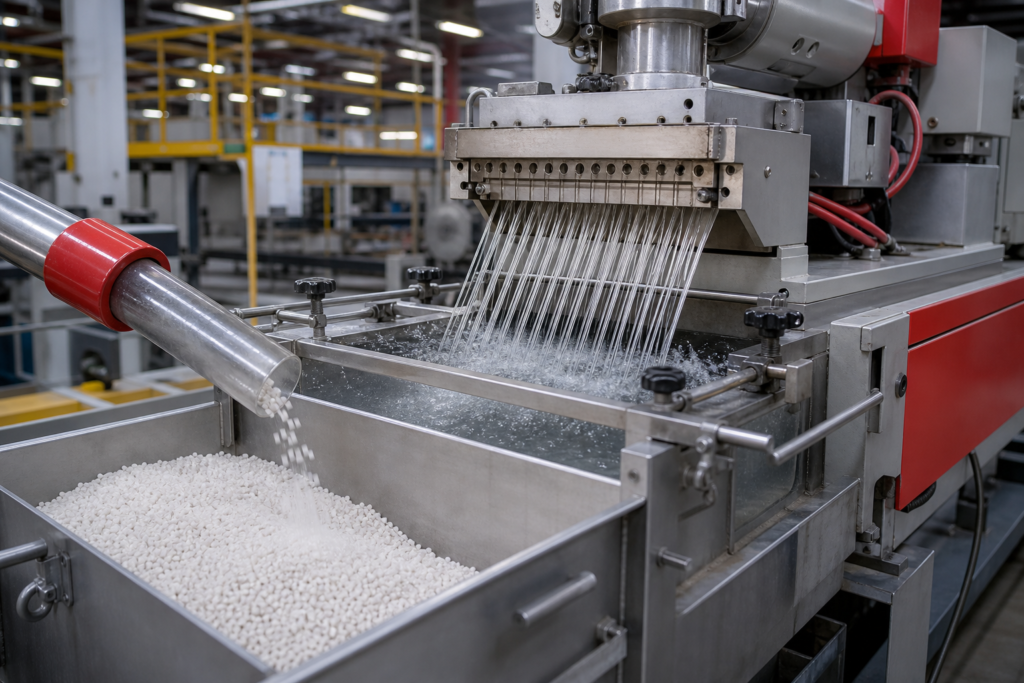
A pelletizer machine cuts molten plastic strands or beads into uniform granules that feed injection molds, blow‑moulders, or extrusion dies. The device sits right after the extruder’s melt zone, catching the hot polymer and shaping it into pellets that are easy to handle and store.
Most units use a rotating knife bar that slices the strand at a set speed; the cut pieces tumble into a cooling water bath before being collected in a bin. The process keeps melt temperature steady, reduces thermal degradation, and yields consistent pellet diameter.
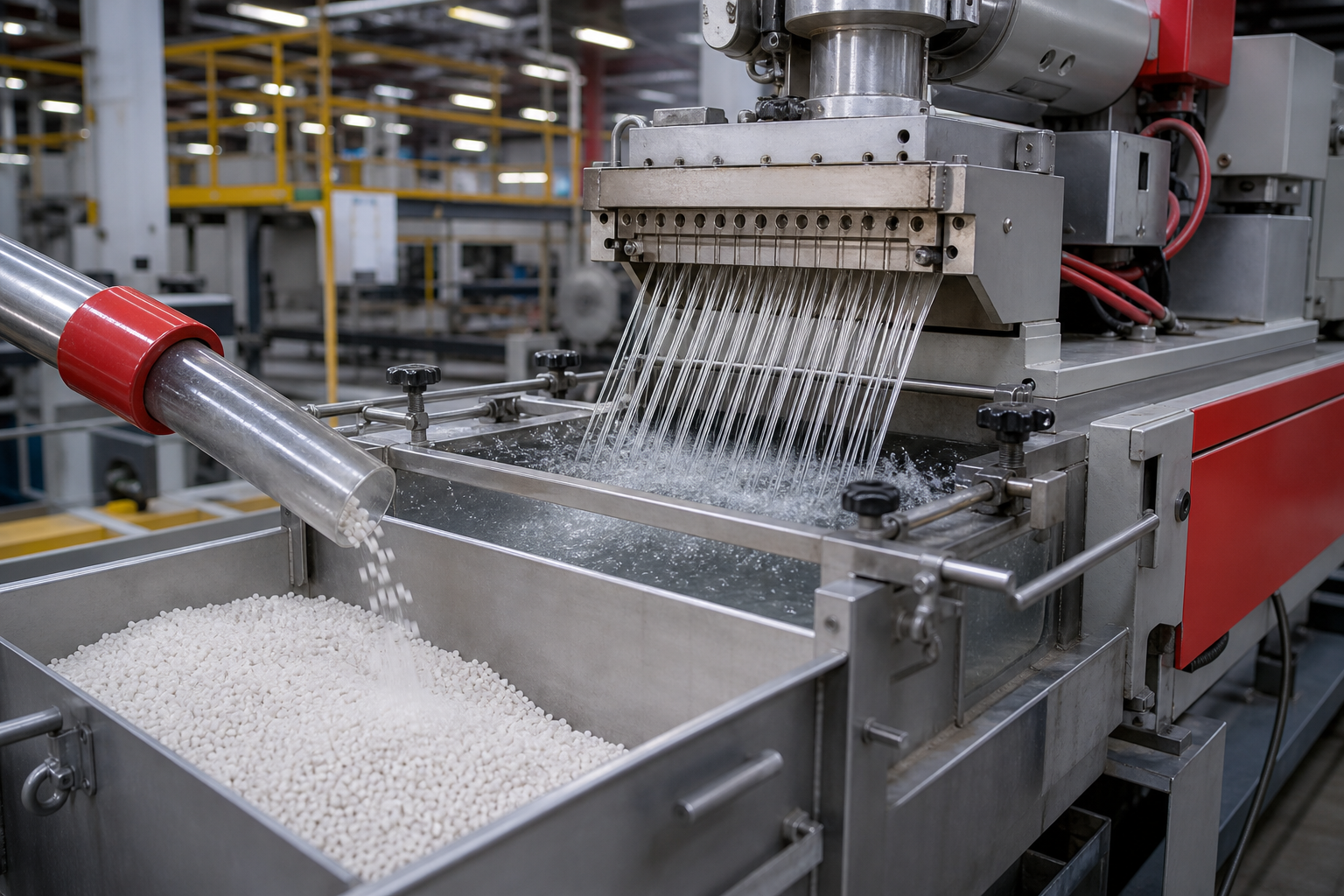
Because the cutter runs at high speed, the machine’s L/D (length‑to‑diameter) ratio, screw L/D, and barrel temperature profile all affect pellet quality. We see that plants with tight tolerances often match the cutter speed to the extruder’s output rate to avoid bottlenecks.
Key Specifications to Consider When Buying a Pelletizer
When you compare models, focus on the specs that directly impact productivity and energy use. Capacity, power draw, pellet size range, melt temperature control, and automation level are the four pillars of any buying decision.
Below is a decision‑making table that lines up the most common specs. Where a model does not publish a figure, we mark it with an em dash.
Notice how many manufacturers leave automation fields blank. That’s a signal you’ll need a detailed spec sheet before signing a contract.
Types of Pelletizer Machines: Underwater, Strand, and Hot‑Cut
Pelletizers fall into three main families. Each type matches a different melt‑flow profile and end‑use requirement.
Underwater pelletizers cut the strand inside a water tank. The water instantly cools the pellets, which reduces melt‑induced stress and gives a very tight size distribution. They are common in PET bottle recycling where product quality is critical.
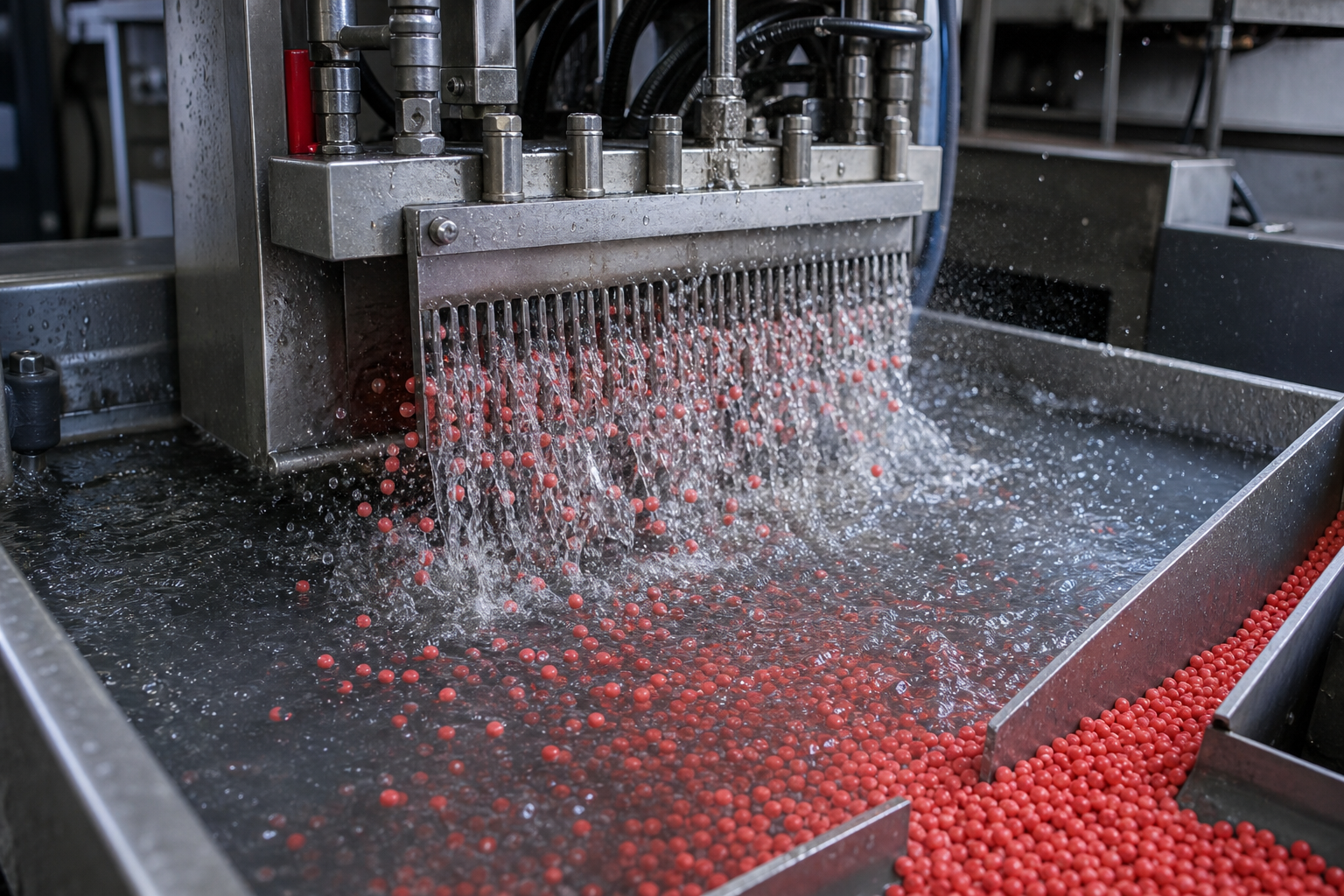
Strand pelletizers slice the strand in air, then spray a mist of water over the cut pieces. They are simpler and cheaper but may need a secondary cooling tunnel for heat‑sensitive polymers.
Hot‑cut machines use a heated knife that cuts the strand while it’s still hot, creating a smoother pellet surface. They excel when you need low‑fines and high melt flow index materials.
The choice between underwater and strand systems often hinges on the polymer’s moisture sensitivity and the plant’s space constraints.
Our top pick, the Plastic Strand Pelletizer Machine from Plastivo Extrusions, blends a strong strand‑cutting head with optional water‑mist cooling. It handles 100‑300 kg/hr, fits in a medium‑size shop floor, and can be upgraded with PLC‑based automation.
Pelletizer Applications in Plastic Recycling and Processing
Pelletizers are the bridge between raw melt and downstream molding. In PET bottle recycling, they turn shredded flakes into uniform pellets that feed injection moulds for new bottles.
For mixed‑plastic streams, a strand pelletizer can handle HDPE, LDPE, and PP in one pass, provided the melt temperature stays within each polymer’s window.
In pipe manufacturing, the granules feed a twin‑screw extruder that produces smooth HDPE or PVC pipe profiles. The consistent pellet size improves die‑face pressure stability, which cuts scrap rates.
We’ve seen plants in Gujarat and Kerala boost throughput by 20 % after swapping a generic strand cutter for a water‑cooled underwater unit. The upgrade reduced pellet fines and lowered downstream filter cleaning time.
How to Choose the Right Pelletizer Machine for Your Plant
Start with a clear picture of your line’s hourly output. Match the machine’s capacity to at least 110 % of that number to keep a safety margin.
Next, map the power availability at your site. If you run on a 4 kW supply, avoid a model that draws 7 kW unless you plan an electrical upgrade.
Then, decide on automation. If you need remote monitoring or automatic blade wear alerts, ask the supplier for a PLC‑ready package. Most Indian manufacturers, including Plastivo, can add a basic HMI panel; pricing is available on request.
Finally, verify the pellet size range aligns with your downstream equipment. Injection moulds often require 3, 5 mm pellets, while extrusion dies may prefer 5, 7 mm.
We recommend reaching out to Plastivo Extrusions for a full spec sheet. Their engineers will run a quick load‑match calculation and suggest any needed upgrades.
Maintenance Tips for Long Pelletizer Machine Life
Regular blade inspection is the most important task. A dull cutter creates irregular pellets and can overload the motor.
Every 500 hours of operation, stop the line, remove the knife bar, and check the edge for wear. Replace it if the clearance exceeds 0.2 mm.
Lubricate moving bearings with a high‑temperature grease every 200 hours. Too much grease can attract plastic dust, so wipe excess with a lint‑free cloth.
Monitor water flow in underwater units. A clogged nozzle reduces cooling efficiency and raises pellet temperature, leading to higher melt viscosity downstream.
Finally, schedule a quarterly vibration analysis on the motor and drive. Unusual vibrations often signal misalignment before a bearing fails.
Frequently Asked Questions
What size pellets should I use for PET bottle recycling?
For PET bottle recycling, 3, 5 mm pellets give the best melt flow and minimize die wear. The size matches typical injection moulders used for new bottle production.
Can I run a pelletizer on a 3 kW power supply?
Yes, many strand and hot‑cut models are rated at 3 kW. Just verify that the output capacity meets your plant’s demand; a 300 lb/hr unit like the Vivour machine fits a small‑to‑medium line.
Do pelletizers require water cooling?
Underwater pelletizers need a continuous water supply, while strand units can operate with mist spray or air cooling. Choose based on space, water availability, and product quality needs.
How often should I replace the cutting blades?
Blade life depends on material hardness and operating speed, but a good rule of thumb is every 500 hours or when the edge clearance exceeds 0.2 mm.
Is automation worth the extra cost?
Automation adds real‑time monitoring and reduces manual adjustments, which can lower labor costs and improve pellet consistency. For high‑volume plants, the ROI often appears within a year.
Conclusion
Our top pick is the Plastic Strand Pelletizer Machine from Plastivo Extrusions because it balances capacity, power use, and upgradeable automation. Contact Plastivo for a custom quote and get a spec sheet that fills the data gaps you’ve seen in other listings.