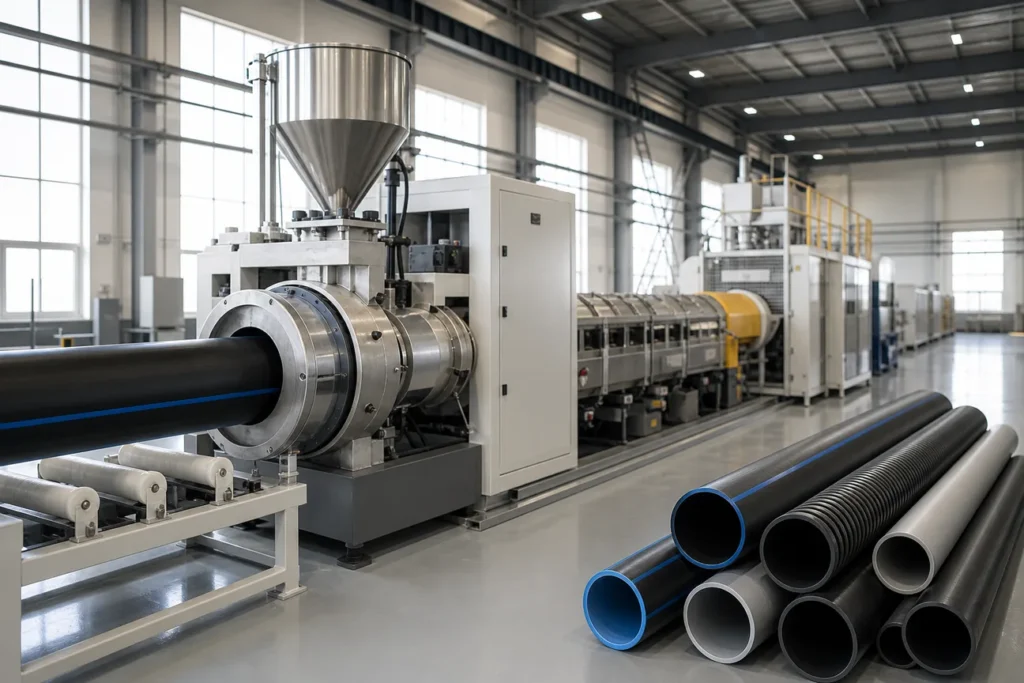
Choosing the right plastic pipe extrusion machine can feel like a gamble, but you don’t have to guess. Below is a curated shortlist of the most capable machines on the market today, so you can match specs to your production needs.
1. Plastivo Extrusions (Our Top Pick) , Full‑line pipe extrusion solutions from Gujarat
Plastivo Extrusions builds complete pipe‑making lines in Vatva, Gujarat. It suits small‑to‑mid‑size plants that need durability and a proven supply chain in India, Kenya, Nigeria, South Africa, and the UAE. The line offers nitrided and bimetallic screw barrels , the only option in our data set that mentions barrel treatment, which helps extend barrel life in abrasive mixes. It also ships with a PLC‑controlled melt zone, so operators can keep temperature tight without extra hardware. The downside is a modest output of 80‑120 kg/h, so very high‑volume plants may look elsewhere. Key takeaway: If barrel wear is a pain point, this system gives you a rare durability edge.
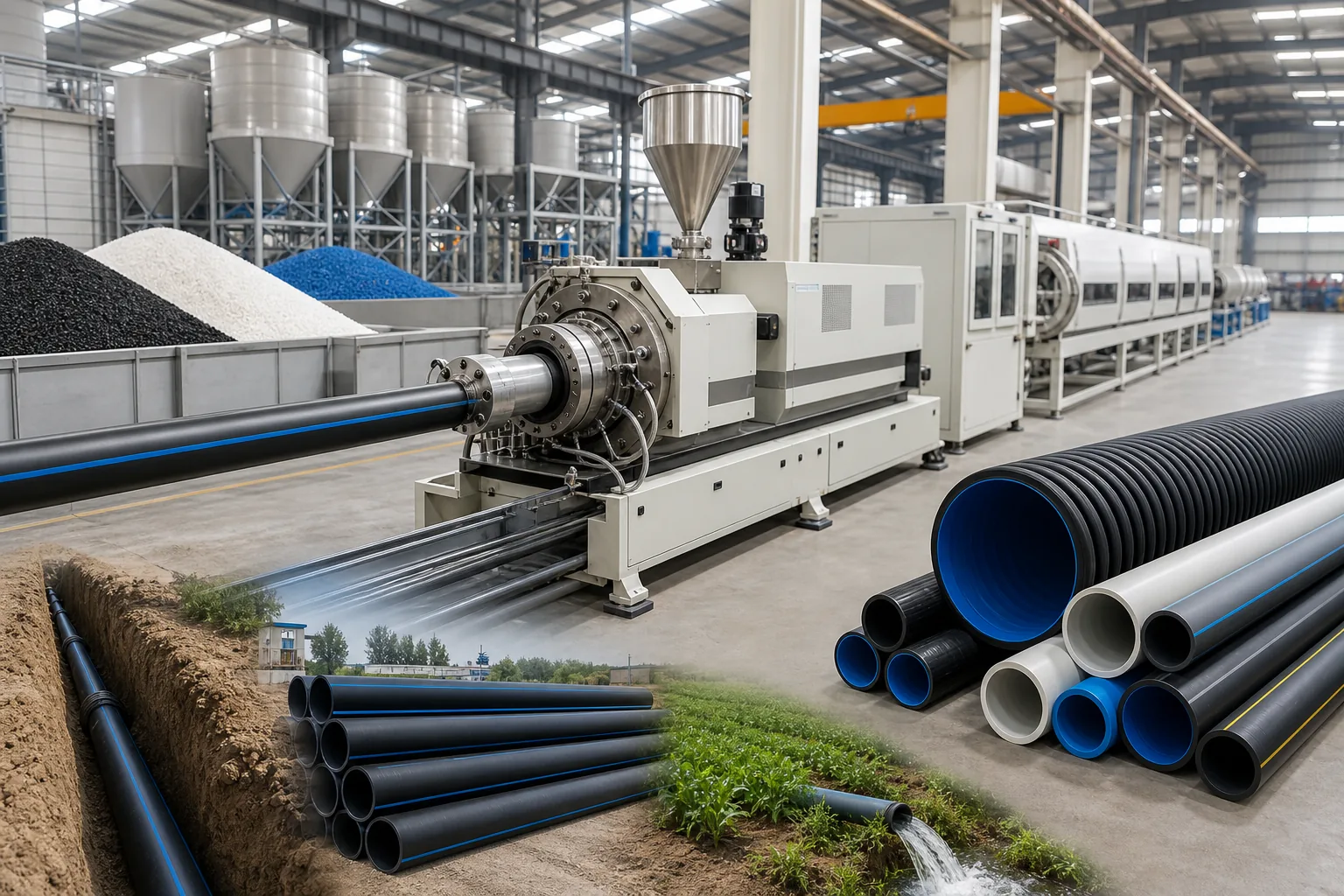
2. Jwell SJ-80 , High‑throughput reliability, 720 kg/h output
The Jwell SJ‑80 pushes 720 kg of PVC or PE per hour, making it a workhorse for large municipal water projects. Its twin‑screw design keeps melt temperature steady, which reduces flash and improves pipe wall consistency. The machine includes a CE‑certified control panel and a heavy‑duty gearbox that tolerates long runs without overheating. It shines where speed matters more than barrel longevity. A potential drawback is the higher energy draw compared with lower‑capacity units. Takeaway: Pick this if you need volume and can handle the power bill.
3. Modular screw extrusion machine – quick change‑over
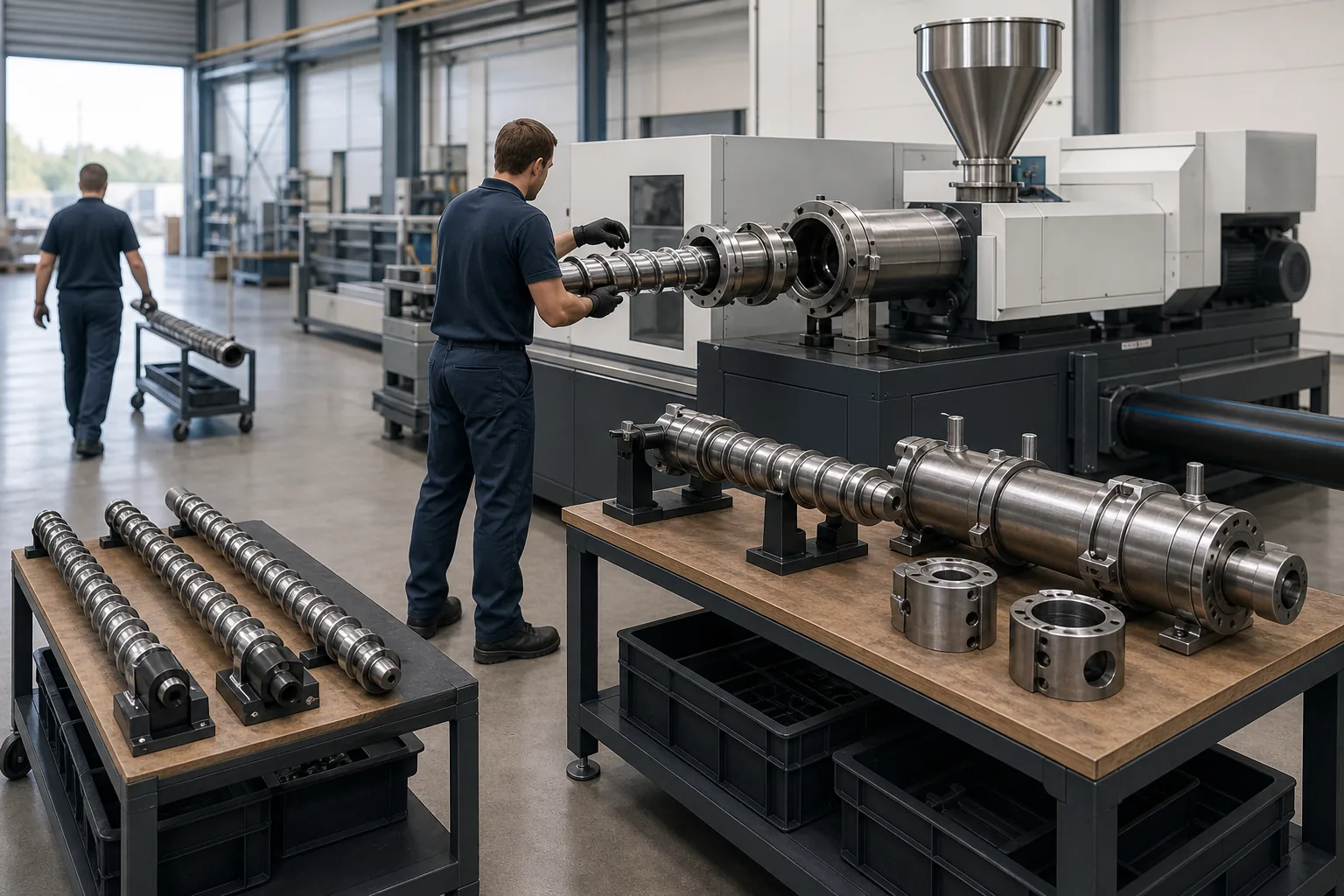
A modular screw extrusion machine allows screw changes in under an hour thanks to a barrel that accepts both single‑ and twin‑screw modules. This flexibility supports plants that run multiple pipe grades or need to switch between PVC and HDPE on short notice. The compact footprint fits tighter shop floors, and the steel‑to‑steel construction resists wear. Because the design focuses on adaptability, the unit’s top speed is competitive with other mid‑range lines. Pipe Making Machine – Plastivo Extrusions notes that modularity can substantially reduce change‑over downtime.
4. KraussMaffei KMD 73 , Direct‑drive servo system for precise melt control
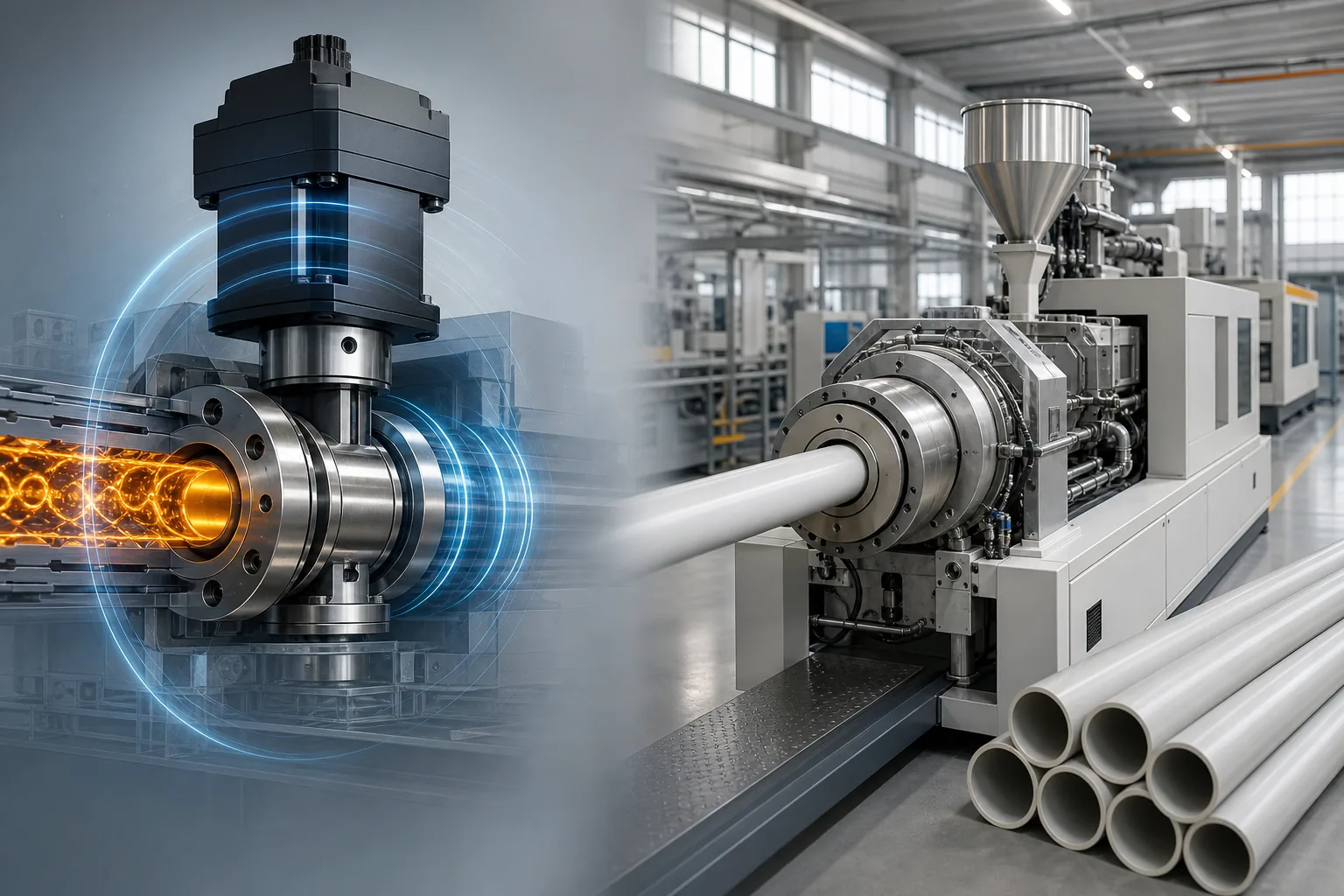
KraussMaffei’s KMD 73 uses a direct‑drive servo motor that adjusts torque in real time, keeping melt temperature within ±2 °C. That precision reduces PVC degradation and helps meet strict dimensional tolerances for pressure‑rated pipes. The machine also offers a high L/D ratio screw, which improves residence time without sacrificing output. It delivers a competitive throughput for mid‑range applications. The main trade‑off is a higher upfront cost, which smaller shops may find hard to justify. Servo drives can lower long‑term energy use by up to 15 %.
5. JianTai SJSZ-65/132 , Energy‑efficient twin‑screw, 12 kW, 400 kg/h
The JianTai SJSZ‑65/132 balances power and output, using just 12 kW to produce 400 kg/h of pipe. Its twin‑screw geometry provides thorough mixing for PVC blends that contain fillers or recycled content. The low‑energy design cuts utility bills, which matters for plants in regions with high electricity rates. However, the machine’s maximum diameter is limited to 200 mm, so very large‑diameter applications may need a bigger line.
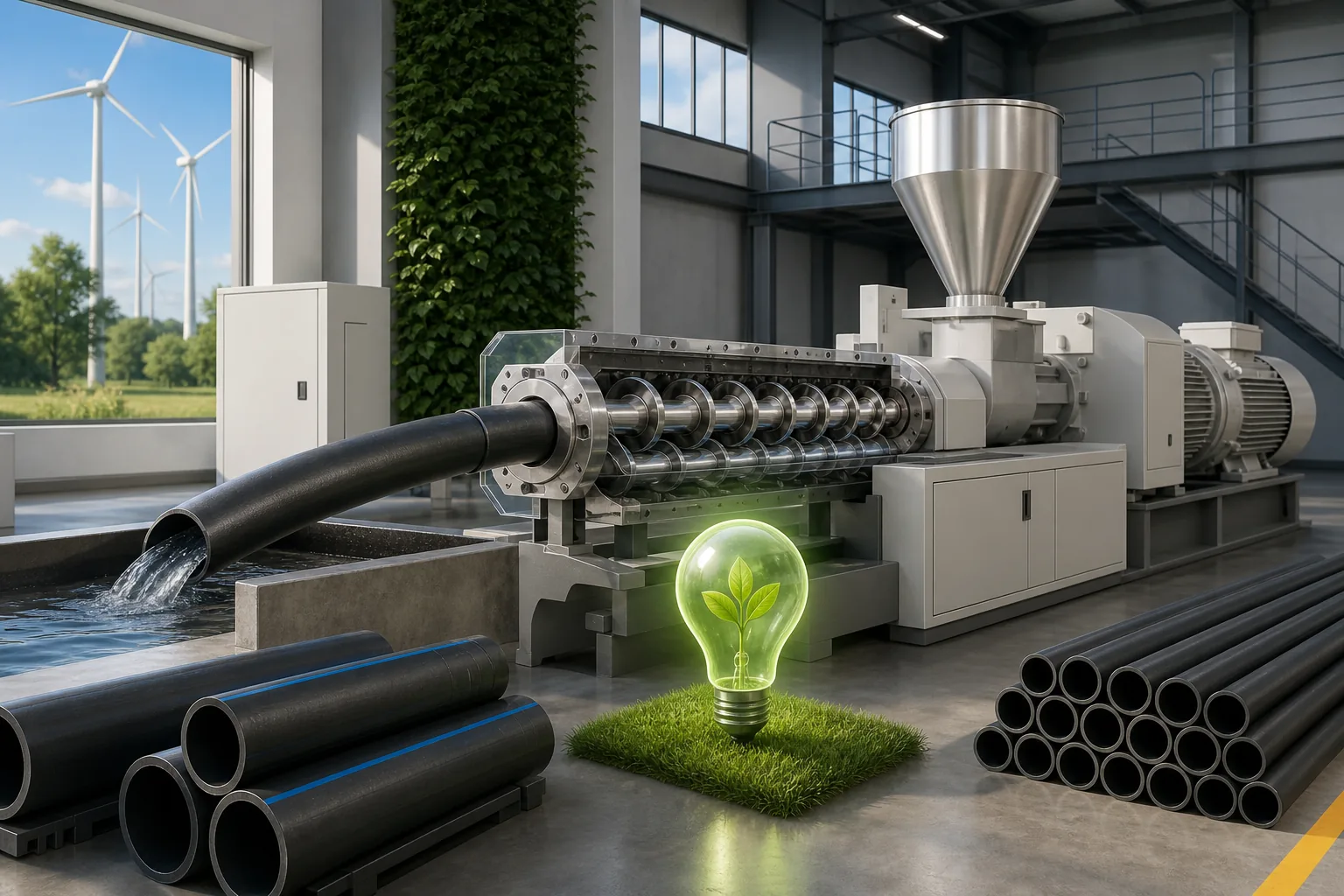
6. Battenfeld‑Cincinnati solEX NG , Grooved feed for high‑performance large‑diameter pipes
solEX NG upgrades the feed section with a grooved bushing that reduces slip and keeps melt flow steady even at diameters up to 630 mm. That feature lets the line handle high‑pressure water mains without frequent feed‑line jams. Energy consumption is reduced compared to older models, thanks to an insulated barrel and optimized screw profile. The system is priced for medium‑to‑large plants; the larger die heads add cost. The grooved feed section improves material handling for recycled feedstock.
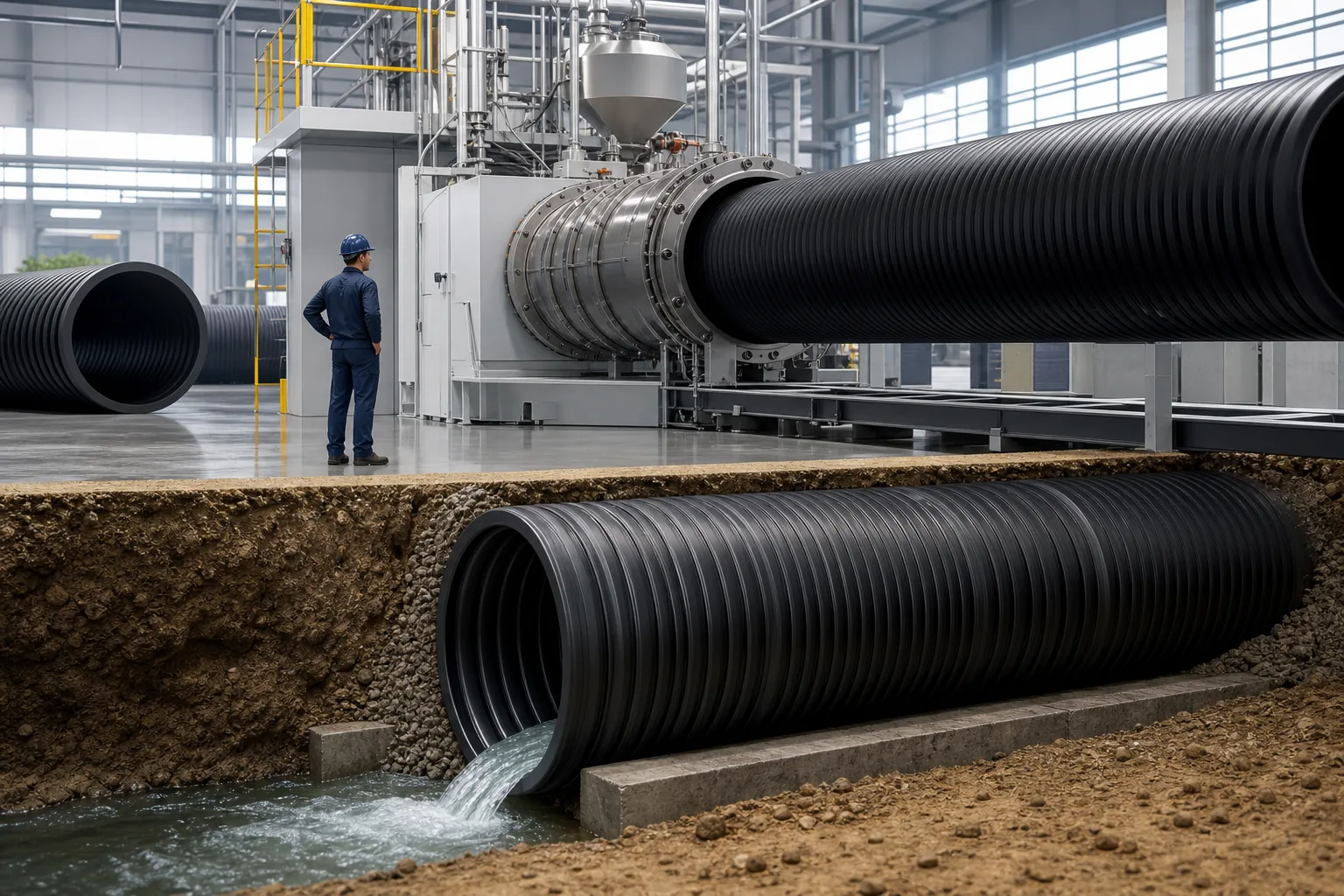
7. Windsor Machines VST 630 , Optional ultrasonic wall‑thickness sensor
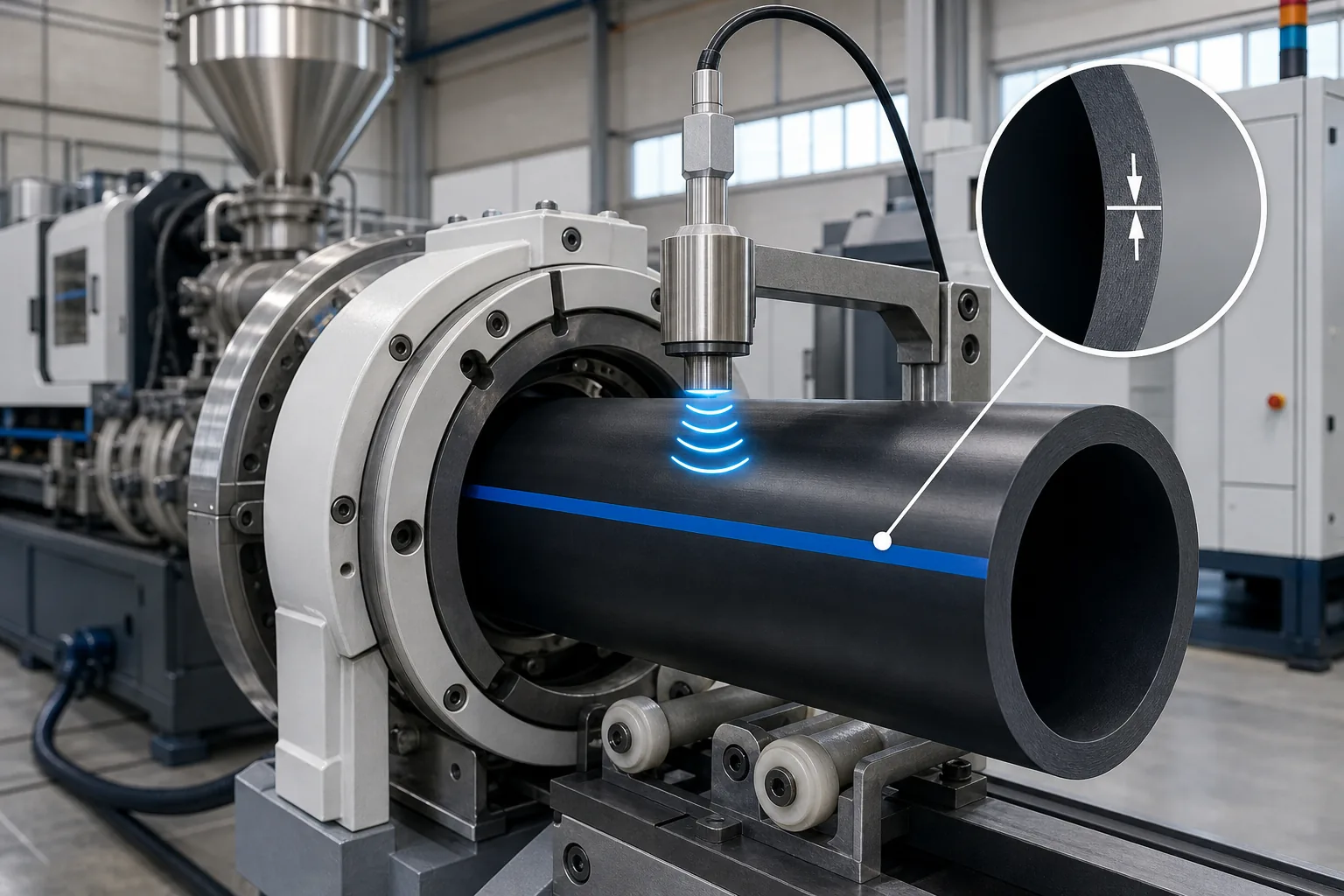
Windsor’s VST 630 can be fitted with an ultrasonic sensor that measures pipe wall thickness on the fly. The sensor alerts operators if the wall deviates more than 0.5 mm from the set point, preventing costly re‑work. The base machine runs at 500 kg/h and supports dies up to 300 mm OD. If you don’t need the sensor, you can skip the optional kit and lower the price. The machine’s servo drive is optional, giving buyers a choice between manual and automated speed control.
8. Windsor Machines P-200 , Trolley base for easy shop‑floor relocation
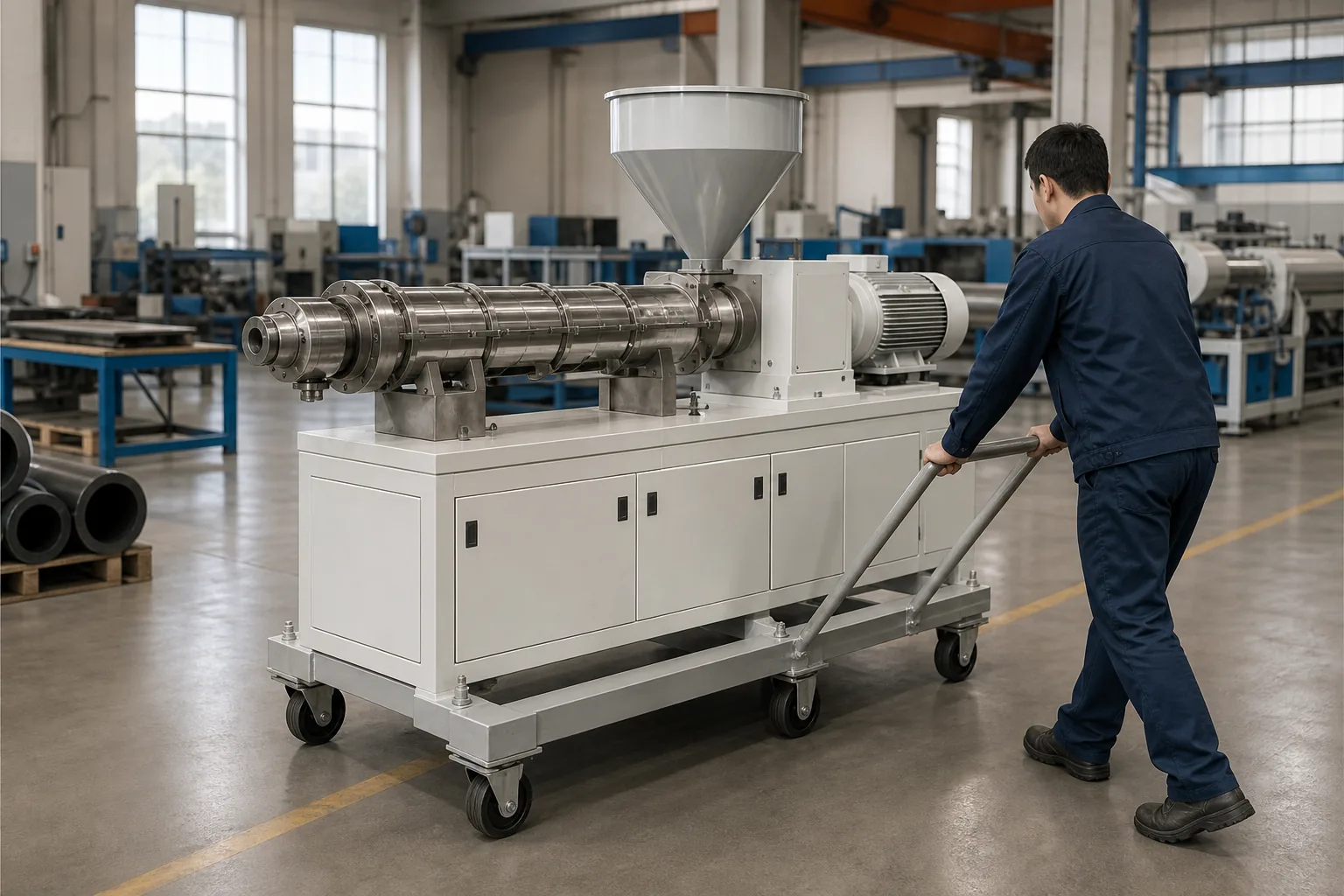
The P‑200’s standout is its trolley‑mounted frame, which rolls on lockable wheels. That design lets factories move the line to a new bay or re‑configure the layout without a crane. Output caps at 350 kg/h, making it a good fit for pilot plants or contract manufacturers that shift between product runs. The trade‑off is a slightly larger footprint when the trolley is locked in place.
9. Leistritz ZSE 60 MAXX , 40:1 L/D ratio, 800 kg/h throughput
Leistritz’s ZSE 60 MAXX boasts a 40:1 screw L/D ratio, which extends melt residence time and boosts homogeneity. The machine can push 800 kg/h, the highest output in this list, making it ideal for high‑demand utilities. Energy use is not disclosed, but the large L/D often means higher motor load. The unit’s size requires a spacious plant floor and a strong foundation.
PVC Pipe Making Machine Price Guide 2026
10. Leistritz ZSE 75 MAXX , High free‑volume design for increased throughput
The ZSE 75 MAXX improves on the 60 model with a free‑volume screw that reduces melt pressure while keeping output above 850 kg/h. The design helps when processing highly filled PVC compounds, as it lessens torque spikes. Like its sibling, the machine is large and best suited for plants with ample space and a solid power grid.
How to Choose the Right Plastic Pipe Extrusion Machine
- Define your target output (kg/h) and pipe diameter range.
- Check whether you need barrel nitriding or other wear‑resistant features.
- Match screw L/D ratio to material viscosity and mixing requirements.
- Consider energy consumption versus local utility rates.
- Look for optional accessories like ultrasonic sensors or trolley bases that fit your workflow.
FAQ
What is a plastic pipe extrusion machine?
A plastic pipe extrusion machine melts plastic resin and forces it through a shaped die to produce continuous pipe. The process combines heating, mixing, and pressure control to achieve consistent wall thickness.
How much does a typical extrusion line cost?
Cost varies widely; small lines start at a modest investment and high‑throughput units can be significantly more expensive. Prices depend on capacity, automation level, and optional accessories.
Can I run recycled material on these machines?
Yes, most modern twin‑screw lines handle recycled blends well, but you may need a pre‑drying system to avoid moisture‑related defects.
What maintenance does the screw barrel need?
Regular inspection for wear, cleaning of screen packs, and occasional re‑nitriding (if applicable) keep the barrel running smoothly. Replace worn screws before they cause uneven melt.
Is energy consumption a major factor?
Energy use can represent up to 30 % of operating costs. Machines with servo drives or optimized screw designs, like the KraussMaffei KMD 73, often reduce electricity use.
Ready to cut downtime and boost pipe quality? Start a free consultation with Plastivo Extrusions today and let our team design a line that fits your budget and production goals.