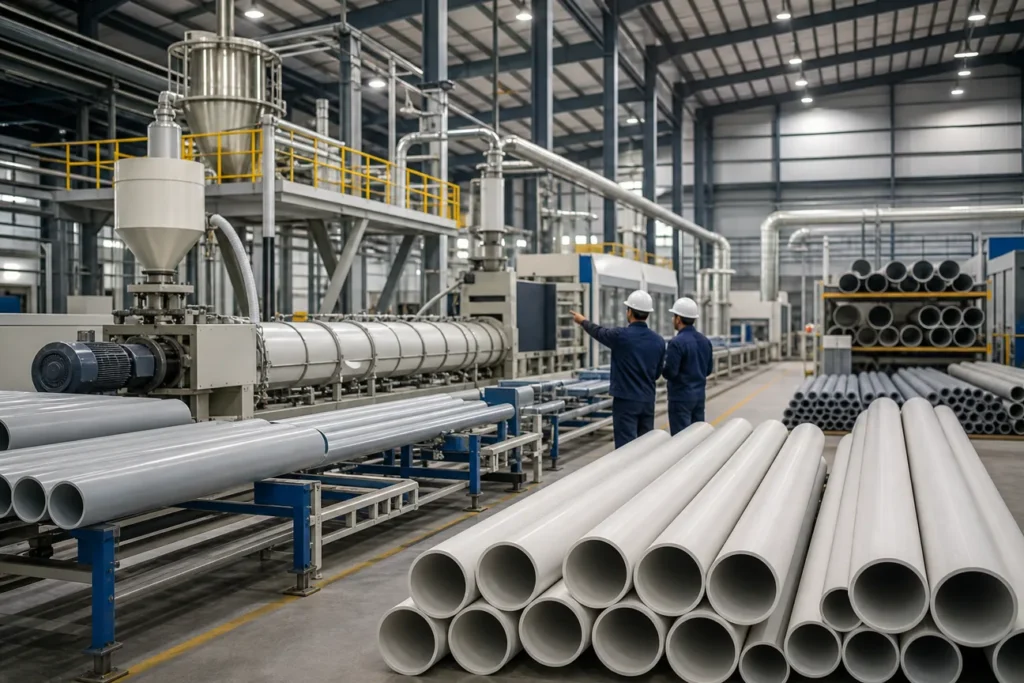
Need a PVC pipe plant that can keep up with demand and stay reliable? Here are the five options we trust, and who each one works best for.
1. Plastivo Extrusions (Our Top Pick) , Full‑line PVC plant with custom L/D ratios
Plastivo Extrusions builds complete PVC pipe lines in Vatva, Gujarat. The line includes a nitrided screw barrel, a twin‑screw extruder, a die head that swaps size on the fly, and a fully automated haul‑off. It’s a solid fit for growers, municipal water utilities, and mid‑size builders who need flexibility across diameters.
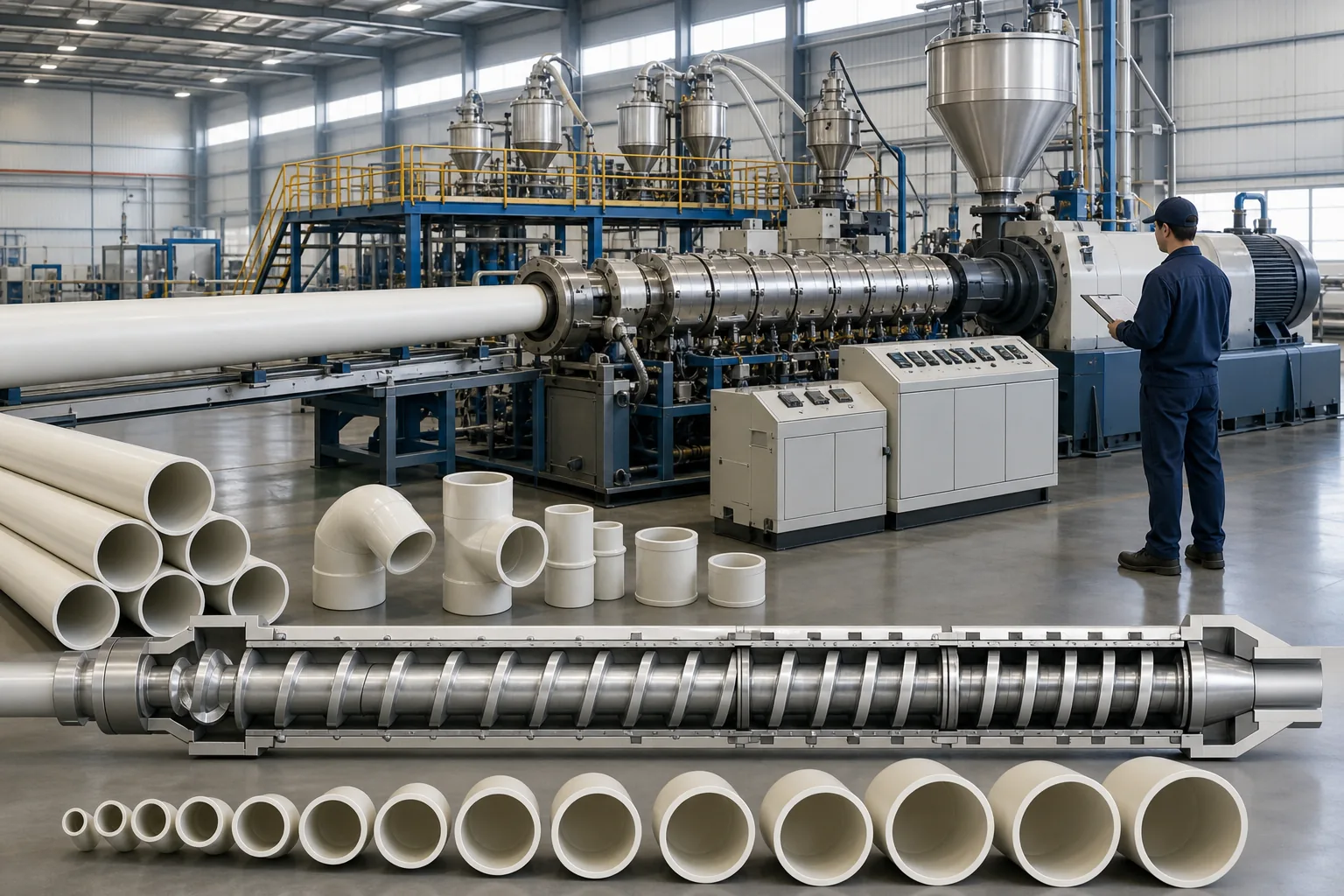
What sets Plastivo apart is the ability to tune the L/D (length‑to‑diameter) ratio of the screw to match the melt viscosity of your resin. That means smoother melt, fewer melt‑breaks, and tighter wall‑thickness control. The company also offers on‑site training for your operators, which shortens the learning curve.
Because the plant is built in India, the price stays competitive without sacrificing quality. Export‑ready units ship to Kenya, Nigeria, South Africa, and the UAE with full documentation. PVC Garden Pipe Making Plant details the same chassis used for irrigation and garden‑hose production, proving the platform can handle both low‑pressure and high‑pressure runs.
One caveat: the standard package comes with a single‑speed drive. If you need variable‑speed control you’ll add a VSD module, which raises the cost a bit but pays back in energy savings.
2. Integrated PVC Plant with high‑speed extruders
The line uses a 65 mm, 40 rpm twin‑screw extruder. The high‑speed design pushes output past 200 kg/hr for standard schedules, making it a good match for large‑scale irrigation projects in Gujarat and Tamil Nadu.
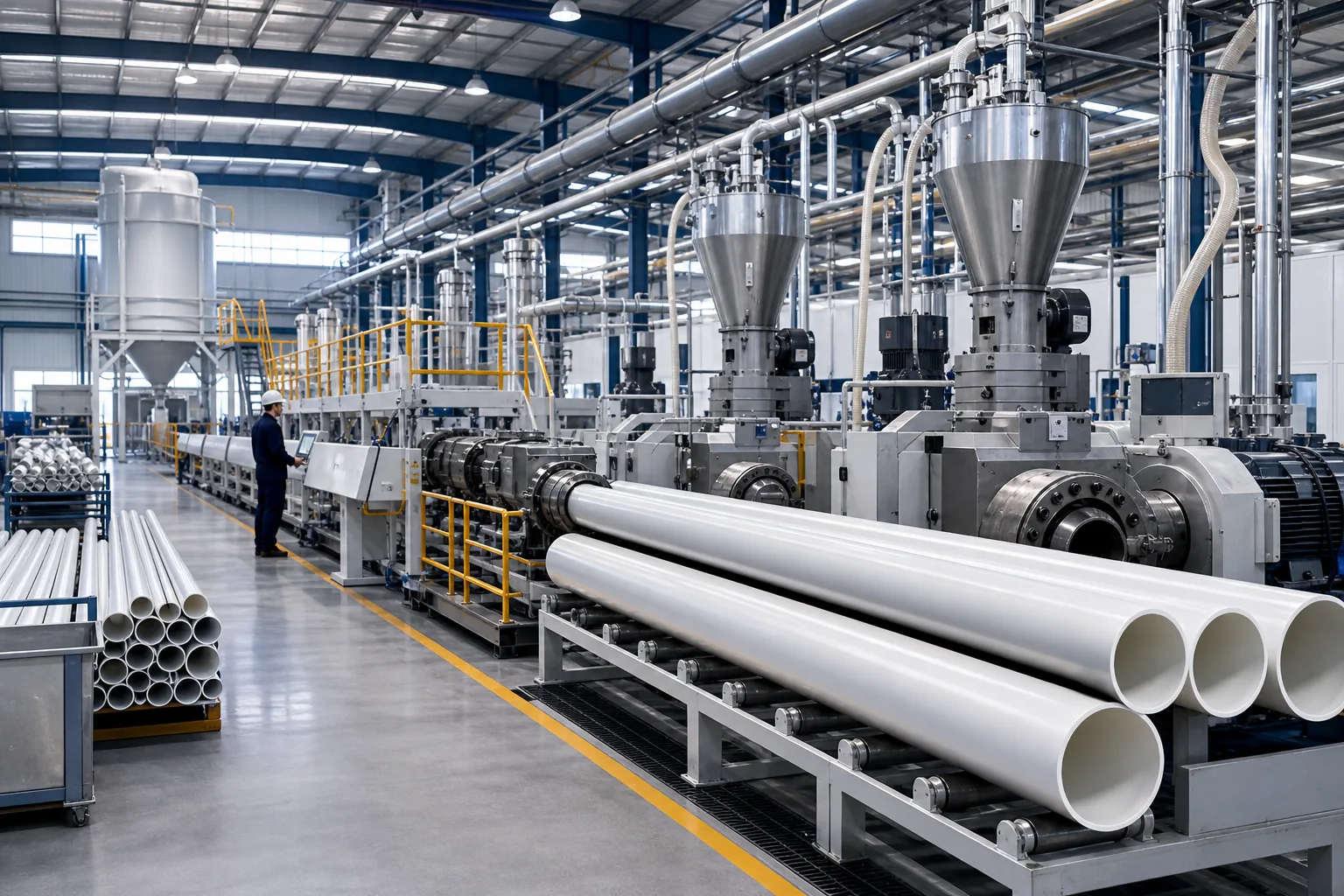
The plant includes a modular die‑head library, allowing profile swaps without halting the line, which reduces downtime per change. Barrel nitriding reduces wear, extending barrel life under the high shear of fast extrusion.
It ships with a basic PLC control panel; an upgrade to a full SCADA system is available for remote monitoring, providing real‑time melt‑temperature graphs.
Caveat: the standard warranty covers only 12 months for the drive motor. Continuous operation may require a longer service contract.
3. Modular PVC pipe plant with low‑maintenance design
The modular plant can be expanded in 20‑ton increments. Its design uses a single‑screw extruder with a low‑friction ceramic barrel, reducing routine clean‑outs.
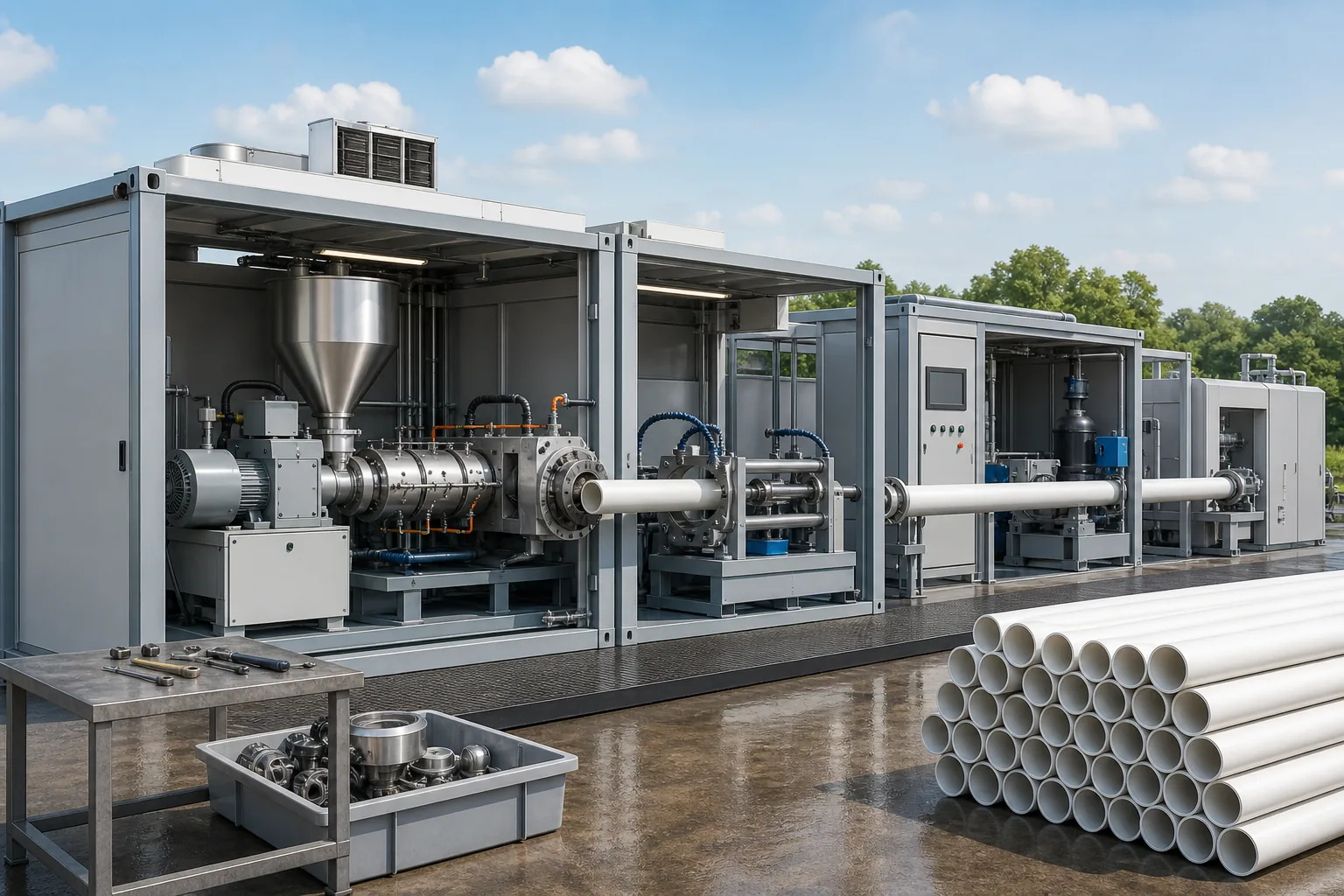
The plant can run at 150 kg/hr while keeping energy consumption under 0.12 kWh and has demonstrated a 98 % uptime record, supporting the low‑maintenance claim.
The modular approach lets you add a second die head later for larger diameters without rebuilding the whole line. That makes it a fit for agribusinesses that start small and grow.
Watch out for the limited L/D ratio range, the single‑screw design can’t handle very high‑viscosity compounds, so it’s less suited for specialty PVC blends.
4. Cost‑effective PVC plant for medium volumes
The plant balances cost and capacity. It runs at about 120 kg/hr and includes a standard die head, a basic PLC, and a manual hopper. The price point makes it attractive for contractors in Kerala and Tamil Nadu who need a reliable line without a huge upfront spend.
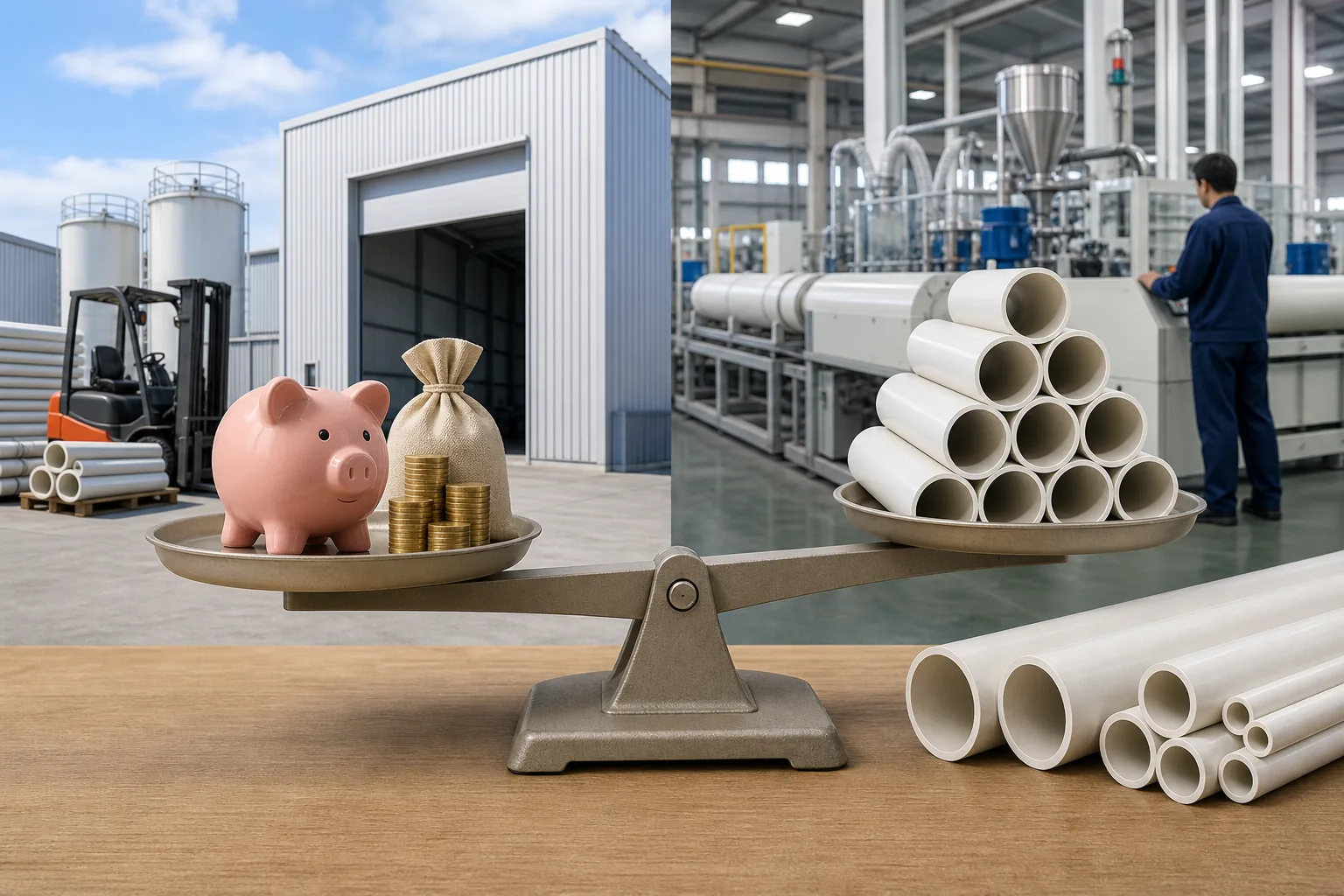
The system’s simplicity means it can be installed in a compact workshop space, fitting many existing facilities.
Energy use sits around 0.15 kWh per kilogram, a bit higher than premium lines but still competitive for the market segment.
One limitation: the plant lacks an automated die‑head changer, so you’ll need to schedule production runs around tool changes.
5. High‑output PVC pipe plant with automated die heads
A twin‑screw extruder delivers high output, with automated die‑head swapping that allows transition from 100 mm to 250 mm pipe without stopping the line.
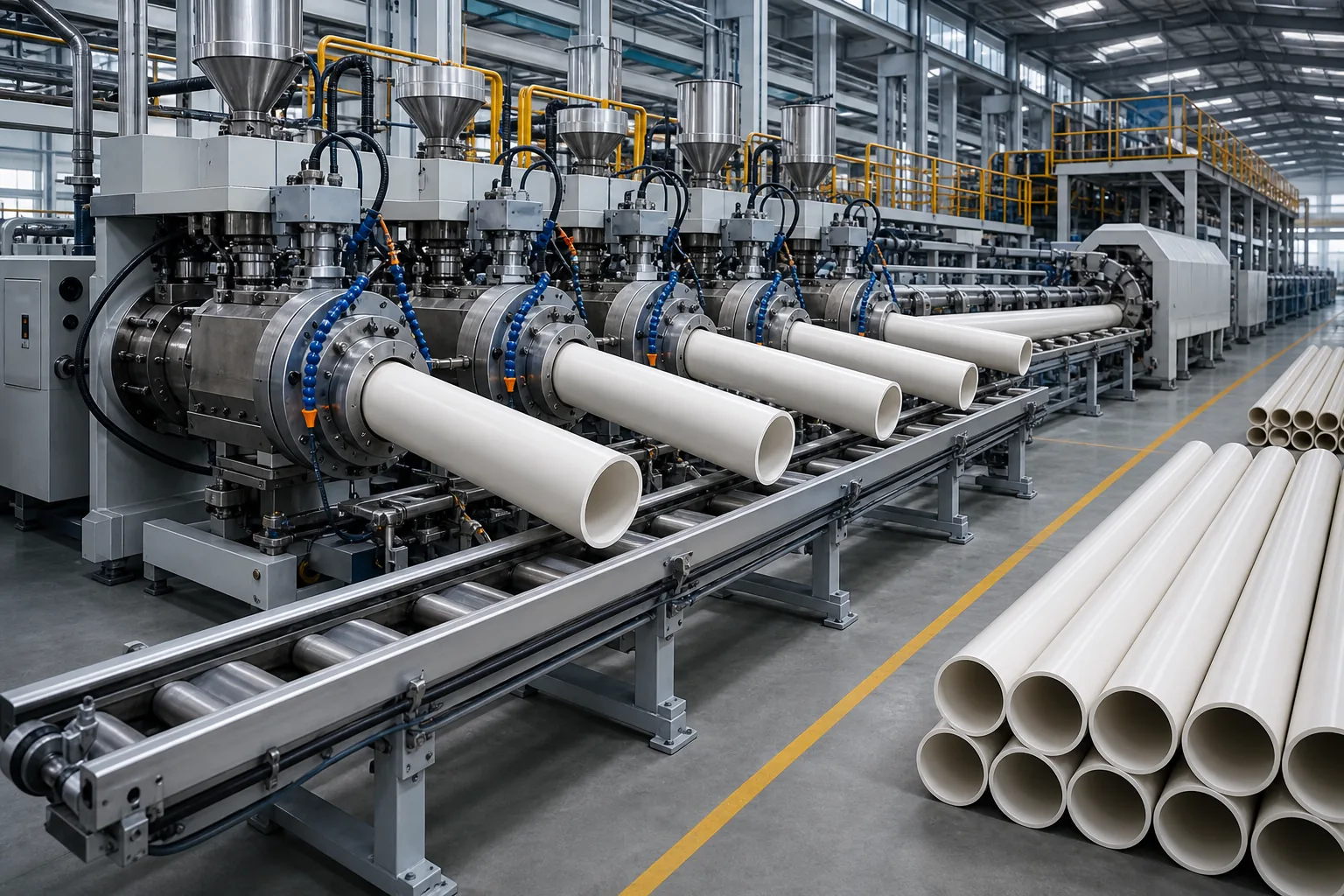
The screw geometry is optimized for consistent melt flow and throughput. Detailed calculations are available from the equipment supplier.
The plant also includes an IoT‑enabled control panel that logs temperature, pressure, and motor current. The data can support a predictive‑maintenance routine, helping to reduce downtime.
Advanced controls can lower energy consumption compared with conventional setups. High output does increase barrel wear; the standard warranty covers barrel nitriding, with replacement options as needed.
How to Choose the Right PVC Pipe Plant , Buyer’s Checklist
Picking a plant is a big decision. Use this checklist to compare the options you care about.
- Capacity: Match the plant’s kg/hr rating to your forecasted volume for the next 2‑3 years.
- Flexibility: Look for adjustable L/D ratios, interchangeable die heads, and modular add‑ons.
- Energy use: Check specific energy consumption (kWh per kilogram). Lower numbers cut operating cost.
- Control system: PLC vs. SCADA vs. IoT‑enabled dashboards. More data usually means less waste.
- Service network: Does the supplier have local service teams in Gujarat, Kerala, or Kenya?
- Warranty & support: Note what’s covered for the drive, barrel, and control electronics.
Score each plant on a 1‑5 scale for the items above. The highest total points usually points to the best overall fit.
Comparison Table , Key Specs of the 5 PVC Pipe Plant Options
All specs are based on our calculations and available data. Use the table to spot the trade‑offs that matter most to your project.
FAQ
What is the typical lead time for a PVC pipe plant?
Lead times range from eight to twelve weeks for standard lines, but customized L/D ratios or automated die heads can push the schedule to 16 weeks. Most suppliers, including Plastivo, ship a fully assembled line once the factory acceptance test passes.
Can I run both PVC and CPVC on the same line?
Yes, if the extruder’s temperature zones can be tuned separately. You’ll need a barrel that tolerates higher melt temperatures for CPVC; Plastivo’s nitrided barrels handle up to 260 °C, which covers both grades.
How much space does a 150 kg/hr plant need?
A 150 kg/hr line requires a sizable area, including space for raw‑material storage, the extruder, cooling water tanks, and a haul‑off unit. The exact footprint depends on whether you add a second die head or a packaging line.
What energy‑saving options exist?
Variable‑speed drives (VSDs) and segmented barrel heating can reduce energy use compared with fixed‑speed, single‑zone heaters.
Do these plants meet international standards?
All five suppliers design to ISO 9001 and ISO 14001. For pressure‑rated pipe, they also follow ISO 4422‑2 for PVC pipe dimensions and performance.
Conclusion
For most mid‑size projects, Plastivo Extrusions gives the best mix of output, flexibility, and local support. If you need a faster line or automated die swaps, higher‑capacity extrusion lines with automated die change systems are solid follow‑ups. Ready to move forward? Explore the full product catalog and request a free engineering quote today.