Trying to buy a PVC pipe making machine and wondering what the price really means? We’ve pulled the latest data, cut through the opacity, and laid out the facts you need to decide.
Overview of PVC Pipe Making Machines
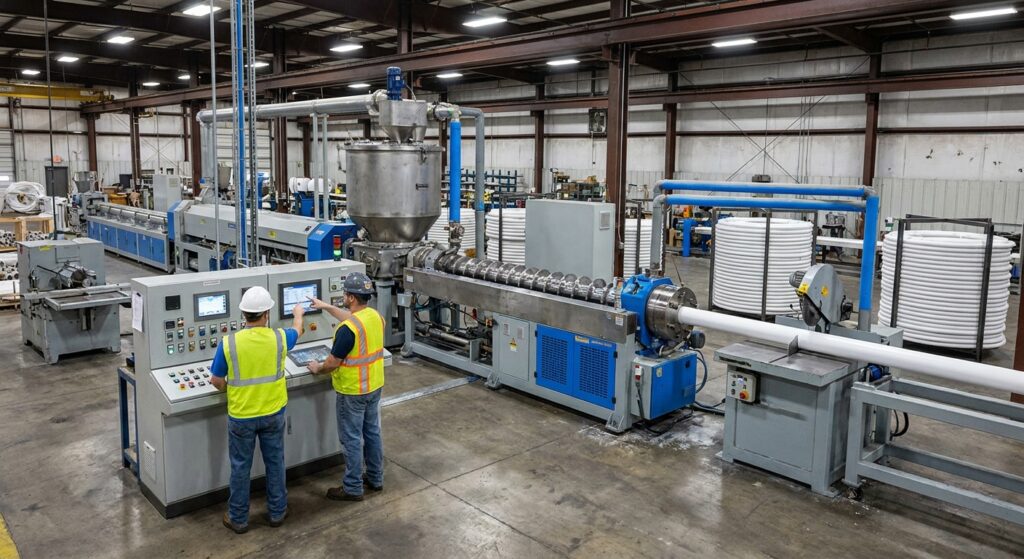
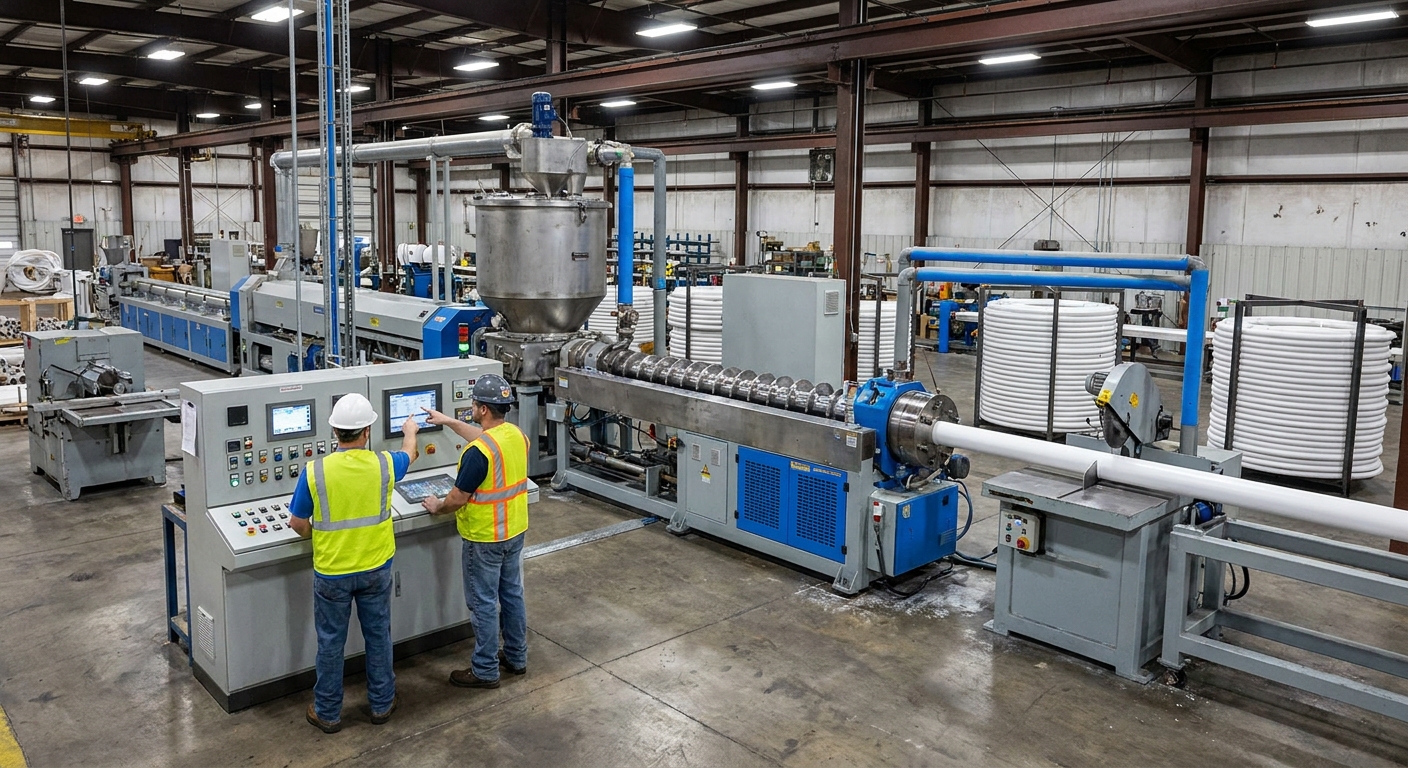
At a glance, a PVC pipe making machine is an extrusion line that melts plastic, forces it through a die, and cuts the resulting pipe to length. The line can be single‑screw or twin‑screw, fully automatic or semi‑automatic, and it may include downstream cutters, calibrators and haul‑off units.
Our top pick is the PVC Conduit Pipe Making Machine from Plastivo Extrusions. It ships from Gujarat, India, and is built for high‑volume production with a touchscreen PLC, alarm systems and a low‑maintenance design. Small‑scale producers in Kenya or Nigeria often start with a 150 kg/h model, while larger plants in the UAE choose a 600 kg/h configuration.
Most machines on the market today run automatically , a fact we uncovered while scanning 17 listings from China and India. Automation means you don’t need a skilled operator on every shift, which can lower labour costs dramatically.
Energy use varies widely. Some machines draw as little as 37 kW for 250 kg/h, while others consume around 120 kW for similar output. That difference can swing your electricity bill by thousands of rupees each year.
Price Ranges & Cost Drivers
Because manufacturers keep price sheets private, most quotes arrive after a formal request. What you’ll see on paper depends on capacity, power draw, automation level and the country of origin.
In the 2024‑2026 market, pricing for a 200 kg/h single‑screw line varies widely based on specifications and supplier. Scaling up to 500 kg/h naturally raises the investment required. Twin‑screw designs, which handle tougher mixes, typically carry a higher premium than comparable single‑screw models.
Beyond the extruder, the die head, calibration table, haul‑off unit and cutting system each add a significant additional cost. Custom dies for special diameters or wall thicknesses are especially pricey.
Automation isn’t free. Adding a PLC‑controlled touchscreen increases the overall package cost. The upside is reduced scrap and steadier output, which can improve overall profitability.
Geography matters too. Machines from different regions can differ substantially in price, with some markets offering lower‑cost options and others commanding higher rates for comparable capacity.
Key Specifications to Evaluate
When you compare machines, focus on five specs that directly affect productivity and cost.
Output capacity, measured in kilograms per hour (kg/h). Choose a line that matches your target volume plus a 20 % safety margin for peak demand.
Power consumption, expressed in kilowatts (kW). Lower kW per kg/h means less electricity spend. For example, a typical machine may run at around 37 kW for 250 kg/h, whereas a larger line might require about 120 kW for 400 kg/h.
Screw L/D ratio, the length‑to‑diameter ratio influences melt homogeneity. A higher ratio (e.g., 30:1) gives better plasticisation but requires more space.
Barrel material, nitrided barrels resist wear and extend life, especially when you process recycled feedstock.
Control system, a modern PLC with a touchscreen lets you store recipes, monitor temperature zones and log downtime.
We recommend checking the Single Screw Extruder Machine page for a detailed spec sheet that lists L/D ratios, barrel zones and power curves.
Understanding these numbers helps you avoid a machine that looks cheap but ends up costing more in energy and maintenance.
ROI, Payback & Financing Options
Investing in a PVC extrusion line is a big capital outlay, but the return can be rapid if you size the line right.
Assume a 300 kg/h line that sells pipe at $2 per kilogram. Annual revenue at 85 % uptime is roughly $1.3 million. Subtract raw material, electricity (around $0.08 kWh for a low‑power line), and labour, and you’re left with a gross margin of 30‑40 %.
Based on typical equipment costs, the simple payback period often falls in the 2‑3 year range. Adding a financing lease can spread payments over five years, keeping cash flow stable while you build market share.
Many buyers in South Africa and the Gulf turn to local banks that offer equipment‑finance packages tied to export credit guarantees. These often require a down‑payment of 20‑30 % and a fixed interest rate.
Don’t forget after‑sales service. A machine with a strong warranty and quick spare‑part delivery can shave weeks off downtime, improving ROI.
Maintenance, Troubleshooting & After‑Sales Support
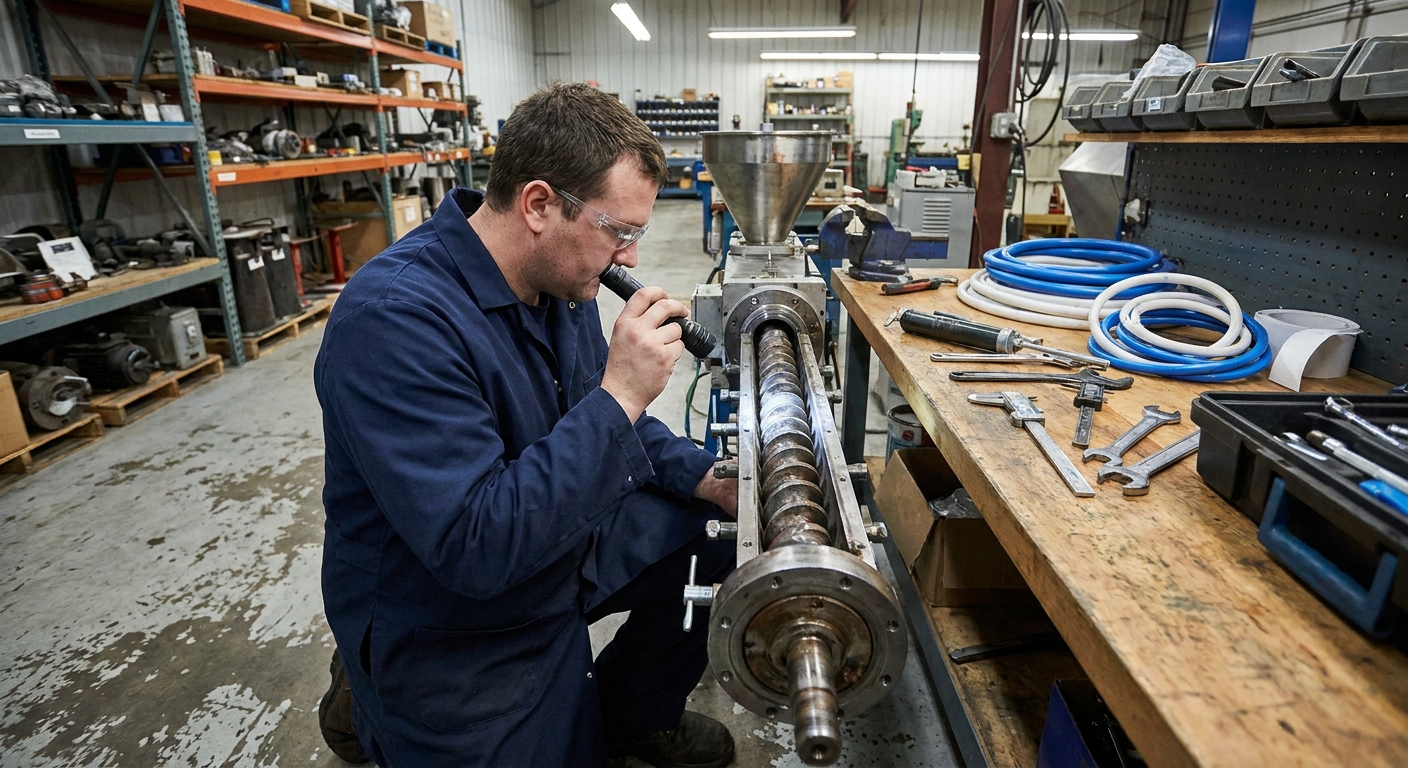
Even the best‑built extrusion line needs routine care. Daily checks of temperature zones, screw wear and die alignment keep product quality high.
Typical preventive maintenance includes cleaning the barrel, lubricating bearings and inspecting the screw for wear every 1,000 hours of operation. Skipping these steps can cause uneven melt, leading to rejected pipe and higher scrap rates.
When a fault pops up, most modern lines flash an alarm code on the PLC screen. Common issues are overheating (often due to clogged filters) and screw blockage (usually from foreign material in the feed).
Plastivo Extrusions backs every machine with a 12‑month on‑site service contract and a network of spare‑part depots across India, Kenya, UAE and Nigeria. Their engineers can travel to your plant within 48 hours, minimizing lost production.
For more on how to keep your line humming, see the Pipe Haul‑Off Machine page, which details recommended lubrication intervals and diagnostic procedures.
FAQ
What is the typical price range for a new PVC pipe making machine?
Pricing varies widely based on capacity, screw configuration, and automation level; contact Plastivo Extrusions for a detailed quotation.
How much electricity does a PVC extrusion line consume?
Electrical consumption depends on line capacity and design; smaller single‑screw lines use less power, while larger twin‑screw systems require proportionally more.
Can I finance a PVC pipe making machine?
Yes, many banks in India, Kenya, UAE and South Africa offer equipment‑finance leases with 20‑30 % down‑payment and fixed rates over 3‑5 years.
What maintenance schedule should I follow?
Perform daily temperature checks, clean the barrel weekly, and conduct a full inspection every 1,000 hours of run time to avoid wear‑related downtime.
Is after‑sales support important?
Absolutely. A responsive service contract can get a technician on site within 48 hours, which dramatically reduces lost production during breakdowns.
Conclusion
We recommend starting with Plastivo Extrusions’ PVC conduit line for its balance of price, efficiency and support. Contact our sales team to request a detailed quote and explore financing options that fit your budget.