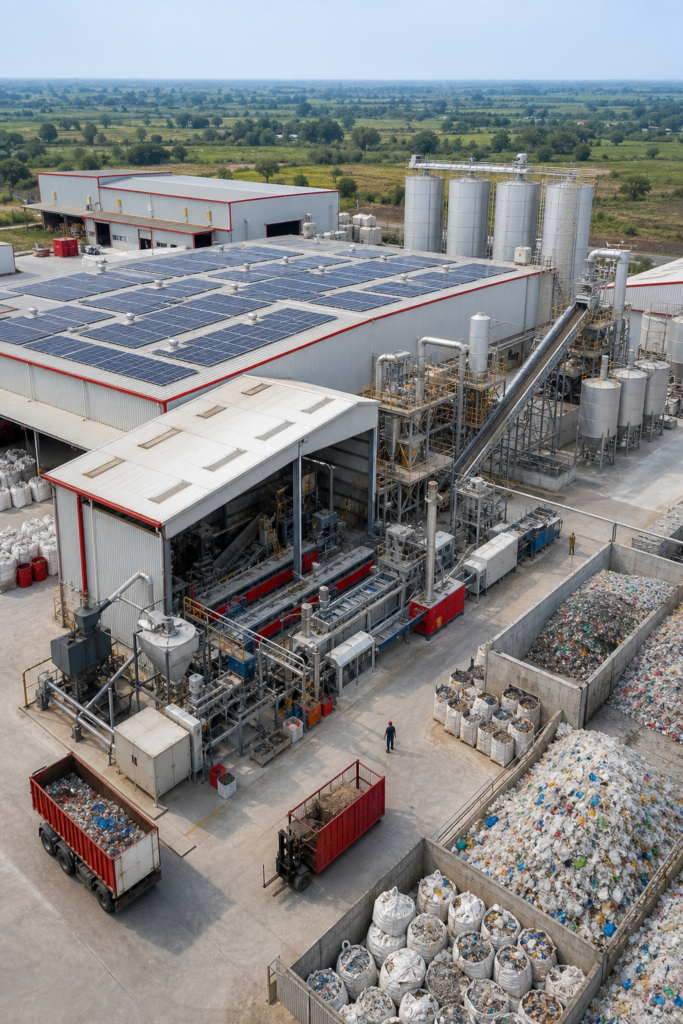
Starting a plastic recycling plant feels like a big leap. You want to know exactly where every rupee goes before you sign a contract. Below we break down the cost drivers, the big‑ticket items, the ongoing bills, and the ways you can keep the numbers in check.
1. Understanding Plastic Recycling Plant Cost Drivers
At the top level, the total spend splits into capital costs (the machines and building) and operating costs (energy, labor, upkeep). Both buckets are influenced by the type of plastic you process , PET bottles need different screw designs than mixed HDPE film, for example , and by the scale you aim for, measured in kilograms per hour.
Material handling equipment, shredders, granulators, and extrusion lines each add a layer of expense. A plant that handles multiple streams often needs extra sorting stations, which pushes the upfront bill higher but can improve feedstock quality later on.
Energy use is another driver. The EPA notes that recycling plastics saves up to 75% of the energy compared with virgin production, but the plant still draws power for melt zones, conveyors, and dryers. Labor costs vary by region , a plant in Gujarat may pay less per shift than one in the UAE , but skilled operators are essential for smooth runs.
Maintenance frequency and the choice of wear‑resistant components (like nitrided barrels) affect long‑term spend. A well‑engineered screw barrel can cut downtime by half, which translates directly into higher throughput and lower per‑ton cost.
2. Capital Expenditure (CAPEX): Machinery and Infrastructure
CAPEX is the biggest chunk of the budget. The core of any plant is the extrusion line , a single‑ or twin‑screw extruder that melts and reshapes the plastic. Plastivo Extrusions supplies extrusion systems that combine a high‑L/D ratio screw with precision‑engineered barrels, which helps you hit target melt temperatures without excessive energy waste.
Beyond the extruder, you’ll need a shredder, a washing line, a dryer, and a pelletizer. Each unit carries its own price tag, but they also determine the plant’s capacity. A 500 kg/hr line typically costs between ₹2 crore and ₹4 crore for the core equipment, while a 1 000 kg/hr setup can push past ₹7 crore.
The building itself adds to the bill , you need a concrete‑slab floor, ventilation, and waste‑water treatment. In India, industrial construction runs roughly ₹1 500, ₹2 000 per square foot, so a 10,000 sq ft plant can add another ₹1.5 crore.
Don’t forget the control system. Modern PLC‑based panels let you monitor temperature, screw speed, and torque in real time, cutting waste and preventing costly overruns.
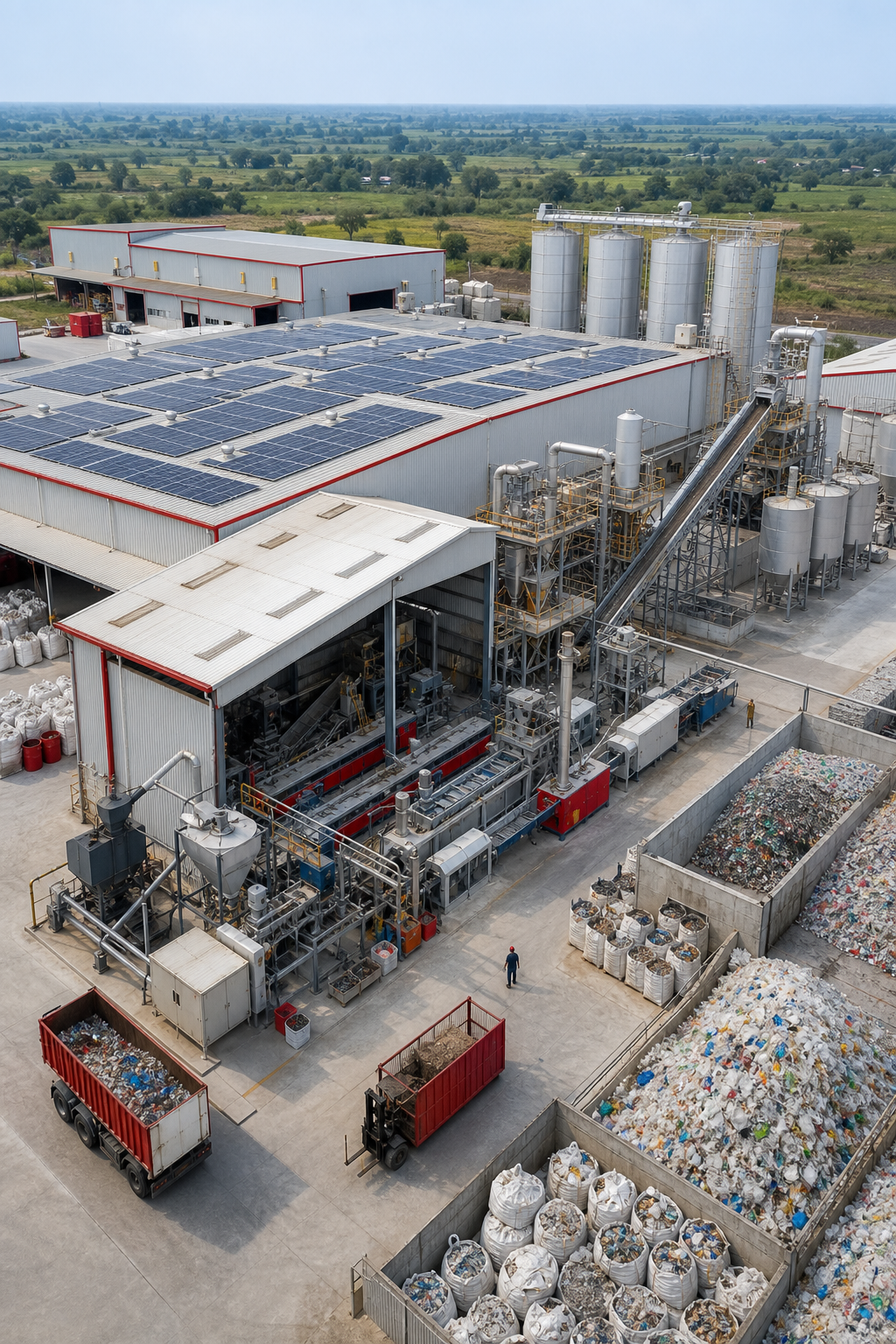
3. Operating Expenses (OPEX): Energy, Labor, and Maintenance
OPEX shows up month after month. Energy is usually the top line item , melting plastic can draw 300, 600 kW per extruder, depending on throughput. The EPA’s analysis confirms that each kilogram of recycled plastic saves about 1.5 kWh compared with virgin resin production, so a well‑tuned line can keep the electric bill manageable.
Labor costs cover operators, technicians, and supervisors. A typical shift in Gujarat needs three operators and one maintenance tech, which translates to roughly ₹1.2 lakh per day. In higher‑cost markets like the UAE, you might see double that figure.
Maintenance includes routine barrel cleaning, screw wear checks, and spare‑part replacement. Nitrided barrels last up to 30 % longer than standard steel, which shrinks the spare‑part budget.
Running costs also hide in consumables , cleaning chemicals, filter media, and wear liners. Budget about ₹5 lakh per year for a 500 kg/hr line.
4. Financing Options and Return on Investment (ROI) Calculations
Most owners fund the plant with a mix of equity and debt. Direct payment is clean but ties up cash. Leasing spreads the cost over 3, 5 years and often includes maintenance, which eases cash‑flow pressure.
Bank loans are another path. The U.S. Small Business Administration offers loan guarantees that many Indian banks mirror, allowing you to borrow up to ₹5 crore with competitive rates. SBA guidelines detail the eligibility criteria and repayment schedules.
Some regional governments run subsidy schemes for green tech. Gujarat’s Industrial Development Corporation, for instance, can cover up to 20 % of equipment cost for projects that meet emissions targets.
ROI hinges on feedstock price, product price, and plant uptime. A 500 kg/hr PET line that processes 4 000 tons per year can break even in 3, 4 years if you sell granules at ₹80 per kg and keep downtime under 5 %.
When you’re ready to size your financing, Plastivo Extrusions’ mother‑baby twin‑extruder system offers a modular package that fits both new builds and upgrades, simplifying the loan application with a clear bill of materials.
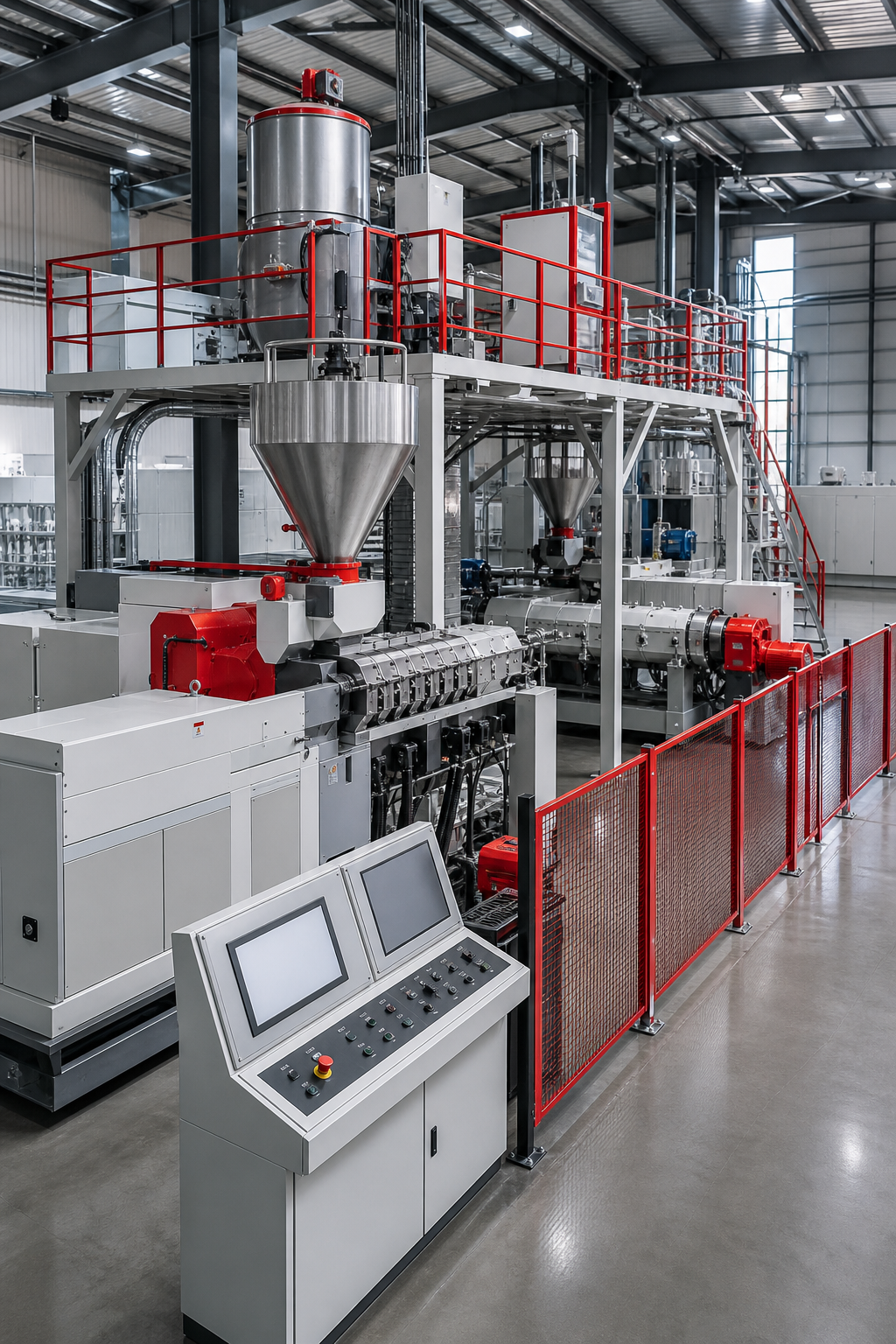
5. Cost‑Reduction Strategies: Automation, Nitrided Barrels, and Energy Recovery
Automation trims labor bills. A programmable logic controller can run the wash‑dry‑extrude cycle without manual intervention, cutting operator hours by up to 30 %.
Nitrided barrels are a game‑changer for wear resistance. Plastivo Extrusions’ nitrided barrels hold up to 30 % longer than conventional steel, meaning you replace them less often and keep the line humming.
Energy recovery loops capture heat from the melt zone and feed it back into the dryer, shaving off 10, 15 % of electricity use. Pair that with variable‑frequency drives on motors, and you see a noticeable dip in the utility bill.
Finally, keep an eye on feedstock quality. Cleaner input reduces wash cycles, which directly lowers water and chemical consumption.
FAQ
What is the average total cost to start a small plastic recycling plant?
The total cost typically ranges from ₹3 crore to ₹6 crore for a 500 kg/hr line, covering equipment, building, and initial working capital.
How long does it take to see a return on investment?
Most plants reach break‑even in 3‑4 years if they maintain at least 85 % uptime and secure a steady supply of feedstock.
Can I use used machinery to lower CAPEX?
Yes, refurbished machines cost less and are available faster, but you may face limited options in size and technology.
What financing options are available in India?
Options include bank loans, leasing, vendor‑offered financing, and state subsidies that can cover a portion of equipment costs.
How does a nitrided barrel improve profitability?
A nitrided barrel resists wear, extending service life by 30 % and cutting replacement and downtime costs.
Is there a government grant for recycling projects?
Yes, several Indian states offer grants for eco‑friendly projects; eligibility usually depends on projected emissions reductions and job creation.
Ready to launch your plant?Start the conversation with Plastivo Extrusions today and get a free feasibility review.
Take the next step: contact us through the website, request a quote, and let our engineers map out a cost‑effective solution for your specific waste stream.