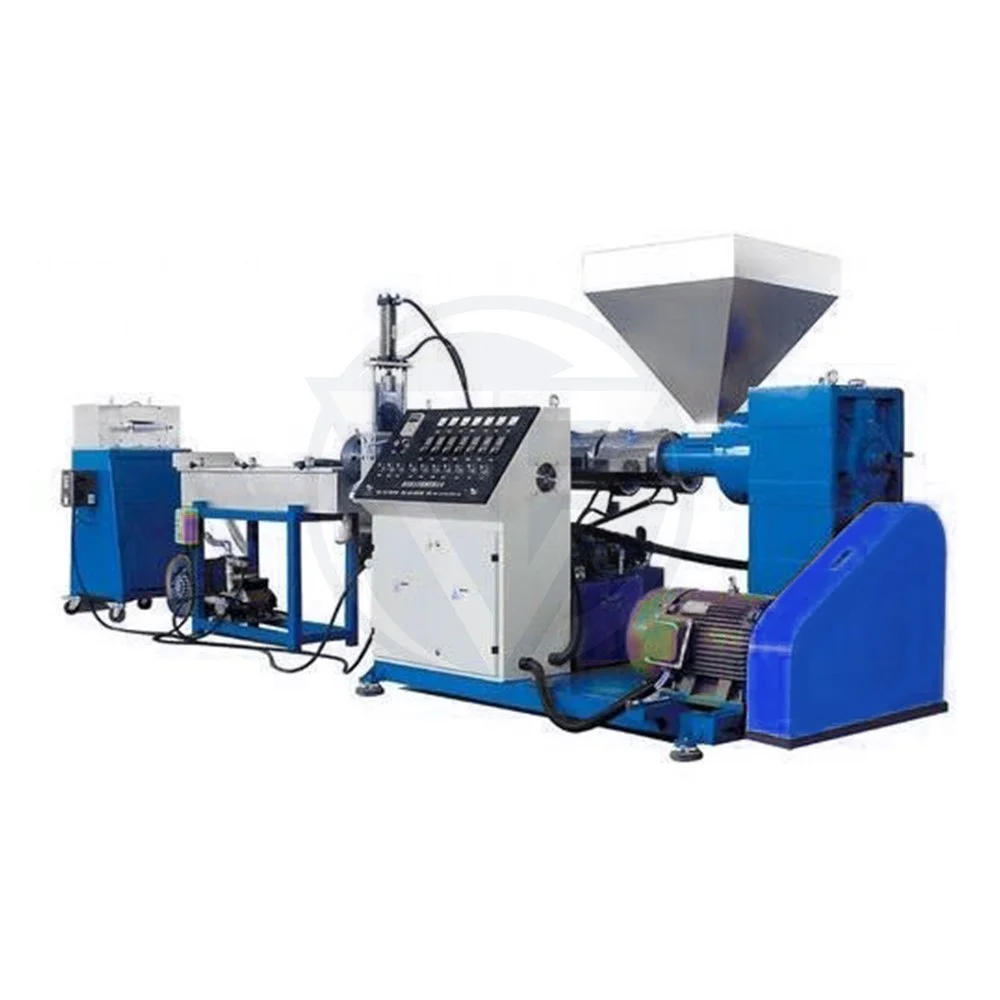
Why Every Workshop Needs a Good Plastic Recycling Machine?
If you’ve ever stepped onto the floor of a plastics plant, the hum of motors, the smell of resin, people adjusting settings on the fly, you know it’s an environment that values machines that behave predictably. Among all that gear, a Plastic Recycling Machine isn’t flashy, but it’s one of the unsung heroes of the operation. When you see a line running with gear from Plastivo Extrusions, you notice this isn’t throwaway equipment; it’s built to make messy scraps behave.
In real life, plants don’t run on perfect pellets straight from a bag. They run on what comes off the production line, leftovers, trimmings, rejects, mixed bits from different processes. Instead of letting all that end up as waste, a Plastic Recycling Machine turns it into something useful again, and that makes all the difference for both cost and workflow.
Raw Reality: What Recycling Actually Looks Like
Most people imagine recycling as this clean, neat process. In reality, it’s not. You’ve got a pile of film scraps here, rigid offcuts there, maybe a mix of PVC bits from one line and HDPE chunks from another. If you don’t deal with that properly, it clogs up feed hoppers, causes jams at the extruder, or pollutes your virgin feedstock with inconsistent material.
A proper PVC Recycling Machine steps in here. Instead of letting those leftovers sit or get tossed out, you feed them into your recycling setup. The machine shreds, melts, and reprocesses the plastic back into usable pellets or granules that your extrusion lines or molding machines can handle. And when operators know the machine they’re working with is dependable, they relax just enough to focus on quality rather than firefighting every hour.
Why Plant Managers Care About Recycling Machines?
For someone managing a plant, every minute of downtime matters. Every batch of material that goes to waste is money lost. A good Plastic Recycling Machine doesn’t just cut down on scrap; it changes how the whole workflow feels. You’re not constantly dealing with overflow bins, you don’t have operators clearing jams every few hours, and you’re not buying virgin resin at the same rate because you’re feeding usable recycled material back into the line.
These machines aren’t just cost-cutters. They give control back to the people running the line. When scraps can be recycled effectively, it smooths out the whole production, lowers material costs, and gives you more predictability down the road.
The Difference Between PVC and Other Recycling
Not all plastics behave the same way. PVC, for example, has a narrower processing window. It can degrade if it gets too hot, and that means a PVC Recycling Machine needs to be tuned more precisely than machines handling more forgiving resins. The heat profile, cooling strategy, and screw design all affect how PVC can be recycled without degrading.
This is where real-world knowledge shines. Operators who have run these machines for years can tell you that getting PVC right means paying attention to subtle cues, temperature swings that aren’t visible on the gauge but feel different, pressure shifts that make you check the feed, and knowing exactly when to slow down a line to save material instead of losing it.
When you see a Plastivo Extrusions PVC recycling setup in action, there’s a kind of quiet confidence on the floor. People trust the machine not to surprise them, and that’s huge in a business where surprises usually mean waste and extra costs.
How Operators Actually Use Recycling Machines?
If you watch someone comfortable with one of these machines, it’s almost like watching a cook at a busy kitchen station. They adjust heat here, tweak the feed rate there, watch how the pellets come out, and make small changes without fanfare. It’s all about feel and experience; machines that are predictable let operators bring their skill to the table instead of constantly reacting to issues.
Materials get sorted first, metal fragments and oversized bits are pulled out, so they don’t drag down the recycler. Then the sorted scraps go through shredding and extrusion stages. A dependable machine handles variations in scrap size better and gives a consistent pellet size after processing. That consistency matters when you’re feeding these pellets back into another machine, whether it’s an extruder or an injection molder. If you’re sorting through options or need clarity on the right setup for your plant, contact us, and we’ll help you figure it out without the sales talk.
Real Challenges on the Floor
No machine is perfect, and recycling is messy by nature. Moisture, contamination, mixed resins, all of it can make processing tricky. Operators know that if the scrap isn’t prepped right, the recycling machine will start choking and the output won’t be consistent.
Experienced teams develop habits: controlling moisture levels, carefully sorting scraps, adjusting speeds based on material behavior, and reading subtle machine sounds to anticipate issues. That’s part of why a reliable Plastic Recycling Machine makes the whole team feel more comfortable, fewer surprises mean fewer fire drills, and more consistent output.
What Happens When Recycling Goes Right?
When a recycling setup is dialed in, you start noticing the difference everywhere. Material costs go down because you’re feeding usable recycled pellets back into your process. Production lines stop stalling because hoppers aren’t full of irregular scraps. Operators don’t find themselves constantly clearing blockages.
It’s easy to overlook tools that quietly make reality easier, but ask any operator who’s had four machines and then one reliable unit, and they’ll tell you it’s like night and day. It’s not flash, it’s not glamorous, but it’s steady and dependable. That’s worth its weight in resin.
When Recycling Becomes Part of Your Workflow?
Once recycling becomes routine, it changes how you think about material handling. Instead of seeing film scraps or odd bits of rigid plastic as a nuisance, operators start seeing them as opportunities. Clean, consistent pellets from your recycling setup feed right back into production lines.
That’s where having a dependable Plastic Recycling Machine Manufacturer pays off. Machines that behave predictably let operators focus on quality and speed without constantly wrestling with equipment. A recycler that jams every batch doesn’t help anyone, but one that produces consistent pellets with minimal fuss becomes part of the workflow.
The Human Element Still Matters
No matter how good the machine is, human experience plays a big role. Machines give you data, heat zones, and screw speeds, but operators interpret that data, feel changes, remember how a batch behaved yesterday, and tweak accordingly. Garbage in, garbage out. That’s not a joke in this business; inconsistent scrap without proper sorting and handling really does screw up even the best machines.
When operators trust their machines, they can spend less time putting out fires and more time fine-tuning production, pushing quality a little higher each day. That’s the real advantage of predictable recycling setups: they work with human skill, not against it.
A Final Word Without the Gloss
Neither recycling nor production is a neat, straight line. It’s messy. It’s full of little adjustments, tiny mistakes that get corrected, and subtle cues that only experience teaches you to see. A Plastic Recycling Machine from a manufacturer who understands these realities, like the setups you see from Plastivo Extrusions, doesn’t need to be glamorized.
It just needs to work. Consistently. Predictably. Day in, day out. And when that happens, you feel it in less waste, fewer stoppages, better use of material, and a smoother overall workflow. These machines aren’t showpieces; they’re tools that make the difference between a plant that constantly reacts and one that runs with quiet confidence.
More Products We Handle
- Extruder Screw and Barrel — parts that keep extrusion lines running smoothly
- Plastic Granules Machine — produces pellets from recycled or raw material
- HDPE Pipe Making Machine — shapes materials into reliable pipe products
- Mother Baby Plastic Recycling Machine — handles mixed scrap with twin extruders
- Screw and Barrel Manufacturer support — replacement parts and reliability
These aren’t just extras; in a plant that takes material handling seriously, they’re the gear that makes recycling and production feel like a coordinated effort instead of a constant struggle. To see how mixed scrap turns into usable material on a real shop floor, read our blog Why a Mother Baby Plastic Recycling Machine Makes a Real Difference?

At Plastivo Extrusions, we specialize in designing and manufacturing high-performance plastic extrusion, recycling, and pipe-making machines. With a strong commitment to innovation, quality, and customer satisfaction
Pages
Contact
- +919898241416
- sales@plastivoextrusion.com
- GST No.-24AAVHA8297E1ZU
Links
