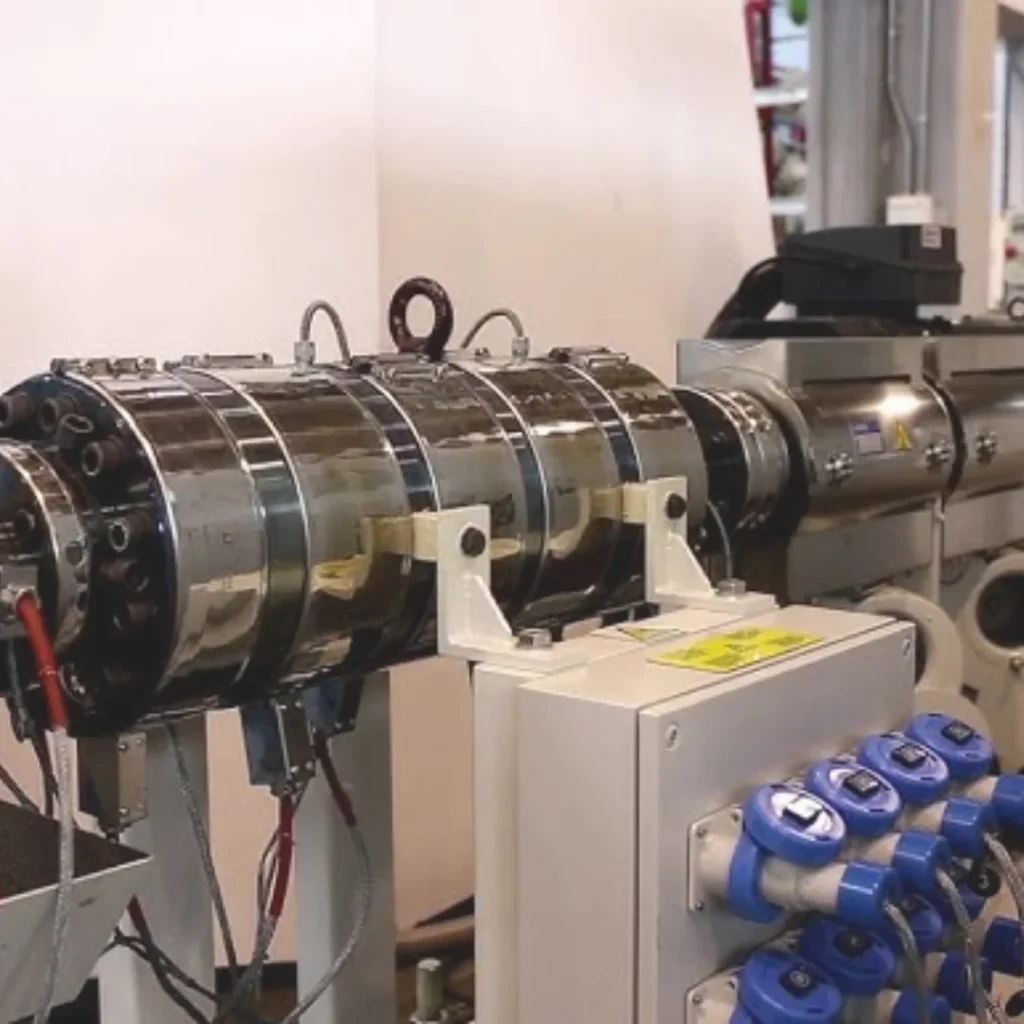
The Real Deal About HDPE and PVC Pipe Making Machines
There’s something about walking into a plastics plant midway through a run that just feels alive. You hear the steady hum of motors, see dust and scraps underfoot, and watch operators make tiny adjustments based on instinct rather than instruction. At the center of a lot of that action is the HDPE Pipe Making Machine, and not far behind is the PVC Pipe Making Machine. These aren’t shiny gadgets for show; these are tools people rely on every day. When you see a line that came from Plastivo Extrusions, you notice that real thought has gone into how these machines behave long after the sales pitch ends.
Pipes might seem simple: round tubes that carry water, cables, or gas. But if you’ve ever had to actually make them, you know it’s not as straightforward as it sounds. The machines involved have to deal with raw resin, heat, pressure, and timing in ways that only really make sense once you’ve spent a few weeks listening to them run.
What Makes an HDPE Pipe Making Machine Tick?
An HDPE Pipe Making Machine isn’t just a motor and a screw. It’s a collection of parts that need to work together in harmony, so the plastic melts right, pushes through the die without over‑shearing, and comes out looking smooth and consistent. With HDPE, heat history matters, too hot and the material degrades, too cold and you get weak pipes that look okay but fail down the line. Operators who’ve been around these machines a while will tell you they “feel” the process. When the melt pressure is stable, and the die doesn’t chatter, it’s a good day. When the melt pressure spikes or the pipe walls get uneven, it’s time to watch the feed and fine‑tune temperatures or screw speed. What’s wild is how much subtle variation exists between batches. Even two sacks of resin from the same supplier can behave differently. That’s where experience and a solid machine from a partner like Plastivo Extrusions make life easier. Quality components, thoughtful design, and predictable control zones all combine to give operators room to breathe instead of constantly troubleshooting.PVC Pipe Making Machine: A Different Challenge
Switch over to a PVC Pipe Making Machine, and suddenly you’re in another world, same goal, different quirks. PVC doesn’t melt like HDPE. It softens and stabilizes in a narrower, more precise window of heat. Too much and it off‑gasses, too little and it’s gummy and won’t shape right. PVC pipe lines often use vacuum calibration systems to get the diameter just right. You’ll see operators watching little gauges and adjusting water flow to make sure the pipe holds its form as it cools. This is not a “set it and forget it” setup. It’s constant tuning, watching how the material behaves, and getting ahead of issues before they become scrap piles. The people running these lines aren’t flipping switches; they’re looking at patterns, listening for strange sounds, and responding in real time. That’s where the human element still scores big against anything fully automated. Have questions about which machine fits your production needs? Feel free to contact us and our team and we will guide you.Why Do These Machines Matter in the Real World?
Take a moment and think about all the ways pipes are used in everyday life. Water supply, sewage, irrigation, cable conduits, almost everything touches the pipe. A good HDPE Pipe Making Machine or PVC Pipe Making Machine doesn’t just make a product. It makes something that’s trusted to keep systems running, water flowing, and infrastructure in place. Tiny inconsistencies that don’t show up in a quick glance can mean massive headaches later, leaks, weak spots, and dimensional issues that mean fittings don’t line up. That’s why quality matters here, not just in theory but in how the plant runs day after day. A plant that has steady production with minimal surprises is a place where operators don’t dread the start of a shift. They know the machines behave predictably and react logically when conditions change.Everyday Challenges on the Line
You don’t need a manual to understand that pipes come out differently depending on feed quality, screw condition, temperature control, and even humidity in the room. Operators end up adjusting things on the fly. It’s not dramatic, but it’s constant. Material that’s a little too moist might cause bubbles. Resin that’s slightly off specification might need a slower screw speed to avoid overheating. In extreme heat outside the plant, cooling systems have to work overtime to keep shape and dimensional control. An experienced operator will tweak settings based on feel. Newer folks might lean on charts and guides, but after a few weeks, they start recognizing responses before they show up on gauges. Machines from Plastivo Extrusions get built with that in mind, predictable, logical responses that match how people actually work rather than how someone thinks they should work on paper.What Happens When Machines Behave — or Don’t?
There are those shifts where everything flows. The die stays calm, the pipe comes out round and consistent, and temperatures barely budge. Those days make it clear why investing in good equipment matters. They also highlight what happens when something isn’t tuned right, uneven walls, off‑center pipes, or frequent stops to clear jams. Operators don’t hate machines that are tough to dial in; they hate machines that fight them. A well‑made HDPE Pipe Making Machine feels like a partner. It listens to the material, and the controls behave in ways that make sense. If the temperature rises too fast, the operator knows where to look. If pressure fluctuates, the response is predictable. That’s confidence.A Lot Depends on the Details
It’s funny how often people overlook small things, the exact profile of the screw, the spacing of the heaters, and how fast the cooling bath runs. These aren’t glamorous parts, but they make a huge difference. And when something’s off, it’s not dramatic. It’s subtle, the kind of change you notice after a few hours of running. That’s why machine design really matters. Not just for big, obvious specs, but for the little bits that operators live with every shift. Good control panels, intuitive feeds, logic that matches how humans think, these are the things that separate “good enough” from “runs all week with one minor check each day.”Tools That Help Keep Things Running
Nobody likes firefighting a plant. Better to have tools that prevent issues than constantly reacting. That counts for how you set up feeders, how you monitor melt pressure, and how you watch the cooling process. A PVC Pipe Making Machine might need tighter control over heat zones. An HDPE Pipe Making Machine might need careful calibration of screw speed and cooling flow. Operators become sensitive to behavior over time. They hear a pattern in the hum of a motor or see a tiny shift in pressure and know instantly whether it means a quick tweak or a stop‑the‑line moment. Machines that respond in predictable, logical ways let them do that.Why Do People Still Matter?
You hear talk about automation taking over, but in pipe production, people still make the calls. Machines can give you data, but humans interpret it. Machines can respond to settings, but operators decide what those settings should be based on how the material behaves. Whether it’s HDPE or PVC, that human experience matters. A machine might handle the basics, but operators know material never behaves exactly the same batch to batch. That’s why practical, predictable machines from Plastivo Extrusions matter. They’re designed for operators who know what to expect and want reliable patterns instead of surprises.More Products We Handle
- Pelletizer Machine Plastic helps turn scrap into reusable pellets that feed back into production
- Plastic Recycling Granulator Machine for handling mixed waste and converting it into useful feedstock
- Mother Baby Plastic Recycling Machine is designed for heavier recycling work without compromising output quality
- Plastic Recycling Machine that helps you reclaim scrap and reduce raw material costs
- Screw Barrel Supplier support for the parts that make extrusion lines behave well
Wrapping Up in Plain Words
If you’re in the business of making pipes, you know it’s not glamorous, it’s precise, it’s repetitive, and it rewards predictability. A good HDPE Pipe Making Machine or PVC Pipe Making Machine isn’t about a slick brochure or a shiny case. It’s about how it runs on day 100, 200, or 500. It’s about less guesswork and more confidence. Less firefighting and more smooth runs. Less wasted material and less random downtime. That’s what a good machine does: it gets out of your way so you can make a good pipe. And in a world where so much depends on pipes working right, whether water, waste, cables, or irrigation, that matters more than people outside the plant ever realize. If you’re curious how pellet quality quietly shapes pipe consistency, take a look at our blog – Why Plastic Granules Machines Matter More Than You’d Think?
At Plastivo Extrusions, we specialize in designing and manufacturing high-performance plastic extrusion, recycling, and pipe-making machines. With a strong commitment to innovation, quality, and customer satisfaction
Pages
Contact
- +919898241416
- sales@plastivoextrusion.com
- GST No.-24AAVHA8297E1ZU
Links
