From Plastic Waste to Profitable Granules: How the Plastic Granules Making Process Works
Plastic waste is everywhere. Streets, warehouses, scrap yards, small towns, big cities. For some people, it’s just a waste. For others, it’s raw material waiting to be converted into money. That’s the shift happening across India right now. Recycling is no longer just about cleaning the environment. It’s proper business.
At Plastivo Extrusions, we see this change happening closely. New recycling units are coming up. Existing manufacturers are expanding capacity. Demand for recycled plastic granules is increasing across industries. And at the centre of this entire system sits one important setup — the plastic granules making machine.
The concept is simple.
Collect plastic waste.
Process it correctly.
Convert it into reusable granules.
Sell it back into the manufacturing cycle.
But what happens between waste and granules decides whether your business runs smoothly or struggles every month.
Step One: Collection and Sorting
Everything begins with raw material.
Plastic waste comes from different sources:
- Post-consumer waste
- Industrial scrap
- Rejected moulded parts
- Packaging films and containers
It never comes neatly separated. Different polymers get mixed. Different colours get mixed. Even moisture levels vary.
Sorting is not optional. HDPE must be separated from PP. LDPE should not be mixed blindly. Each polymer has a different melting behaviour. If you ignore this step, output quality suffers immediately. Many new recyclers underestimate sorting. Later, they realise it is the foundation.
Step Two: Washing and Cleaning
Plastic scrap is rarely clean.
Oil stains. Mud. Labels. Dust. Food residue.
If washing is weak, your final granules will show problems like:
- Black specks
- Unpleasant smell
- Weak mechanical strength
- Poor finish
And once quality drops, buyers negotiate hard. So proper washing lines matter. Hot washing tanks. Friction washers. Drying systems. It may look like a simple step, but it controls the quality of the final granules more than people think.
Step Three: Shredding
Large plastic pieces cannot directly go into the extrusion machine.
They must be reduced into smaller flakes first.
Uniform shredding ensures:
- Smooth feeding into the extruder
- Consistent melting
- Stable output
If shredding is uneven, feeding becomes inconsistent. That creates pressure fluctuations inside the barrel. Which again affects output quality. One weak stage affects the next. Everything is connected.
Step Four: Melting and Extrusion
This is where the real transformation happens.
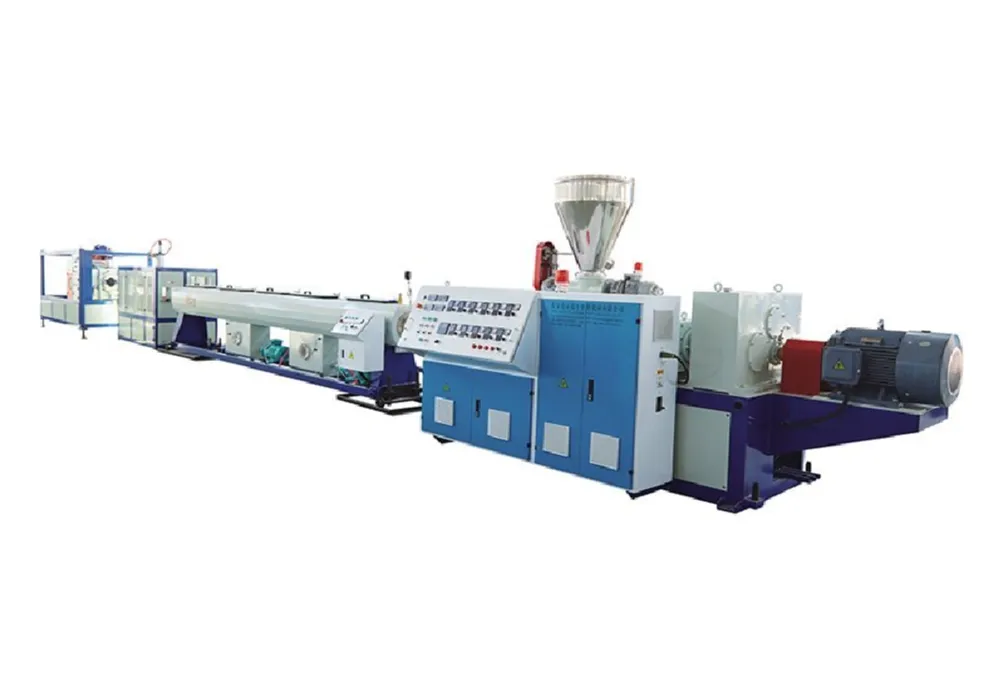
The shredded flakes enter the plastic granules making machine. Inside the barrel, a rotating screw pushes the material forward while heaters gradually melt it.
Temperature control is critical. Too low — incomplete melting. Too high — material degradation. Recycled plastic is never perfectly uniform. That’s why the screw design and heating control must handle variation without constant breakdown.
The molten plastic passes through a screen changer. This removes remaining impurities. Clean melt moves forward to the die head. Stable pressure. Clean filtration. Controlled temperature. That combination decides granule quality.
Step Five: Pelletizing
Once the molten plastic exits the die, it needs to be converted into small, uniform pellets.
Common methods include:
- Strand pelletizing
- Water bath cooling and cutting
- Underwater pelletizing systems
Uniform size matters. Manufacturers want granules that feed smoothly into injection moulding or extrusion machines. Irregular pellets cause feeding disturbance. Consistency keeps customers happy. And happy customers mean repeat orders.
Where Profit Actually Comes From?
Many people think profit comes only from selling granules. But the real profit lies in efficiency.
Your margins improve when:
- Power consumption stays controlled
- Output per hour is high
- Downtime is minimal
- Material wastage is reduced
- Granule quality remains consistent
If your machine stops frequently, production losses eat into profits. If quality fluctuates, buyers reduce rates. That is why selecting the right plastic granules making machine is not just about capacity. It is about long-term stability and predictable output.
In India, demand for recycled granules is growing in sectors like pipes, packaging, furniture, automotive components and household products. If quality is reliable, market demand is not the issue.
Single Stage vs Double Stage Systems
This is one common confusion.
Single-stage systems are suitable for relatively clean and uniform scrap, with lower investment. Easier maintenance.
Double-stage systems are preferred when dealing with:
- Printed or heavily contaminated materials
- Mixed plastic scrap
- Lower-grade input
- Higher impurity levels
Yes, the initial investment is higher. But the melt quality improves significantly. The right choice depends on your raw material, not just your budget.
Bigger Than Recycling
This industry is no longer small-scale scrap handling.
Entrepreneurs are entering this field seriously. Industrial clusters are expanding recycling operations. Policies are encouraging circular economy practices. Plastic waste is becoming a valuable resource.
If you are planning to set up or upgrade your recycling plant and want clarity on the right machine configuration, contact us to discuss your production goals and material type.
When you understand both the process and the machinery, decision-making becomes easier.
Final Thought
Turning plastic waste into profitable granules is not a shortcut plan. It requires planning. The right equipment. Proper sorting. Controlled processing. But once everything is aligned, the cycle becomes steady.
Waste comes in.
Granules go out.
Manufacturers buy.
Revenue builds.
If you’re exploring machinery upgrades, you may also find it useful to read How Advanced Screw Barrel Technology is Changing Plastic Recycling and Extrusion in India? to understand how performance improvements directly impact output quality and consistency.
That’s how plastic waste turns into opportunity. Not by luck. By process.

At Plastivo Extrusions, we specialize in designing and manufacturing high-performance plastic extrusion, recycling, and pipe-making machines. With a strong commitment to innovation, quality, and customer satisfaction
Pages
Contact
- +919898241416
- sales@plastivoextrusion.com
- GST No.-24AAVHA8297E1ZU
Links
